
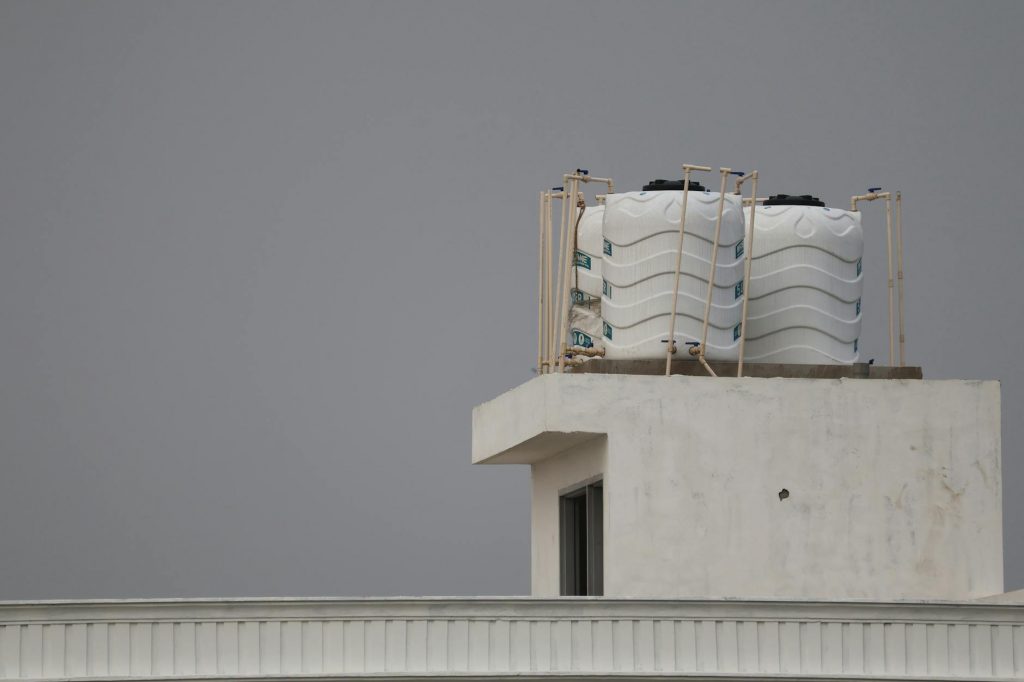
Your taps might run dry today, and there’s a reason for it. Water authorities are carrying out routine tank cleaning operations across the city, which means reduced or interrupted water supply for several hours. It’s one of those necessary maintenance jobs that nobody really thinks about until their buckets stay empty.
Why the cleaning matters
Water storage tanks accumulate sediment, algae, and other deposits over time. If left unchecked, this buildup affects water quality and can damage the pipes that deliver water to your homes. The cleaning process involves draining tanks, scrubbing them thoroughly, and then refilling them—which is why supply gets disrupted.
Most Indian cities schedule these cleanups during lean-demand hours, usually in the morning or late evening. But even with careful planning, some areas inevitably face longer gaps than others. The actual duration depends on tank size, how much cleaning is needed, and how quickly they can be refilled.
How to prepare and what to expect
Here’s the practical bit: fill your buckets and tanks the night before if you haven’t already. Drinking water, cooking, and bathing—plan accordingly for a few hours without regular supply. Some areas might see water return by afternoon, while others could wait longer.
If you’re in a multi-story building with overhead tanks, you might actually be okay since gravity keeps some water flowing even after the main supply stops. But if your building relies on pumps, you’ll definitely notice the difference.
The real challenge hits for families without storage capacity. Senior citizens, people with medical needs, and households with young children can struggle during these shutdowns. Many cities do announce maintenance schedules beforehand, so checking your local water board’s website or app before today could save you the hassle.
Why this happens regularly
Tank maintenance isn’t optional—it’s essential for public health. Contaminated water can spread diseases, and dirty tanks reduce the effectiveness of water treatment. This is why authorities insist on doing it despite the inconvenience.
The frequency of these cleanings varies by city and tank capacity. Some municipalities do it monthly, others quarterly. It’s unglamorous work that doesn’t make headlines usually, but it directly affects the water that reaches your home.
The takeaway? Water disruptions are frustrating, but they’re part of keeping your supply clean and safe. Rather than cursing the timing, stocking up on water beforehand makes sense. And if your area faces water issues regularly, raising concerns with your local water authority about better scheduling could help push for improvements.
Stay hydrated today, and check with neighbors about supply timings in your area.