
Bhopal residents are laying out their wish list for the city’s upcoming metro project, and it’s refreshingly practical. People aren’t asking for luxury—they want a system that actually gets them where they need to go, fast and without burning a hole in their pocket.
The Real Pain Points
Right now, getting around Bhopal means battling traffic, crowded buses, or expensive autos. Workers tell us they spend 90 minutes commuting what should be a 20-minute journey. Students are late to college. Office-goers are exhausted before they even sit down at their desks.
The metro promises to change all that. But residents are clear: it only works if it actually connects the places where people live and work.
What Residents Are Demanding
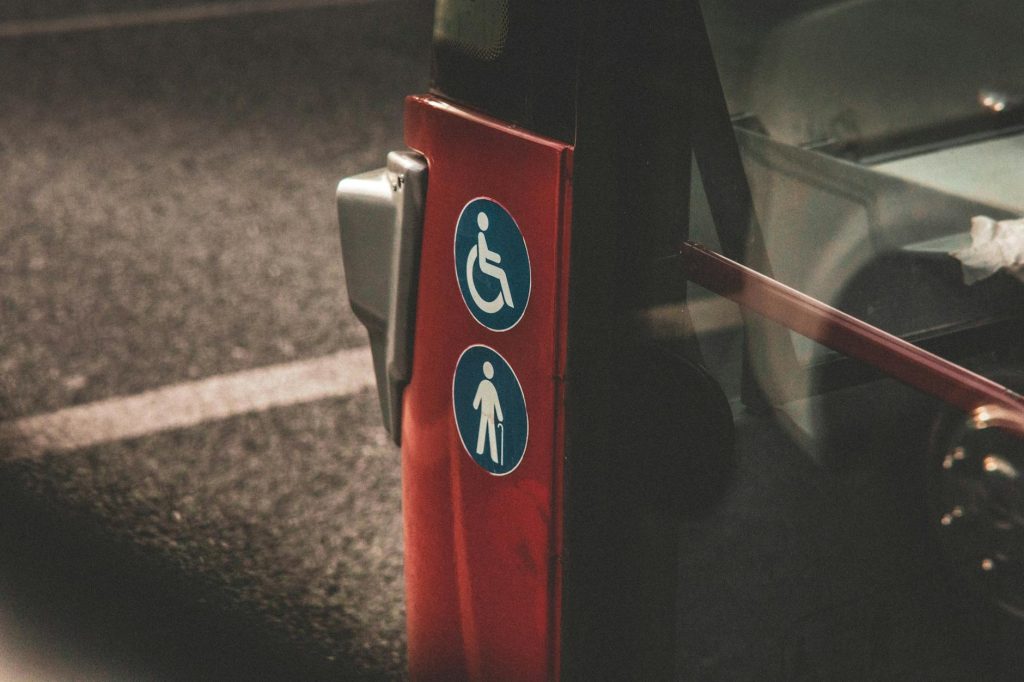
First up—accessibility. The metro stations need to be within walking distance of residential areas, not stuck on the outskirts where nobody can easily reach them. People with disabilities want elevators and proper ramps, not just token designs that look good on paper.
Second, connectivity matters. A metro is only useful if it links to bus routes, auto stands, and bike-sharing systems. Right now, many people are worried the metro will exist in isolation, creating more problems than it solves.
Third—and this is big—ticket prices. Residents want fares they can actually afford. Premium pricing kills the whole point of public transport. If a metro ride costs more than an auto, people will stick with autos.
Safety is another big concern, especially for women commuters. Proper lighting, CCTV cameras, and trained staff aren’t extras—they’re basics that residents expect from day one.
Lastly, frequency and reliability. People won’t use a metro if trains come once every 15 minutes during rush hour. The system needs to run every 3-5 minutes to actually reduce traffic congestion.
Why This Matters Now
Bhopal’s population is growing fast. Without proper public transport, the city will choke on its own traffic within the next five years. A well-designed metro isn’t a luxury project—it’s survival infrastructure for a growing city.
The good news? Residents are engaged. They’re not waiting for surprises. They’re telling planners exactly what they need, and that feedback is shaping how the project moves forward.
The construction phase will disrupt daily life. Roads will close. Businesses will suffer short-term pain. But if the metro delivers on these expectations—accessibility, affordability, reliability, and safety—it could genuinely transform how people move around their city.
The real test comes in execution. Bhopal residents are ready to board, but only if the train actually goes where they need it to.