
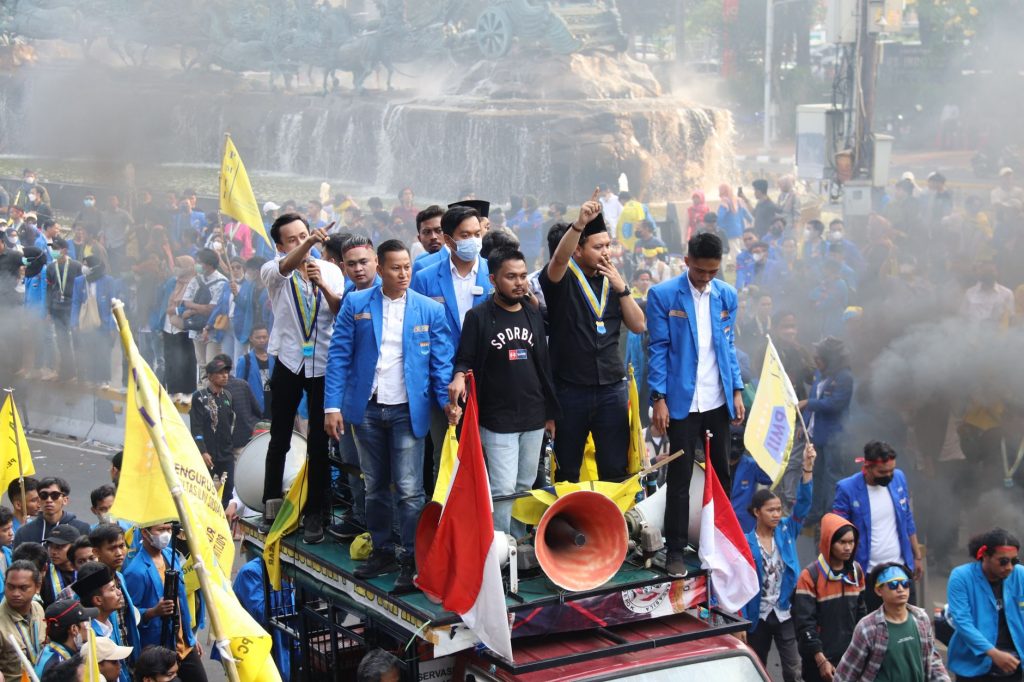
Are Indian students facing a perfect storm of challenges that’s driving them to the streets?
India is seeing a surge in student protests across the country. Students from various universities and colleges are taking to the streets to voice their grievances, and the reasons are many. But what’s driving this wave of protests?
The Perfect Storm of Challenges
The recent spate of student protests is a culmination of various long-standing issues that have been simmering for a while. Students are facing a perfect storm of challenges, including rising fees, inadequate infrastructure, and a lack of job opportunities.
Many students feel that they are being burdened with excessive fees, which is making higher education unaffordable for many. Moreover, the quality of education is a concern, with many students complaining about inadequate infrastructure, outdated textbooks, and a lack of skilled teachers.
The government’s decision to introduce the National Education Policy (NEP) has also been a point of contention. While the policy aims to improve the quality of education, many students feel that it will lead to a further commercialization of education, making it even more unaffordable.
Another major concern is the lack of job opportunities for students after they graduate. The unemployment rate among Indian youth is a staggering 18%, and many students feel that they are not equipped with the skills required to get a job in the competitive job market.
Protests Across the Country
Students from various universities and colleges have been protesting across the country. From Delhi to Mumbai, Chennai to Kolkata, students have been coming out on the streets to voice their grievances.
The protests have been largely peaceful, with students resorting to sit-ins, rallies, and hunger strikes to draw attention to their demands. However, in some cases, the protests have turned violent, with clashes between students and security personnel reported.
The government has been trying to address the concerns of students, but so far, it seems that the protests are only getting bigger and more intense. The government has promised to implement various measures to improve the quality of education and provide more job opportunities, but the students are skeptical.
What’s Next?
As the protests continue, the government will have to take concrete steps to address the concerns of students. The government needs to listen to the students and understand their grievances. It needs to provide a roadmap for improving the quality of education and creating more job opportunities.
The government also needs to address the issue of rising fees and ensure that education is made affordable for all. This can be done by introducing policies that cap fees and provide scholarships to deserving students.
Ultimately, the onus is on the government to provide a solution to the problems faced by students. The government needs to work with students, teachers, and other stakeholders to create a better education system that meets the needs of all.
The protests may be intense, but they are a reflection of the deeper issues that need to be addressed. The government needs to take a long-term view and work towards creating a better future for all students.