
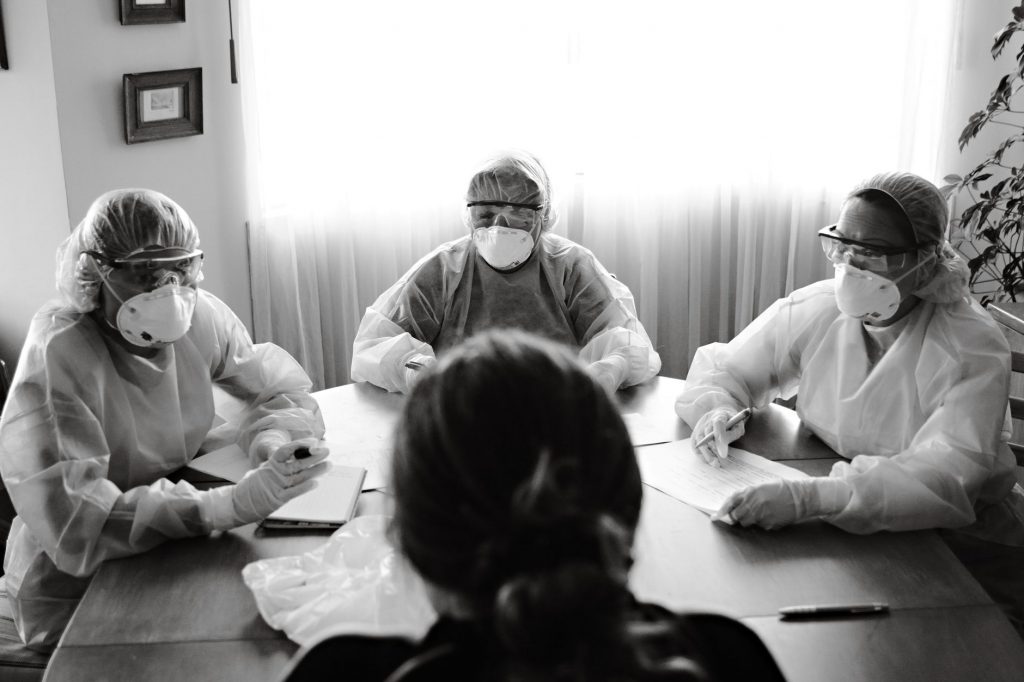
The Director-General of the World Health Organization, Tedros Adhanom Ghebreyesus, has sounded a global health alarm, pinpointing key emergencies worldwide. His call for collective action to tackle pressing healthcare crises was the main takeaway from the WHO’s annual assembly in Geneva, Switzerland.
Ahead of the assembly, Dr. Tedros had identified several pressing health concerns, including the ongoing COVID-19 pandemic, rising antimicrobial resistance, and the growing threat of measles.
During his address to the assembly, Dr. Tedros underscored the urgent need for global cooperation to combat these challenges. He emphasized that the WHO’s role is to facilitate international collaboration and provide scientific support to countries grappling with these health crises.
Health Crises Multiply
The COVID-19 pandemic has had a far-reaching impact on global health, economies, and societies. Despite the availability of vaccines, many countries continue to struggle with high infection rates and deaths. The WHO has warned of the emergence of new variants and the risk of a potential resurgence in cases.
Another pressing concern is the rise of antimicrobial resistance, which poses a significant threat to public health. The WHO has estimated that if left unchecked, antimicrobial resistance could lead to 10 million deaths annually by 2050.
The measles outbreak in several countries, including India, has also raised alarm bells. The WHO has reported a significant decline in measles vaccination rates, leading to a surge in cases and deaths.
Collective Action Required
The WHO’s Director-General has stressed the need for collective action to address these health emergencies. He called on governments, international organizations, and civil society to work together to strengthen healthcare systems, improve access to healthcare services, and enhance global preparedness for future health crises.
Dr. Tedros has also emphasized the importance of investing in healthcare infrastructure, particularly in low- and middle-income countries. He noted that the WHO’s resources are limited, and the organization relies heavily on contributions from member states and partners to carry out its work.
Next Steps
The WHO’s annual assembly has set the stage for a renewed commitment to global health cooperation. The organization will continue to work with member states and partners to develop strategies to combat the identified health emergencies.
The WHO’s Director-General has promised to maintain a strong focus on the ground, working closely with countries to address their specific health needs. He has also emphasized the importance of transparency, accountability, and equity in global health decision-making.
The world is watching as global health leaders come together to address these pressing challenges. The WHO’s annual assembly has served as a wake-up call, highlighting the need for collective action to protect the health and well-being of people everywhere.
In the coming months, the WHO will continue to monitor the situation and provide scientific guidance to countries. The organization will also work to strengthen its partnerships and resource mobilization efforts to support global health initiatives.