
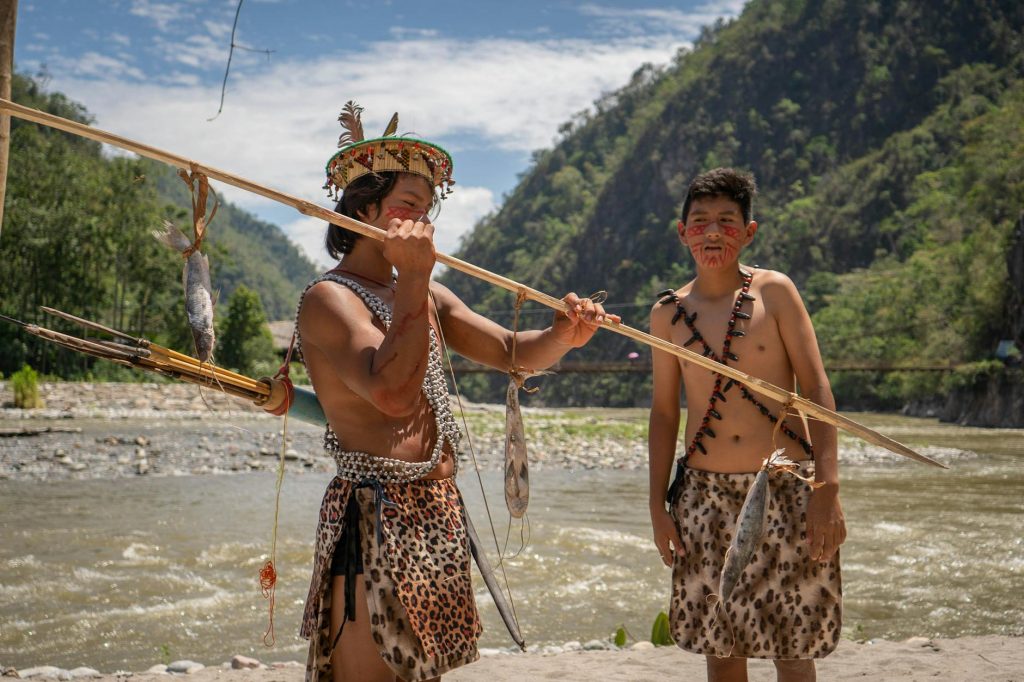
A Danish filmmaker has dusted off old footage from a 1996 expedition into Brazil’s Amazon rainforest and turned it into a new documentary that’s raising hard questions about how Western audiences consume stories about Indigenous people.
Nathan Grossman, who made the acclaimed climate film “I Am Greta,” has created “Amazomania” using over 60 hours of archival video shot during that expedition decades ago. The film premiered at Copenhagen’s international documentary festival and is sparking conversations about what responsibility filmmakers have when showing isolated communities to Western viewers.
What’s the story behind these old videos?
Back in 1996, the original expedition was celebrated for capturing rare footage of an Indigenous community living in isolation in the Amazon. At that time, people in the West were fascinated by these “untouched” communities, and the images became iconic.
But Grossman isn’t just rehashing old footage for nostalgia. Instead, he’s asking viewers to think critically about why Westerners are so interested in Indigenous peoples and their way of life. The film examines the “thirst for adventure” that drives outsiders to seek out these communities.
Why does this matter for Indian audiences?
This conversation is relevant to Indians because similar dynamics play out here too. We’ve seen documentaries, travel shows, and content creators descend on tribal communities and remote villages, sometimes treating people as exotic subjects rather than equals.
Grossman’s approach is refreshingly different. He’s not just showing Indigenous people as objects of fascination. He’s asking viewers—including people in India—to examine our own hunger for “exotic” content and whether we’re respecting the dignity of the communities we’re watching.
The filmmaker believes audiences should “look critically” at what they’re seeing. That means asking questions like: Who benefits from this story? Whose perspective are we missing? Are we respecting these communities or just consuming them?
This matters because it sets a standard for how entertainment and documentary content should handle sensitive subjects. It’s a reminder that storytelling about real communities carries responsibility.
The film represents a shift in how global cinema is thinking about representation and ethics. It’s not enough anymore to simply show beautiful or unusual places and people—creators need to be honest about the power dynamics at play.
As “Amazomania” continues its journey through international film festivals, it’s likely to spark more conversations about adventure tourism, media ethics, and how we engage with stories from around the world. For Indian viewers interested in documentaries and global cinema, this represents an important moment in how we’re reckoning with these issues.