
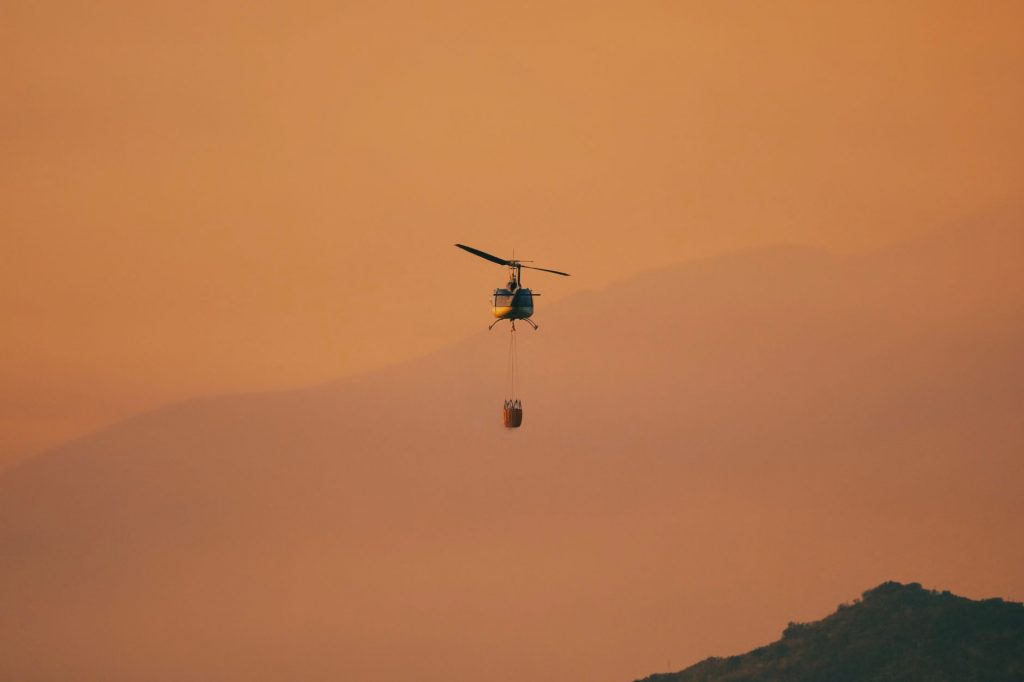
A severe wildfire smoke situation in Western Canada has caused significant disruptions to air travel, with numerous flights cancelled at the Kelowna International Airport.
The airport, which serves the city of Kelowna in British Columbia, has been shrouded in thick smoke for several days, making it difficult for pilots to navigate safely.
Why Does Wildfire Smoke Pose a Threat to Aviation?
Wildfire smoke contains a mixture of gases and particles that can reduce visibility and impair pilots’ ability to see runway lights and other visual cues. Prolonged exposure to smoke can also lead to disorientation, making it challenging for pilots to make safe decisions.
Additionally, the smoke can damage aircraft engines and pose a risk to passengers’ health.
Given these risks, air traffic controllers and airlines have been forced to cancel flights as a precautionary measure.
Impact of Flight Cancellations on Travelers
The cancellations have left many travelers stranded and seeking alternative arrangements. Some have expressed frustration and disappointment on social media, while others are taking the situation in stride and adapting their travel plans.
For those who had planned to fly into Kelowna, the cancellations have caused significant inconvenience, with some having to rebook flights or explore other transportation options.
However, airlines and airport authorities are working together to minimize the impact of the cancellations and ensure that passengers are kept informed about flight status and alternative arrangements.
What’s Next for Travelers and Airlines?
As the wildfire situation continues to evolve, travelers are advised to check with their airlines for the latest information on flight status and any updates on cancellations or rescheduling.
Airlines are also working to rebook passengers on alternative flights or provide refunds for cancelled tickets.
Meanwhile, authorities are urging residents to take necessary precautions to minimize the impact of the smoke on air travel.
The situation is being closely monitored, and further updates will be provided as more information becomes available.