
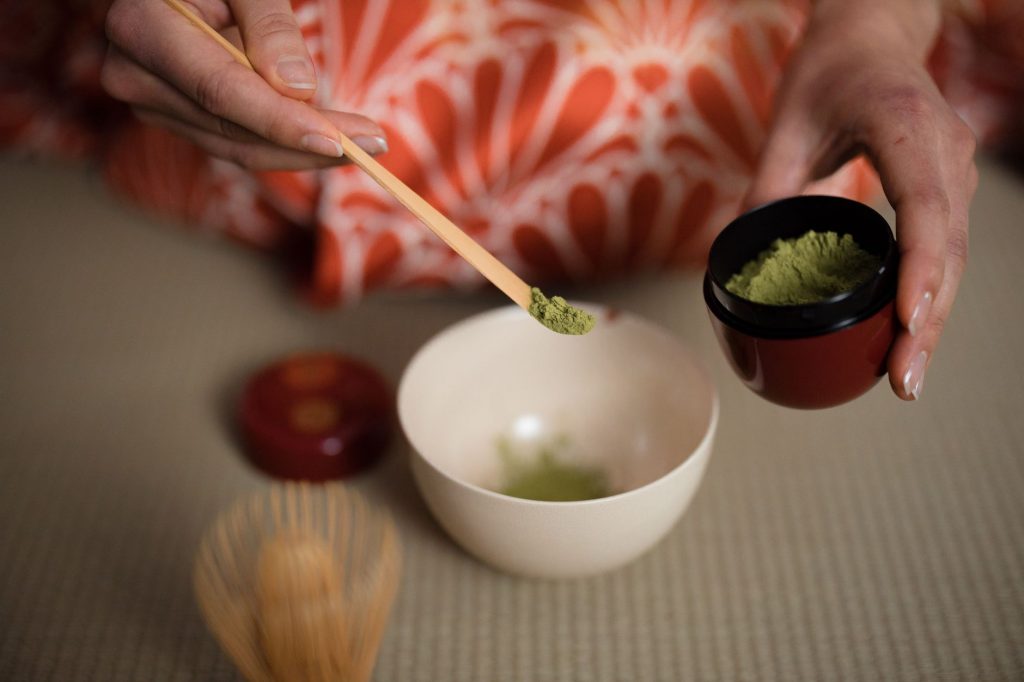
As tea enthusiasts in India, have you ever wondered about the world’s most expensive green tea, Matcha? Assam has just become the first state in India to commercially produce this luxury tea, and it’s being sold for a whopping Rs 3,000 a kilogram.
In a recent development, a tea estate in Assam has successfully cultivated and harvested Matcha tea, a type of green tea that originated in Japan. This rare and expensive tea is made by grinding the young tea leaves into a fine powder, which is then used to make traditional Japanese tea ceremonies.
What is Matcha Tea?
Matcha tea is often described as a ‘superfood’ due to its high nutritional value and potential health benefits. It’s rich in antioxidants, contains high levels of vitamins A and C, and has been known to boost energy levels and improve mental focus.
The process of producing Matcha tea is extremely labor-intensive and time-consuming. Tea leaves are grown in the shade to increase the production of chlorophyll, which gives Matcha its bright green color. The leaves are then hand-picked, de-stemmed, and de-veined before being ground into a fine powder using a stone mill.
Will Indian Tea Culture Embrace Matcha?
Assam’s Matcha tea production is expected to revolutionize the Indian tea industry. With its unique flavor profile and high nutritional value, Matcha tea is likely to appeal to health-conscious tea enthusiasts in India.
Tea experts believe that Matcha tea will not only cater to the growing demand for luxury teas in India but also provide a unique selling proposition for Indian tea producers. The success of Assam’s Matcha tea production will also pave the way for other Indian tea estates to explore the cultivation of this exotic tea variety.
However, the high price point of Matcha tea may be a constraint for some consumers. At Rs 3,000 a kilogram, Matcha tea is out of reach for many tea lovers in India. Nevertheless, the potential benefits of Matcha tea, combined with its unique flavor profile, may make it a worthwhile investment for those looking to try something new and exotic.
In conclusion, Assam’s Matcha tea production marks a significant milestone in the Indian tea industry. As the first state in India to commercially produce this luxury tea, Assam is set to revolutionize the way Indians drink tea. While the high price point may be a challenge, the potential benefits of Matcha tea make it an exciting development for tea enthusiasts in India.
The success of Assam’s Matcha tea production will also have a ripple effect on the Indian tea industry as a whole. It will encourage other tea estates to explore the cultivation of this exotic tea variety, leading to a wider range of tea options for Indian consumers. As the demand for luxury teas continues to grow in India, Assam’s Matcha tea production is poised to capture a significant share of the market.
So, will Assam’s Matcha tea revolutionize Indian tea culture? Only time will tell, but one thing is certain – the Indian tea industry is on the cusp of a revolution, and Assam is leading the charge.