
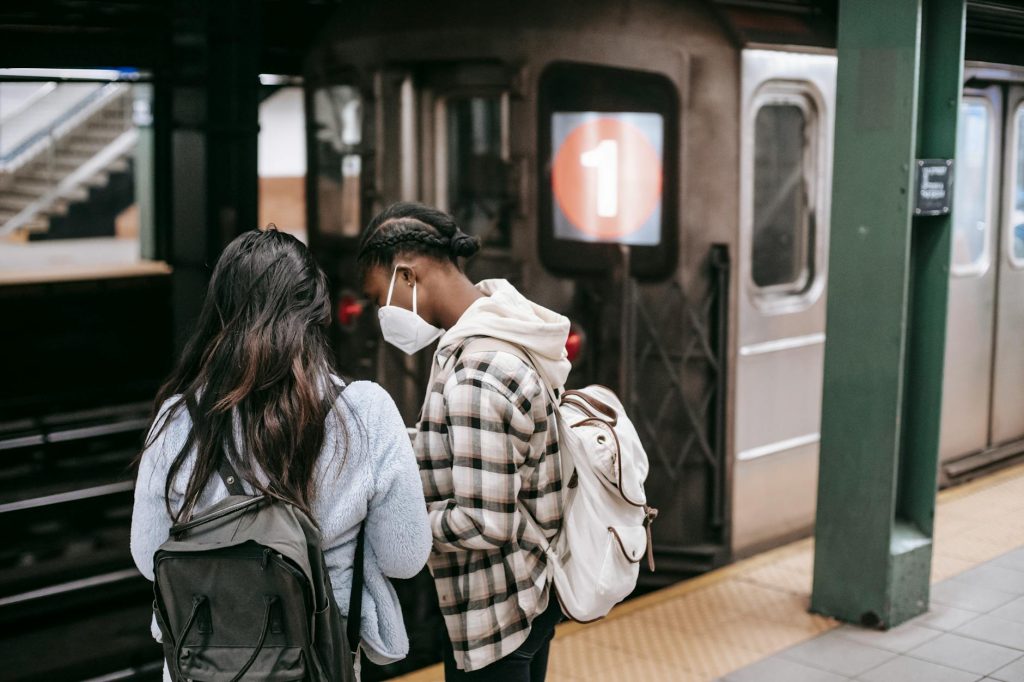
A disturbing incident near one of Bengaluru’s busy railway stations has once again brought the issue of women’s safety into sharp focus. A woman from Bihar, who was traveling through the city, was assaulted near K.R. Puram railway station — one of the main transit points in the city.
The incident highlights a problem that many Indian women face while traveling: vulnerability at major transport hubs during vulnerable hours. Railway stations, bus terminals, and airports see hundreds of thousands of people daily, but security gaps remain a concern in many places.
What happened and when
The woman, who had arrived at the station for her onward journey, was attacked in an area near the station premises. Local authorities have registered a case and begun investigating the matter. Police are working to identify and apprehend those responsible.
Such incidents are not uncommon at major railway stations across India. These spaces, while crowded during the day, can become risky during early morning or late evening hours when foot traffic reduces and visibility decreases.
Why this matters for travelers
India sees millions of women traveling alone for work, education, or family reasons every year. Many depend on trains and public transport because it’s affordable and widely available. But safety remains a persistent worry for them and their families.
Women travelers often take precautions — staying in groups, avoiding certain hours, keeping valuables hidden — but these are band-aid solutions to a larger problem. The real issue is whether our public spaces are genuinely safe or if we’re just managing risks.
Railway authorities and police departments in major cities have increased patrols and installed CCTV cameras in recent years. Many stations now have dedicated women’s helplines and complaint cells. Yet incidents continue to occur, suggesting more needs to be done.
Local residents and frequent travelers often know which areas feel unsafe, but this knowledge rarely translates into concrete improvements. Better lighting, more visible security personnel, and faster emergency response systems could make a real difference.
For someone traveling from a smaller city or state like Bihar to a metro like Bengaluru, the experience can be overwhelming and risky. Unfamiliar surroundings, crowded platforms, and occasional language barriers make women even more vulnerable.
The conversation around women’s safety at transport hubs needs to go beyond just condemning incidents. It requires investment in infrastructure, training for security staff, and creating an environment where travelers — especially women — feel genuinely protected rather than merely supervised.
As India’s cities grow and more women enter the workforce and pursue education away from home, making public transport safe isn’t optional — it’s essential for the country’s progress.