
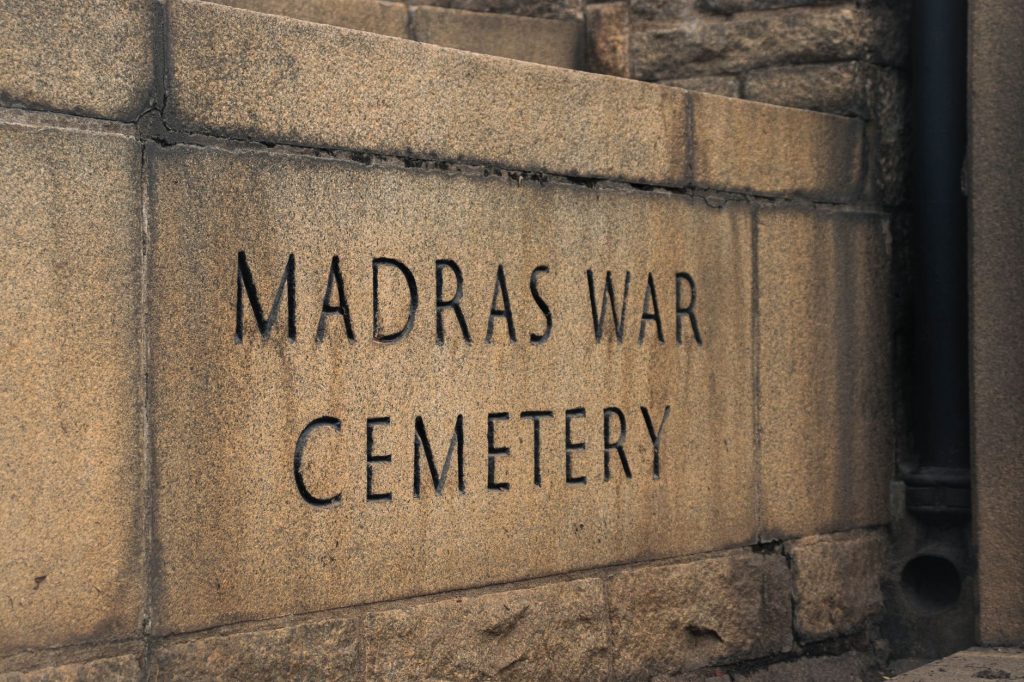
Imagine walking through the India Gate war memorial in New Delhi, paying your respects to the brave soldiers who fought for our country’s freedom. The memorial stands tall, a symbol of sacrifice and honor. Now, imagine someone deliberately damaging such a sacred site, causing outrage and distress to the nation. A similar incident has occurred in the United States, where a woman has been arrested for vandalizing a World War II memorial.
The incident has sparked widespread condemnation, with many calling for severe punishment for the perpetrator. The Department of Justice (DOJ) has announced that the woman is facing felony charges for her actions. The case has raised questions about the importance of preserving historical monuments and the consequences of vandalizing them.
Understanding the Incident
The World War II memorial in question is a national monument in the United States, dedicated to the 16 million Americans who served in the war. The memorial features 27 pillars, each representing a state or territory, and a freedom wall with 4,000 gold stars, honoring the lives lost during the war. The vandalism has been described as a senseless act of destruction, causing significant damage to the memorial.
The woman accused of the vandalism has been identified, and her actions have been widely condemned. The DOJ has stated that she will face felony charges, which could result in a significant prison sentence. The case has sparked a national debate about the importance of respecting historical monuments and the need for harsher punishments for those who vandalize them.
Expert Context
According to historians, the vandalism of historical monuments is a serious offense, not just because of the damage caused but also because of the disrespect shown to the people and events being honored. Dr. Mahesh Sharma, a historian from the University of Delhi, notes that ‘historical monuments are a window to our past, and vandalizing them is like erasing our history.’ He adds that ‘such acts of vandalism are a reflection of a broader societal problem, where people have lost respect for their heritage and cultural values.’
In India, we have seen similar incidents of vandalism, where historical monuments have been damaged or destroyed. The incident at the World War II memorial in the United States serves as a reminder of the importance of preserving our cultural heritage. As Dr. Sharma notes, ‘it is essential for us to learn from history and respect our monuments, not just as symbols of our past but also as a way to build a better future.’
What Happens Next
The woman accused of vandalizing the World War II memorial will face trial, and if convicted, she could face a significant prison sentence. The incident has sparked a national debate about the need for harsher punishments for those who vandalize historical monuments. In India, we can learn from this incident and take steps to protect our own historical monuments from vandalism.
The government has a crucial role to play in preserving our cultural heritage. By increasing security measures and implementing harsher punishments for vandalism, we can ensure that our historical monuments are protected for future generations. As Dr. Sharma notes, ‘it is our collective responsibility to respect and preserve our heritage, and we must take all necessary steps to prevent such incidents from occurring in the future.’
In conclusion, the vandalism of the World War II memorial in the United States is a sobering reminder of the importance of preserving our cultural heritage. As Indians, we can learn from this incident and take steps to protect our own historical monuments from vandalism. By respecting our heritage and cultural values, we can build a better future for ourselves and for generations to come.