
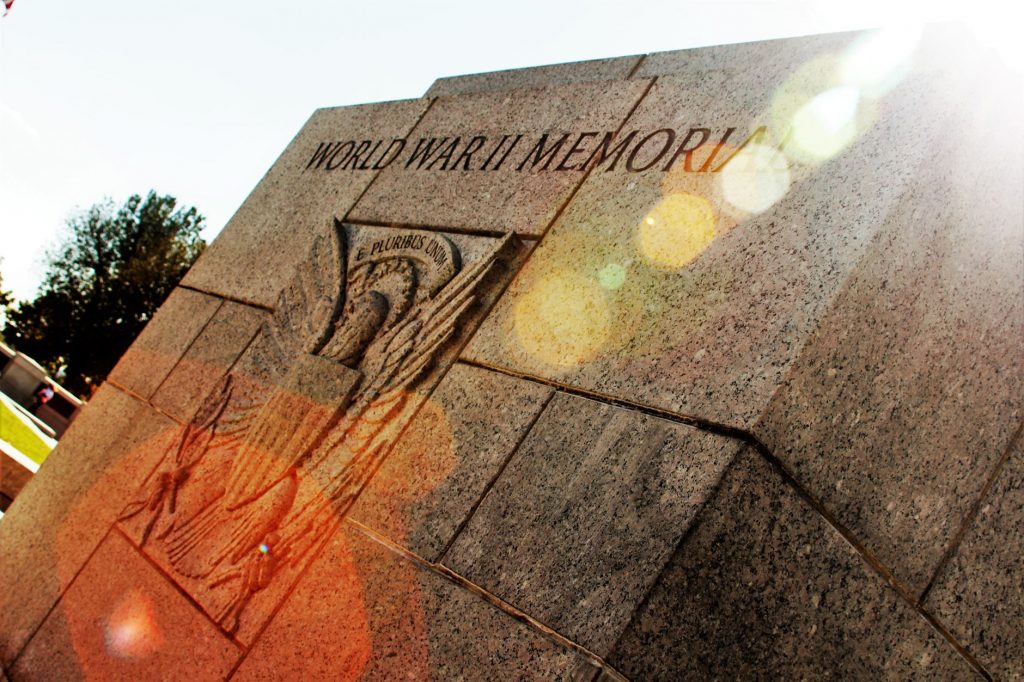
In a significant development for American heritage, authorities have apprehended an individual suspected of defacing the iconic World War II Memorial in Washington D.C. The arrest marks a crucial step in bringing the perpetrator to justice for an act that has deeply saddened many.
A Blot on National Remembrance
The vandalism, which saw parts of the memorial marred by graffiti, occurred recently, sparking widespread condemnation across the nation. This sacred site, dedicated to honouring the sacrifices of millions of Americans during World War II, holds immense historical and emotional significance. For many, it’s a powerful symbol of courage, unity, and the fight against tyranny. The desecration of such a revered monument is not just an act of disrespect to those who served, but also an affront to the very values the memorial represents.
Legal Ramifications and Community Outcry
The suspect is now facing serious felony charges, underscoring the gravity of the offense. In the United States, damaging national monuments, especially those with such profound historical weight, is treated with utmost seriousness by the legal system. The charges reflect the intent to deter future acts of vandalism and to ensure accountability for those who disrespect national symbols. The community’s reaction has been one of outrage and a strong desire for swift justice, with many emphasizing the importance of preserving such historical landmarks for future generations.
The Path Forward: Restoration and Vigilance
With the suspect in custody, the immediate focus shifts to the restoration of the memorial. Efforts are already underway to meticulously clean and repair the damaged sections, aiming to return the monument to its pristine condition as quickly as possible. Beyond the physical repairs, this incident also serves as a stark reminder of the ongoing need for vigilance and security at our national treasures. It is hoped that the legal proceedings will proceed swiftly and that the punishment will serve as a strong deterrent, reinforcing the sanctity of these important historical sites.