
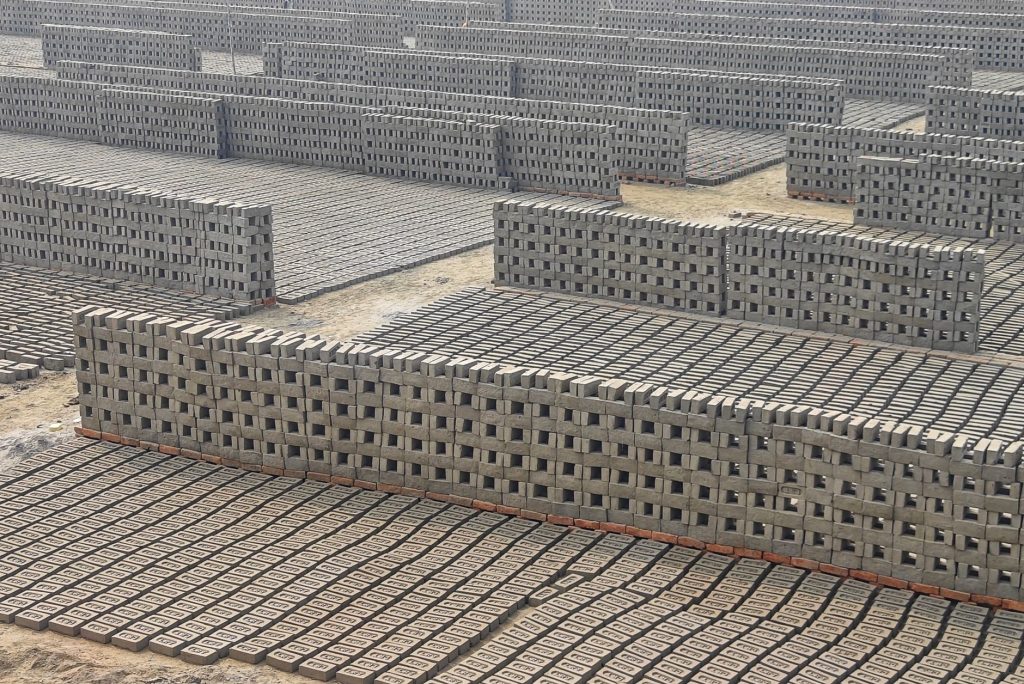
India’s ambitious ‘Make in India’ campaign has now completed a full 12 years, marking a significant milestone in the nation’s journey to become a global manufacturing hub. Launched with the aim of transforming India into a powerhouse for domestic production and attracting foreign investment, this initiative has been a cornerstone of the government’s economic strategy.
The core idea behind ‘Make in India’ is simple: to encourage companies, both Indian and international, to manufacture their goods right here in our country. This means creating jobs for our people, using our raw materials, and building a stronger industrial base. Over the past decade, the program has focused on various sectors, including defence, automotive, electronics, pharmaceuticals, and textiles, urging them to set up production facilities and contribute to the ‘Made in India’ brand.
What ‘Make in India’ Means for Us
Why is this important for everyday Indians? When more manufacturing happens in India, it directly translates into more employment opportunities for millions of young people across the country. It means better access to quality products made locally, potentially at more affordable prices. Furthermore, a robust manufacturing sector boosts our economy, increases our exports, and reduces our reliance on imports. This initiative has also spurred innovation and the adoption of new technologies, making Indian industries more competitive on the world stage.
The government has been working to simplify regulations, improve infrastructure, and offer incentives to businesses to set up and expand their manufacturing operations. While challenges remain, the ‘Make in India’ initiative has undeniably played a crucial role in shaping India’s industrial landscape, fostering a spirit of self-reliance and contributing to the nation’s economic growth story.
Looking Ahead: The Next Steps
As ‘Make in India’ enters its teenage years, the focus is expected to intensify on further streamlining processes, embracing advanced manufacturing technologies like AI and robotics, and ensuring sustainable growth. The government is also looking to tap into the potential of newer sectors and further integrate India into global supply chains. The success of ‘Make in India’ will ultimately be measured by its continued ability to create jobs, drive innovation, and solidify India’s position as a manufacturing powerhouse for years to come.