
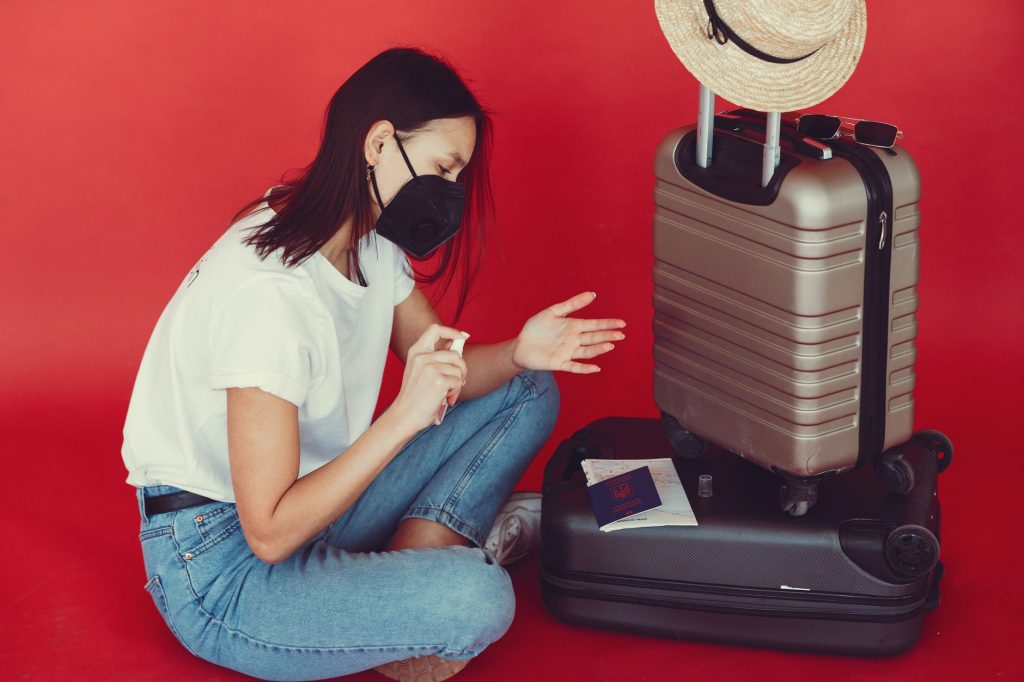
Imagine this: It’s 2030, and a new, unknown virus starts spreading like wildfire across the globe. Our big question today is, after the absolute chaos of COVID-19, are we actually any better prepared to handle it now? Sadly, the answer from global health experts is a bit of a mixed bag, leaning towards a worrying ‘not quite enough’.
It’s been six long years since the world first grappled with the coronavirus pandemic, a time that etched itself into our memories with lockdowns, masks, and a constant fear of the unknown. We saw firsthand how a tiny virus could bring the entire planet to a standstill. While we learned a lot – from vaccine development speed to the importance of hygiene – many of the crucial systems that failed us back then haven’t been fully fixed. Think about it: are our hospitals truly equipped for another massive surge? Is our supply chain for essential medical goods robust enough? The reality is, many of these vulnerabilities still exist.
The Gaps We Haven’t Bridged
One of the biggest takeaways from COVID-19 was the critical need for better global cooperation and early warning systems. We needed to spot new threats faster and share information openly. While there have been some efforts, like strengthening the World Health Organization (WHO), experts warn that the political will to truly create a united front against future pandemics is still shaky. Countries often tend to look inward during crises, and that’s a dangerous game when a virus doesn’t respect borders.
Another major concern is our preparedness for the ‘long tail’ of a pandemic. Beyond the initial outbreak, we struggled with the economic fallout, mental health crises, and the need for long-term public health strategies. Are we investing enough in research for a wider range of potential pathogens? Are our public health infrastructures strong enough to handle the sustained pressure, not just the initial shock? These are the tough questions that need honest answers, and frankly, the progress hasn’t been as rapid as it should be.
What This Means for India
For us in India, this is more than just a global headline. We experienced the pandemic’s impact firsthand, from the immense pressure on our healthcare system to the economic challenges faced by millions. The lessons learned during COVID-19 are invaluable, but they need to translate into concrete, sustained action. Are our local health facilities ready to scale up? Is our vaccine manufacturing capacity sufficient for not just our own needs but also to assist neighbours? Are our public health campaigns equipped to combat misinformation effectively in the face of the next crisis? The preparedness of our nation is paramount, and it requires continuous investment and strategic planning at every level, from village health workers to national policymakers.