
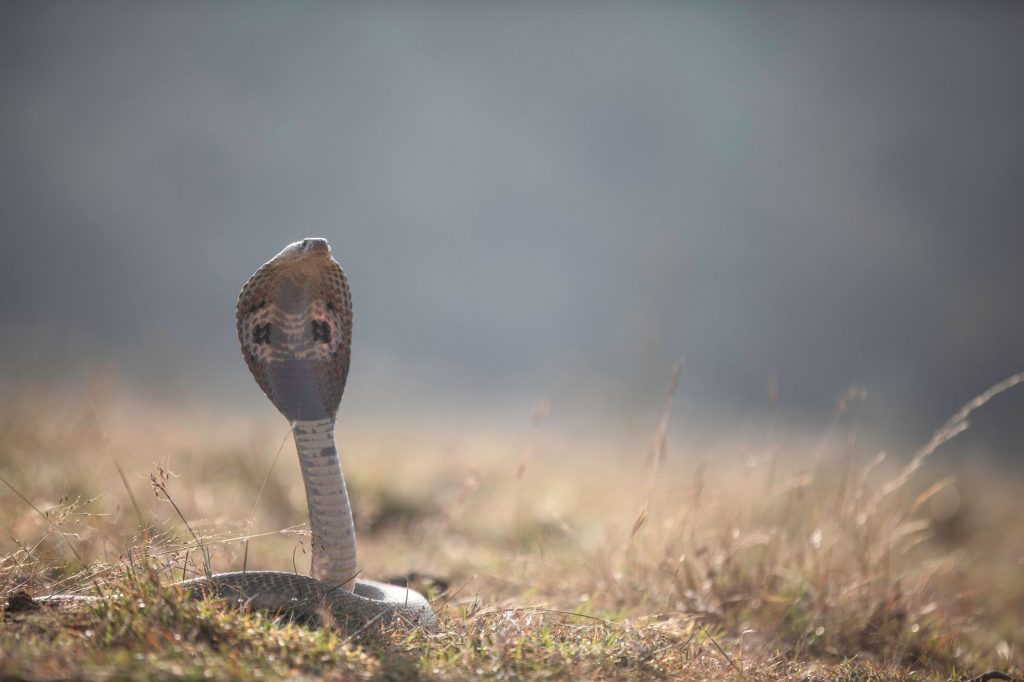
In a chilling development that has sent ripples through India’s scientific and public health communities, researchers have officially documented the first instances of human fatalities attributed to the Caspian cobra (Naja oxiana) within the country. Until now, this formidable snake was largely considered a geographical curiosity, not a direct threat to Indian lives, making these deaths a stark and concerning revelation.
A New Venomous Intruder?
The Caspian cobra, known for its potent neurotoxic venom, has historically been found in regions west of India, including Central Asia and parts of Iran. Its documented presence and, more alarmingly, its lethal impact on humans within Indian borders, suggests a potential shift in its distribution or increased human-snake encounters in unexpected areas. Scientists are now racing to understand how this species may have established itself or become a significant danger in regions where it wasn’t previously a recognized threat.
Implications for Public Health and Safety
This discovery raises critical questions about snakebite management protocols and public awareness campaigns across India. For decades, antivenom production and treatment strategies have been tailored to the ‘big four’ venomous snakes prevalent in the subcontinent. The emergence of a new, potentially deadly species like the Caspian cobra necessitates a re-evaluation of existing medical responses and a broader understanding of snakebite epidemiology. Local communities, particularly those in areas where the snake might be present, need to be educated about this new danger and informed on how to avoid encounters and what immediate steps to take if bitten.
The research underscores the dynamic nature of ecosystems and the potential for species migration due to climate change or other environmental factors. It highlights the urgent need for continued, robust scientific monitoring of wildlife and venomous snake populations across India. Further studies are crucial to map the exact distribution of the Caspian cobra, assess the potency of its venom relative to indigenous species, and develop targeted antivenoms if necessary. The implications are significant for rural populations, forest dwellers, and anyone living in proximity to natural habitats, demanding a proactive approach to safety and preparedness.