
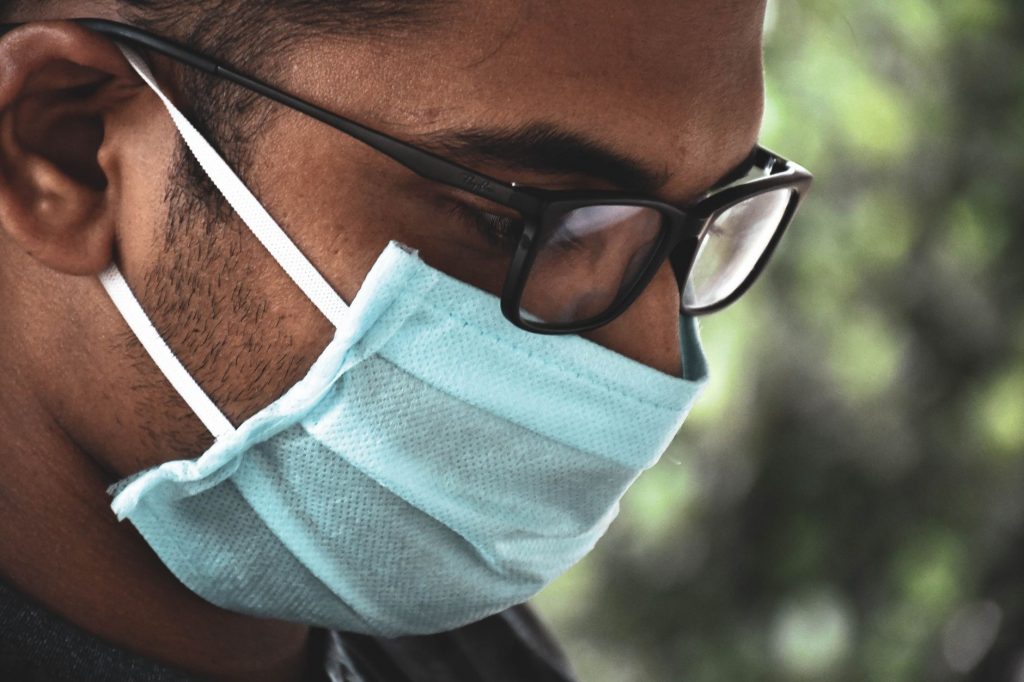
Six years after the world was brought to its knees by COVID-19, a critical question echoes across nations: are we truly prepared for the next global health crisis? The stark reality, as highlighted by recent analyses, is that while lessons have been learned, significant gaps in readiness persist, leaving us vulnerable.
Lessons Learned, Gaps Remain
The COVID-19 pandemic served as a brutal wake-up call, exposing the fragility of our global health systems and our collective response mechanisms. We witnessed firsthand the devastating impact of a novel virus – the strain on healthcare infrastructure, the disruption to economies, and the profound social and psychological toll. While the scientific community made unprecedented strides in vaccine development and understanding the virus, the initial response was often chaotic, marked by inconsistent policies, supply chain breakdowns, and a struggle to disseminate accurate information. This experience has undoubtedly fostered a greater appreciation for preparedness, but the crucial question is whether this awareness has translated into tangible, systemic changes that can withstand another such onslaught.
The Global Picture: A Mixed Bag
International bodies and public health experts are sounding the alarm, pointing to a varied landscape of preparedness. Some nations have invested heavily in surveillance systems, stockpiled essential medical supplies, and strengthened their public health workforces. Others, however, continue to grapple with underfunded health services, underdeveloped infrastructure, and a lack of robust emergency response plans. The equitable distribution of resources, a major challenge during COVID-19, remains a significant concern. Ensuring that developing nations have the capacity to detect, respond to, and recover from outbreaks is paramount, as a threat anywhere is a threat everywhere.
India’s Stance and Future Steps
For India, a nation of immense diversity and population density, the lessons from COVID-19 are particularly acute. Our experience with widespread lockdowns, the critical need for oxygen, and the subsequent vaccination drives have underscored the importance of a well-oiled public health machinery. Efforts are underway to bolster our domestic manufacturing capabilities for vaccines and pharmaceuticals, improve our disease surveillance networks, and train more healthcare professionals. However, sustained investment and a commitment to strengthening primary healthcare across all regions will be vital. Building resilience requires not just reacting to crises but proactively investing in preventative measures and robust infrastructure.
The urgency to prepare for the next pandemic cannot be overstated. It’s not a matter of if, but when, another novel pathogen will emerge. Our collective future hinges on our ability to translate the hard-won lessons of the past into concrete actions that safeguard public health and ensure a more resilient world.