
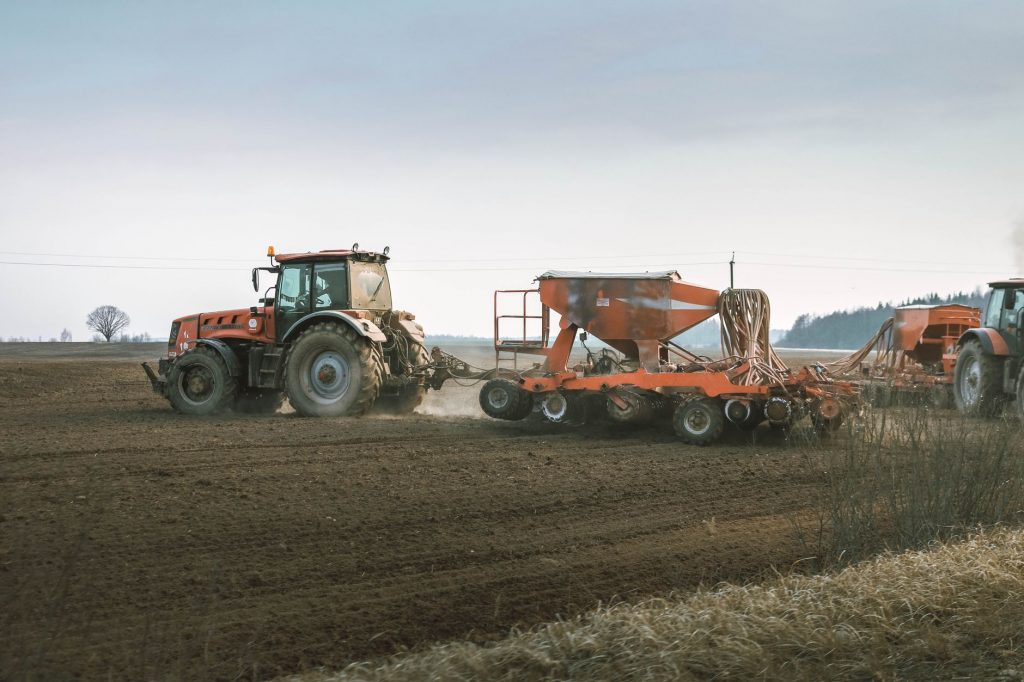
Imagine walking through a lush green farm in rural India, where farmers are busy tending to their crops. The sun is shining bright, and the air is filled with the sweet scent of fresh produce. However, beneath this serene landscape, lies a complex web of challenges that farmers face every day. From crop failure to water scarcity, the struggles are numerous. This is where agri-tech startups come in, aiming to revolutionize the agricultural sector with innovative solutions.
Recently, a senior official from NITI Aayog emphasized the need for agri-tech startups to move beyond basic problem-solving. According to the official, while these startups have made significant progress in addressing fundamental issues, it’s time for them to focus on more complex challenges. This could include developing cutting-edge technologies that enhance crop yields, improve water management, and promote sustainable farming practices.
The Current State of Agri-Tech in India
The agri-tech sector in India has witnessed tremendous growth in recent years. With the government’s support and investment from private players, numerous startups have emerged, offering a wide range of solutions. From farm-to-fork platforms to precision farming tools, these startups are transforming the way farmers work. However, despite this progress, there are still significant gaps that need to be addressed. Many farmers continue to rely on traditional methods, and the adoption of new technologies remains slow.
To bridge this gap, agri-tech startups must develop solutions that are tailored to the specific needs of Indian farmers. This could involve creating products that are affordable, user-friendly, and compatible with existing infrastructure. Moreover, these startups must also focus on building strong relationships with farmers, providing them with training and support to ensure the effective use of their products.
Expert Insights and Future Directions
According to experts, the future of agri-tech in India looks promising. With the increasing use of artificial intelligence, machine learning, and the Internet of Things (IoT), startups can develop more sophisticated solutions that address complex challenges. For instance, AI-powered systems can help farmers predict weather patterns, detect crop diseases, and optimize water usage. Similarly, IoT-based sensors can monitor soil health, temperature, and humidity, enabling farmers to make data-driven decisions.
Moreover, the government’s initiatives, such as the Digital Agriculture Mission, are expected to further boost the growth of the agri-tech sector. This mission aims to promote the use of digital technologies in agriculture, enhancing the efficiency and productivity of farming practices. As the sector continues to evolve, we can expect to see more innovative solutions emerging, transforming the lives of farmers and contributing to India’s food security.
Why This Matters
The development of agri-tech startups in India is crucial for the country’s economic growth and food security. By leveraging technology, these startups can help increase crop yields, reduce waste, and promote sustainable farming practices. This, in turn, can improve the livelihoods of farmers, enhance the quality of produce, and contribute to the nation’s overall well-being. As the sector moves forward, it’s essential for agri-tech startups to prioritize complex problem-solving, developing solutions that address the unique challenges faced by Indian farmers.
In conclusion, the agri-tech sector in India is poised for significant growth, with numerous startups emerging to address the complex challenges faced by farmers. As these startups move beyond basic problem-solving, we can expect to see more innovative solutions emerging, transforming the agricultural landscape of the country. With the government’s support and investment from private players, the future of agri-tech in India looks bright, holding tremendous potential for improving the lives of farmers and contributing to the nation’s food security.