
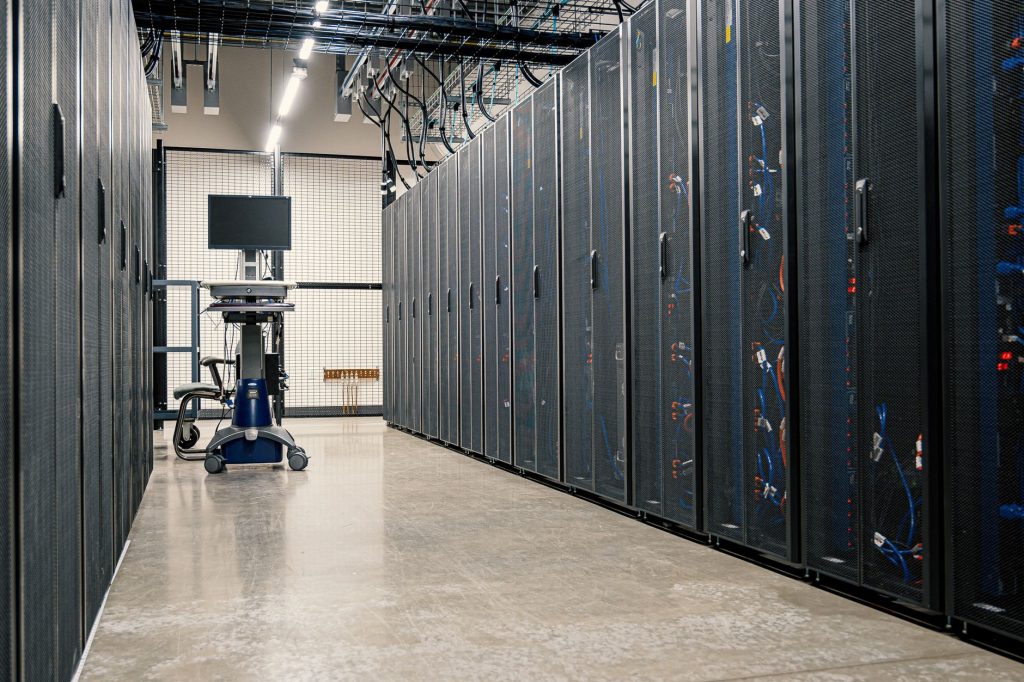
In a historic move, Amazon employees made a surprise appearance at a city council meeting, demanding that the council impose limits on the construction of data centers in their area.
This unprecedented move has sent shockwaves across the tech industry, with many hailing it as a significant shift in the way employees are engaging with the environmental and social impact of their companies.
Why It Matters
The demand for limits on data centers is not just about the environmental concerns; it’s also about the economic and social implications of these massive projects. Data centers are notorious for their high energy consumption, water usage, and e-waste generation, making them a significant contributor to greenhouse gas emissions.
Moreover, the construction of these data centers often leads to the displacement of local communities, as the land is acquired for the project, and the infrastructure is built to support the massive energy requirements. The employees’ demand for regulations is a clear indication that they are no longer willing to turn a blind eye to the negative consequences of their company’s actions.
The Bigger Picture
This move by Amazon employees is part of a larger trend of tech workers becoming more vocal about the social and environmental responsibility of their companies. In recent years, employees at companies like Google, Facebook, and Microsoft have spoken out against their companies’ involvement in projects that have negative consequences, such as facial recognition technology, climate change, and censorship.
The fact that Amazon employees have taken this step is significant, as it shows that even in a company known for its aggressive growth and expansion, there are still employees who are willing to speak truth to power and demand that their company takes responsibility for its actions.
What Happens Next
As the city council considers the employees’ demand, it’s likely that we will see a heated debate about the pros and cons of regulating data centers. On one hand, the tech industry will argue that regulations will stifle innovation and hinder economic growth. On the other hand, environmental activists and concerned citizens will argue that regulations are necessary to mitigate the negative consequences of these projects.
Ultimately, the outcome of this debate will have significant implications for the tech industry and the environment. If the city council decides to impose limits on data centers, it could set a precedent for other cities to follow, leading to a more sustainable and responsible approach to tech development. On the other hand, if the council decides not to regulate data centers, it could embolden the tech industry to continue its aggressive expansion, regardless of the environmental and social consequences.
As the world watches this unfold, one thing is clear: the tech industry can no longer ignore the concerns of its employees and the environment. The era of unchecked growth and expansion is over, and a new era of sustainability and responsibility has begun. The question is, will the tech industry rise to the challenge, or will it continue to prioritize profits over people and the planet?
In the coming weeks and months, we can expect to see more developments on this story, as the city council deliberates and the tech industry responds. One thing is certain, however: the demand for limits on data centers is just the beginning of a larger conversation about the role of tech in society and the environment. As Indians, we must pay close attention to this conversation, as it will have significant implications for our country’s economic and environmental future.
India, as a rapidly growing economy, is poised to become a major hub for tech development, and it’s essential that we learn from the experiences of other countries and take a responsible approach to tech development. By regulating data centers and promoting sustainable practices, we can ensure that the tech industry grows in a way that benefits both the economy and the environment.
The Indian government has already taken steps to promote sustainability and reduce the environmental impact of the tech industry. For example, the government has launched initiatives to promote the use of renewable energy and reduce e-waste. However, more needs to be done to address the concerns of employees and citizens who are impacted by the tech industry.
As the debate around data centers continues, it’s essential that we consider the perspectives of all stakeholders, including employees, citizens, and the environment. By working together, we can create a more sustainable and responsible tech industry that benefits everyone, not just the bottom line.