
Imagine yourself rushing to catch a flight, only to hear the news that a plane has just crash-landed in a nearby town. For the people of Assam’s Jorhat, this nightmare turned into a heart-wrenching reality when an Indian Air Force (IAF) AN-32 transport aircraft met a fatal end on May 21, 2023, leaving five brave souls behind. The incident has sent shockwaves across the nation, leaving many to wonder about the safety protocols in place for such aircraft.
The AN-32, a Soviet-era transport plane that has been a mainstay of the IAF for decades, was on a routine mission when it suddenly lost contact with air traffic control. The aircraft was flying from Jorhat to the town of Chabua, both located in the eastern state of Assam. What followed was a series of events that would change the lives of the people of Jorhat forever.
Crash Site Reveals the Devastating Truth
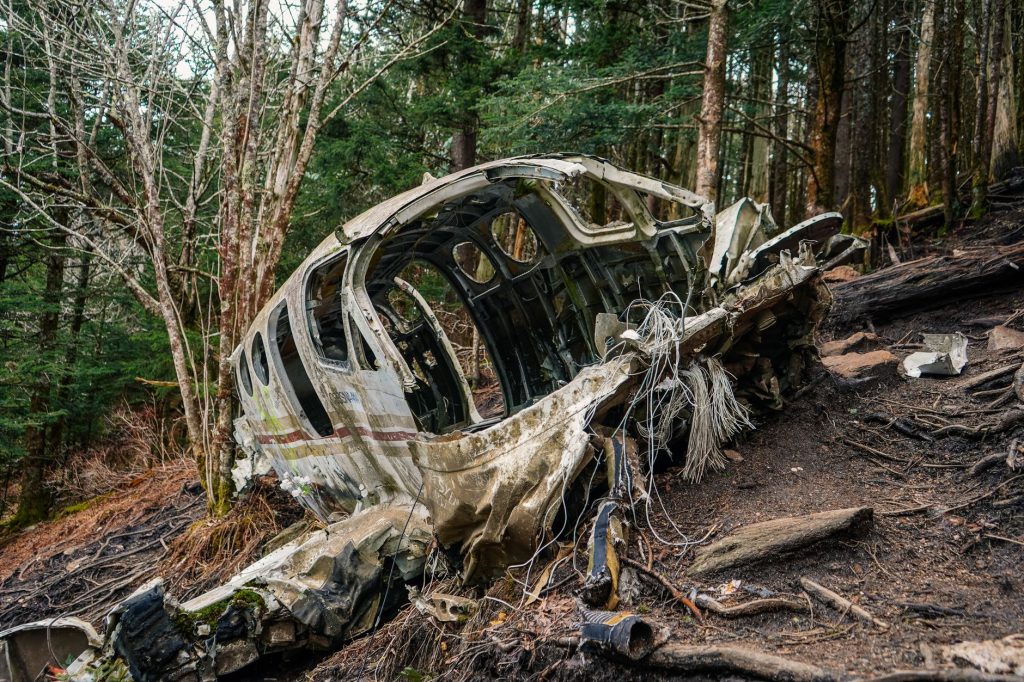
Rescue teams rushed to the crash site, located in a remote area near the foothills of the Eastern Himalayas. The wreckage was strewn across a vast expanse of land, with debris scattered everywhere. The AN-32’s rugged terrain made it challenging for rescue personnel to access the site, but they persevered, determined to bring back the bodies of the fallen airmen.
As the news of the tragedy spread, the people of Jorhat came together to pay their respects to the brave men who lost their lives. The local administration, the IAF, and other stakeholders swung into action, with rescue efforts being led by the Indian Army and the National Disaster Response Force (NDRF).
IAF’s AN-32: A Workhorse with a Turbulent Past
The AN-32 has been a mainstay of the IAF’s transport fleet for decades, with a reputation for being a rugged and reliable workhorse. However, its history has been marked by several incidents, including crashes and mechanical failures. The Soviet-era aircraft has been due for replacement for years, but the IAF has struggled to procure new aircraft, leading to a prolonged dependence on the AN-32.
Experts point out that the IAF’s reliance on the AN-32 is a classic case of ‘operational necessity’ driving procurement decisions. The aircraft has been modified and upgraded several times, but its age and design limitations make it increasingly challenging to maintain.
What Lies Ahead for the IAF and India?
The crash of the AN-32 has raised several questions about the safety and maintenance protocols in place for the IAF’s transport fleet. As the investigation into the incident continues, the nation will be watching closely to see how the IAF responds to this tragedy.
For India, this incident serves as a stark reminder of the need to prioritize military modernization and procurement. The country’s armed forces need to be equipped with modern, reliable, and safe aircraft to carry out their duties effectively.
In the wake of this tragedy, the IAF and the Ministry of Defence (MoD) will need to take a hard look at their procurement policies and safety protocols to prevent such incidents from happening in the future.