
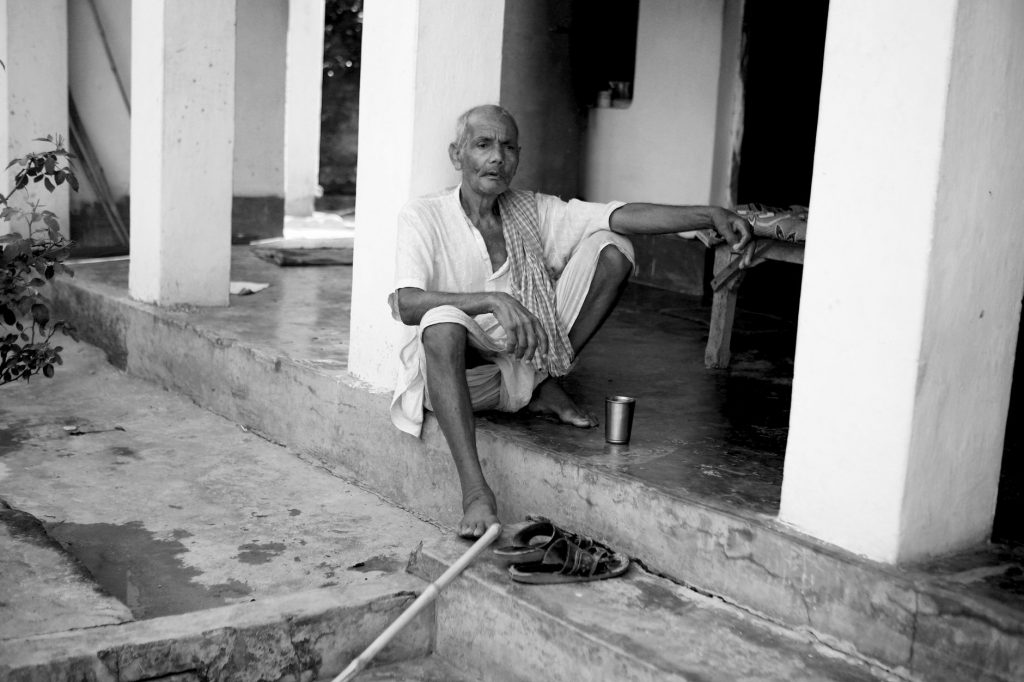
Imagine waking up every morning with access to clean water, electricity, and a steady supply of food. For many Indians, such luxuries are a distant dream. But for Rohan Kumar, an Indian living in the United States, this is his everyday reality.
Rohan, a software engineer, moved to the US a few years ago in search of better job opportunities. What he experienced in the first few months left him stunned. He recounts, ‘I was amazed by the efficiency of public services, the cleanliness of streets, and the overall standard of living.’ In contrast, back home in Bihar, he would often face power cuts, dirty roads, and a scarcity of basic necessities.
A Glimpse into the Past
Rohan grew up in a small town in Bihar, where his family struggled to make ends meet. His parents worked tirelessly to provide for him and his siblings, but the meager income often left them struggling to afford even the basic necessities. ‘I remember days when we wouldn’t have electricity for hours, and the streets would be filled with trash and sewage,’ Rohan reminisces. The harsh reality of life in Bihar made him realize how much he took for granted the comforts of modern living.
The stark contrast between life in Bihar and the US hit Rohan hard. He would often think about the millions of Indians who were still struggling to access basic amenities. He began to question the policies and infrastructure that allowed such disparities to persist. ‘I felt a sense of guilt for having left behind my family and friends, who were still grappling with the same issues I had experienced in the past,’ Rohan confesses.
Rohan’s experience highlights the vast differences in living standards between India and the US. While India has made significant strides in economic growth, the benefits of this growth have not trickled down to the masses. The country still grapples with issues like poverty, inequality, and inadequate infrastructure. Rohan’s story serves as a wake-up call for Indians to demand better from their leaders and work towards creating a more equitable society.
Bridging the Gap
Rohan’s experience also underscores the importance of education and skill development. He credits his education and technical skills for his success in the US. ‘If I had not acquired the skills to compete in the global market, I would still be struggling to make ends meet in Bihar,’ he says. Rohan’s story highlights the need for India to invest in education and skill development, especially in rural areas, to bridge the gap between the haves and have-nots.
As Rohan continues to live in the US, he remains committed to giving back to his community. He regularly donates to charitable causes and volunteers his time to help underprivileged Indians. His story is a testament to the power of resilience and the human spirit. Despite the challenges he faced, Rohan remains hopeful about the future of India and its people.
Rohan’s experience also raises important questions about the role of technology in bridging the gaps between different regions and communities. As technology becomes increasingly accessible, it can be a powerful tool for empowering marginalized communities and promoting social change. Rohan’s story highlights the need for Indians to harness the power of technology to create a more just and equitable society.
A Call to Action
Rohan’s story is a call to action for Indians to demand better from their leaders. It highlights the need for policymakers to prioritize the needs of the marginalized and work towards creating a more equitable society. As Rohan himself says, ‘We need to create a system that works for everyone, not just the privileged few.’ His story serves as a reminder that even in the face of adversity, there is always hope for a better tomorrow.
In conclusion, Rohan’s experience is a powerful reminder of the vast disparities in living standards between India and the US. His story highlights the need for Indians to demand better from their leaders and work towards creating a more equitable society. As we move forward, it is essential that we learn from Rohan’s experience and work towards building a brighter future for all Indians.