
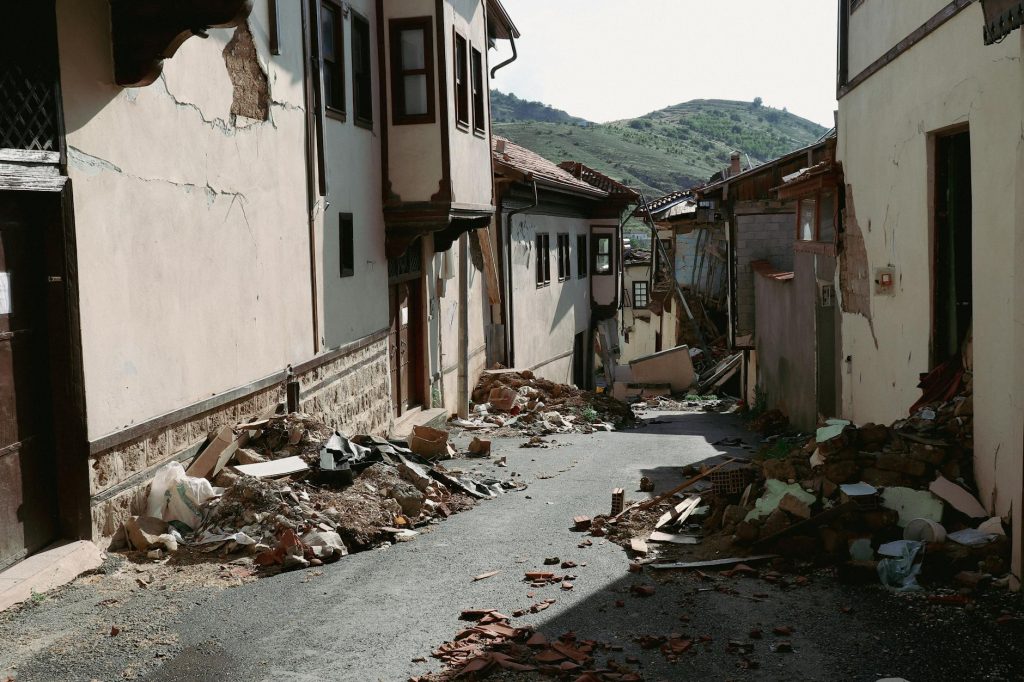
Delhi woke up to an unexpected jolt on Tuesday morning as earthquake tremors rattled the national capital, leaving residents scrambling out of their homes and onto streets. While the shaking lasted only seconds, it was enough to send a wave of anxiety through the city and spark conversations about seismic safety across urban India.
The Tremors and Their Strength
The earthquake registered a magnitude of around 6.8 on the Richter scale, making it a significant seismic event by Indian standards. Though the tremors were felt strongly in Delhi, the intensity decreased as you moved further away from the epicenter. Most buildings in the capital, designed to withstand such movements, held firm—but that doesn’t mean there’s no reason to pay attention.
For those in high-rise buildings, the swaying sensation was unmistakable. Many office workers and school children were evacuated as a precaution, and social media quickly filled with worried messages from residents checking on family members.
Where Did It Come From?
The epicenter was located in the Hindu Kush region of Afghanistan, several hundred kilometers away from Delhi. This distance actually worked in the capital’s favor—had the earthquake been closer, the damage could have been far more severe. The tremors traveled across borders, reminding us that earthquakes don’t respect political boundaries.
This isn’t Delhi’s first brush with seismic activity. The city sits on an active geological zone, and experts have long warned about the potential for larger earthquakes in the Indo-Gangetic plains.
No major structural damage was reported in Delhi itself, and thankfully, there were no significant casualties. However, initial reports from Afghanistan suggested the earthquake was destructive in regions closer to the epicenter, with dozens of buildings damaged.
Why Should This Matter to You?
If you live in Delhi, Haryana, or nearby states, this event is a wake-up call about earthquake preparedness. Most of us never think about what to do when the ground starts shaking—but those seconds count. Drop, cover, and hold on: that’s the mantra you should remember.
For apartment dwellers, it’s worth checking if your building meets earthquake safety standards. Many older structures in Indian cities aren’t designed to handle strong tremors. Having an emergency kit at home—water, first aid supplies, a flashlight—isn’t paranoia; it’s practical sense.
The broader concern is about urban preparedness across India. Cities like Delhi, Mumbai, and Bangalore house millions of people in densely packed high-rises. A stronger earthquake hitting closer to home could turn into a genuine disaster without proper building codes and emergency response systems in place.
The tremors also highlight how interconnected our region is. What happens in Afghanistan’s mountains affects people sleeping in Delhi’s suburbs. As climate patterns shift and geological activity continues, staying informed and prepared isn’t optional anymore—it’s essential.