
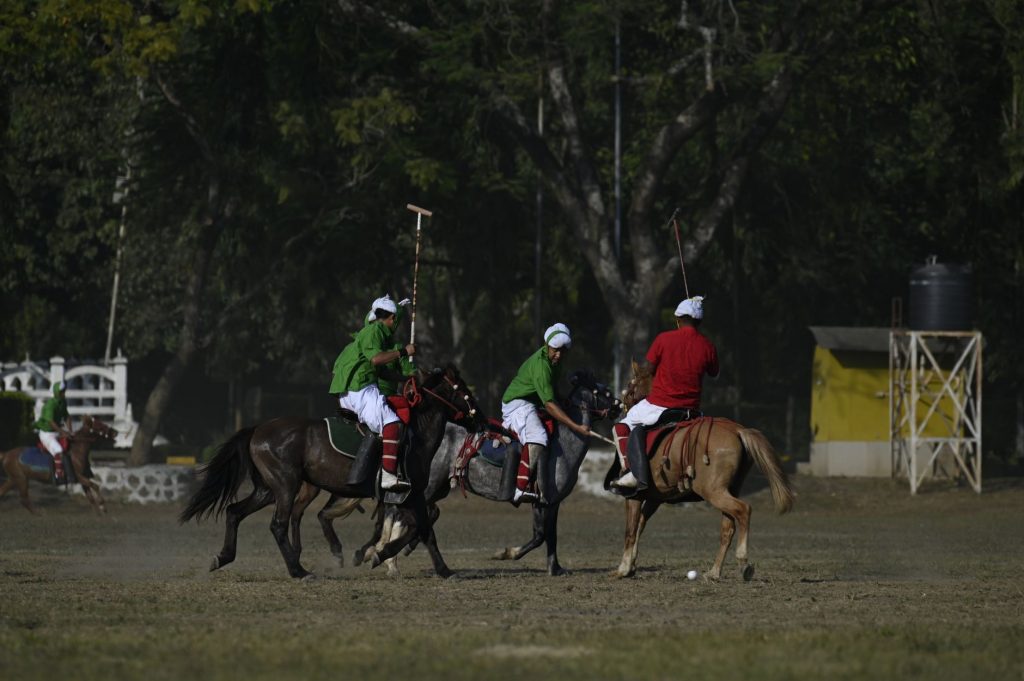
Imagine strolling through the lush green lawns of the Jaipur Polo Ground in Delhi, the city’s oldest polo grounds, where the who’s who of Indian society gather for high-stakes polo matches and charity events. For years, this iconic venue has been a symbol of elegance and refinement. However, the Centre has now taken possession of this land, sending shockwaves among Delhi’s elite.
The Jaipur Polo Ground, which spans over 25 acres, has a rich history dating back to 1864, making it not only a significant recreational hub but also a historical landmark. Located in the heart of the city, it has hosted numerous high-profile events, including the annual Jaipur Polo Tournament, and has been a favorite among Delhi’s socialites.
Centre’s Move: What Does it Mean?
The Centre’s decision to take possession of the Jaipur Polo Ground has raised several questions. While the exact reason behind this move is still unclear, sources suggest that the government plans to redevelop the land for a more inclusive and public-friendly use. It is likely that the Centre will convert the area into a public park or a community space, which could be a welcome change for the local residents who have long felt the area is inaccessible to them.
However, this move has also sparked concerns among Delhi’s elite, who fear that the Centre’s intentions may not align with their interests. The Jaipur Polo Ground has long been a hub for socialites, politicians, and business leaders, and its redeveloper could be a threat to their exclusive gatherings. While some argue that the Centre’s move is a much-needed step towards making the area more inclusive, others see it as a threat to the city’s cultural heritage.
Expert Context: What’s Next?
According to urban planning experts, the Centre’s move is a significant step towards making Delhi’s public spaces more accessible and inclusive. ‘The Jaipur Polo Ground is a prime example of a public space that has been controlled by a select few for far too long. The Centre’s decision to take possession of the land is a step in the right direction towards making it more public-friendly,’ says Anjali Puri, a renowned urban planner.
However, experts also caution that the Centre’s intentions should be carefully monitored to ensure that the area is redeveloped in a way that preserves its cultural and historical significance. ‘While the Centre’s plans to redevelop the area are welcome, we must ensure that the process is transparent and inclusive. The local residents, stakeholders, and experts should be consulted to ensure that the area is redeveloped in a way that benefits everyone,’ adds Puri.
As the Centre takes possession of the Jaipur Polo Ground, one thing is certain – the city’s social and cultural landscape will undergo significant changes. Whether this change will be a positive or negative development remains to be seen. But one thing is clear – the Centre’s move has set off a chain reaction that will be felt across the city for years to come.
As the Centre moves forward with its plans to redevelop the Jaipur Polo Ground, it will be crucial to keep a close eye on the process to ensure that the area is redeveloped in a way that preserves its cultural and historical significance. The Centre must engage with local residents, stakeholders, and experts to ensure that the area is redeveloped in a way that benefits everyone. Only then can we say that the Centre’s move has been a success.