
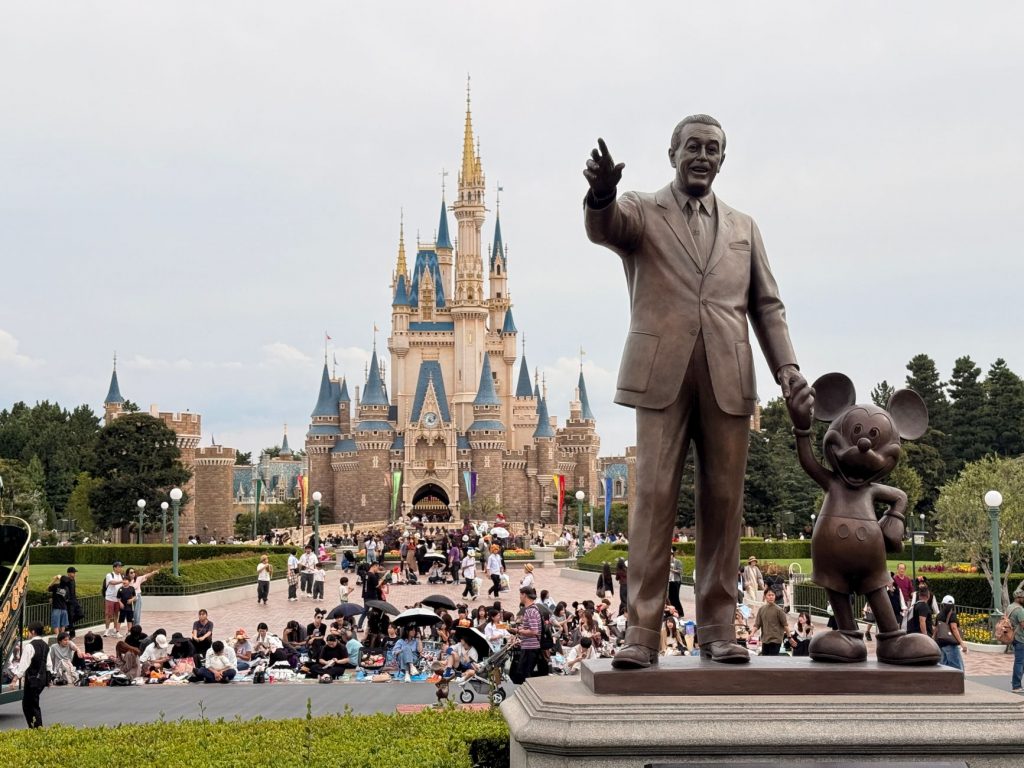
Are you wondering how Disney is using artificial intelligence to create magical experiences for its visitors? The answer lies in its recent partnership with Adobe, a leading software company. Disney’s Imagineering Research & Development unit is now using Adobe’s Firefly AI models to design and visualize elements of its upcoming parks and resorts.
This collaboration is a significant development for Disney, especially after its previous deal with OpenAI fell through. The company is keen to leverage the power of AI to enhance the overall experience of its visitors. With Adobe’s Firefly AI models, Disney’s Imagineers can now create immersive and interactive experiences that were previously unimaginable.
What is Adobe’s Firefly AI?
Adobe’s Firefly AI is a commercial version of the company’s AI model designed to protect a brand’s intellectual property. It is a powerful tool that enables designers and creators to generate high-quality content, such as images and videos, while ensuring that the output is consistent with the brand’s guidelines and policies. In the context of Disney, Firefly AI can be used to create realistic and engaging visuals of its theme parks, resorts, and other attractions.
The use of AI in designing and visualizing theme park elements is a game-changer for the entertainment industry. It enables designers to experiment with different ideas, test them, and refine them quickly, without incurring significant costs. With Firefly AI, Disney’s Imagineers can create multiple iterations of a design, simulate various scenarios, and evaluate the outcomes in a highly realistic and immersive environment.
How will Disney use Firefly AI?
Disney plans to use Firefly AI to design and visualize various elements of its theme parks, including attractions, landscapes, and buildings. The company can use the AI model to generate high-quality visuals of its parks, allowing visitors to explore and experience the attractions remotely. This can be particularly useful for visitors who want to plan their trip in advance or those who cannot physically visit the parks.
Moreover, Firefly AI can help Disney’s Imagineers to optimize the design of its parks, ensuring that the visitor experience is seamless and enjoyable. The AI model can analyze data on visitor behavior, preferences, and demographics, providing valuable insights that can inform design decisions. By leveraging these insights, Disney can create personalized experiences for its visitors, increasing their engagement and satisfaction.
What does this mean for the future of theme parks?
The partnership between Disney and Adobe marks a significant milestone in the evolution of theme parks. The use of AI in designing and visualizing theme park elements is likely to become more widespread, as other entertainment companies seek to replicate Disney’s success. As AI technology advances, we can expect to see more innovative and immersive experiences in theme parks, including interactive exhibits, virtual reality experiences, and personalized attractions.
The collaboration between Disney and Adobe also highlights the importance of intellectual property protection in the age of AI. As AI-generated content becomes more prevalent, companies must ensure that their intellectual property is protected and that the output is consistent with their brand guidelines and policies. Adobe’s Firefly AI model provides a robust solution for this challenge, enabling companies to generate high-quality content while protecting their intellectual property.
In conclusion, the partnership between Disney and Adobe is a significant development for the entertainment industry. The use of AI in designing and visualizing theme park elements is a game-changer, enabling companies to create immersive and interactive experiences that were previously unimaginable. As AI technology advances, we can expect to see more innovative and personalized experiences in theme parks, enhancing the overall experience of visitors.