
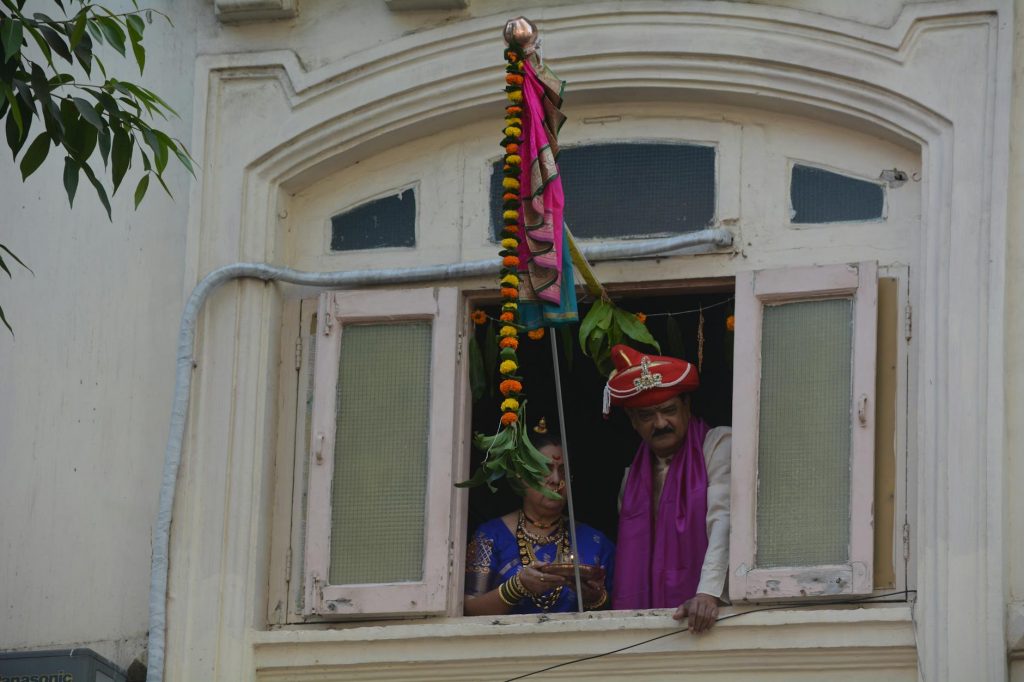
Maharashtra’s Chief Minister Devendra Fadnavis took to the streets of Nagpur on Gudi Padwa, joining thousands of people in the traditional Shobha Yatra that marks the Marathi New Year. The colorful procession wound through the city with music, dance, and the iconic gudi—a decorated pole with neem leaves and jaggery—that symbolizes victory and prosperity in Marathi culture.
A Festival That Brings Everyone Together
Gudi Padwa isn’t just a religious celebration—it’s when Maharashtrians ring in their new year according to the lunar calendar. Families wake up early, apply turmeric and oil, prepare traditional dishes like puran poli, and display the gudi outside their homes. The Shobha Yatra is the public face of this joy, where neighbors, communities, and even political leaders come together in the streets.
The sight of a Chief Minister walking alongside ordinary citizens in such processions sends a message that these traditions matter to everyone, regardless of position. When leaders participate in local festivals, it reinforces the cultural identity that connects millions of Maharashtrians to their heritage.
Why Nagpur Matters for This Celebration
Nagpur, the winter capital of Maharashtra, holds special significance during Gudi Padwa. The city’s celebrations are among the most elaborate, with grand processions that showcase Marathi culture at its finest. Political participation in these events isn’t unusual—it’s expected, as leaders use the occasion to connect with voters and celebrate shared values.
Fadnavis’s presence at the Shobha Yatra also serves a practical purpose. It demonstrates the government’s commitment to preserving and promoting cultural festivals in a state where traditions run deep. For many Nagpur residents, seeing their Chief Minister participate directly in community celebrations creates a sense of connection between governance and everyday life.
What Comes Next
Gudi Padwa celebrations will continue across Maharashtra throughout the season, with families hosting each other for festive meals and exchanging sweets. For the government, these festival appearances are part of a larger calendar of public engagement. As Maharashtra heads into the election season, such participations also serve as reminders of political presence in key cities.
The real takeaway here is simpler: Gudi Padwa remains one of those occasions where tradition holds its ground, leaders show up, and entire communities pause to celebrate together. Whether you’re in Mumbai, Nagpur, or a small village in Marathwada, the gudi goes up, the sweets get distributed, and the new year begins with hope—exactly as it has for centuries.