
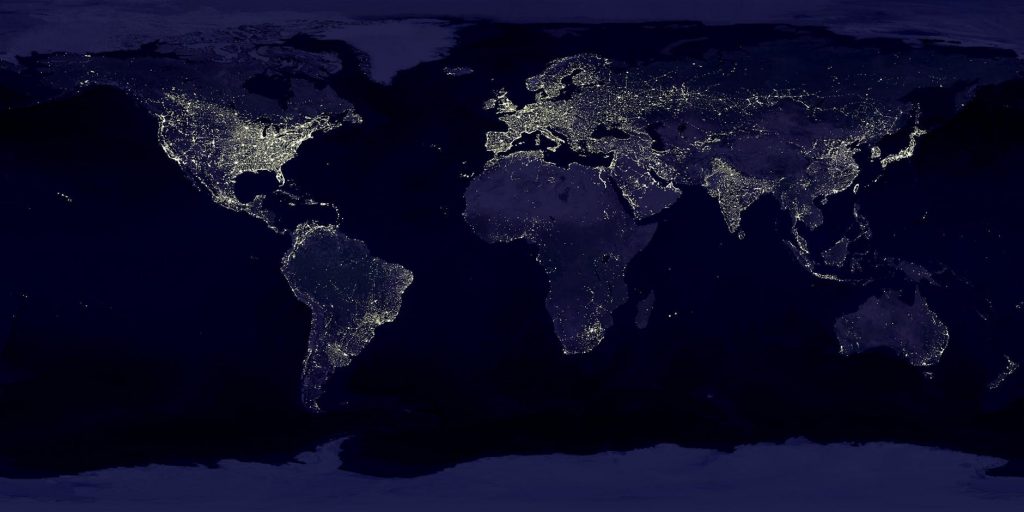
Scientists in Nagpur have started using satellite imagery and advanced mathematical analysis to understand exactly how floods behave in the city. This new approach combines remote sensing technology with Shannon’s entropy — a method that measures unpredictability in patterns — to track water movement during monsoon season.
Why This Matters for Your City
Nagpur faces serious flooding challenges, especially during heavy rains. Traditional flood forecasting often misses critical details about where water accumulates and how fast it spreads. By analyzing satellite data, researchers can now create detailed maps showing vulnerable zones, water flow patterns, and areas that flood repeatedly.
The entropy analysis helps identify which areas are unpredictable during floods — places where water behavior keeps changing. This information is crucial for city planning and disaster management.
What The Research Shows
The study examined years of satellite images to track how Nagpur’s flood dynamics have shifted over time. Instead of relying on ground surveys alone, the satellite approach captures the entire city at once, showing exactly which neighborhoods get submerged and for how long.
Shannon’s entropy adds another layer of insight. It reveals which areas experience the most chaotic water behavior — the zones where floods are hardest to predict. This helps authorities prioritize where to build better drainage systems and flood walls.
The research also documents the long-term impact of floods on Nagpur’s infrastructure, agricultural lands, and residential areas. Some zones show permanent water retention problems that keep getting worse with each monsoon.
What Happens Next
City planners and disaster management officials can use these detailed satellite maps to make smarter decisions about urban development. Instead of guessing where floods will strike, they now have actual data showing flood-prone zones.
The findings could lead to better drainage infrastructure in high-risk areas and improved early warning systems. If Nagpur authorities adopt this technology, residents could get more accurate flood alerts based on real-time satellite monitoring rather than traditional weather forecasts alone.
This approach also works for other Indian cities facing similar monsoon challenges. States like Maharashtra, Madhya Pradesh, and Telangana could apply the same satellite and entropy analysis method to protect their vulnerable urban areas.
The bottom line: technology is giving Nagpur a clearer picture of its flood problem. What happens now depends on whether the city acts on this knowledge to build smarter, safer neighborhoods.