
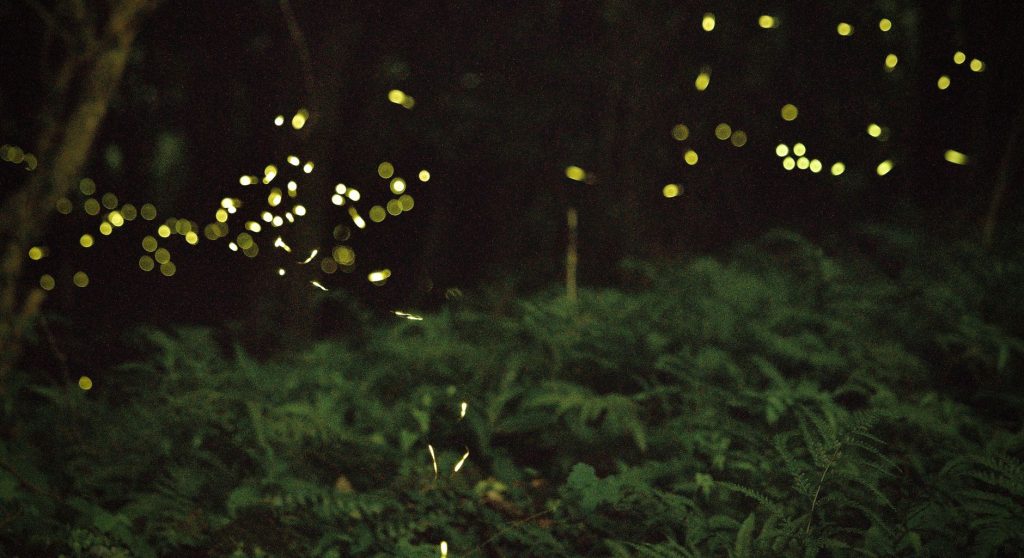
Imagine a summer evening, with the sun setting over a tranquil lake. The sky transitions from a bright blue to a warm orange, and the air cools down, carrying the sweet scent of blooming flowers. As the stars begin to twinkle in the night sky, a magical spectacle unfolds – fireflies start to light up, creating a mesmerizing display of twinkling lights.
India, being a land of diverse geography and climate, offers numerous destinations where fireflies put on an enchanting show. From the lush forests of the Western Ghats to the rolling hills of the Eastern Himalayas, and from the mangrove forests of the Sundarbans to the arid deserts of Rajasthan, each region has its unique firefly-watching hotspots.
Top Firefly-Watching Destinations in India
One of the most popular firefly-watching spots in India is the Periyar Wildlife Sanctuary in Kerala. Situated in the heart of the Western Ghats, this sanctuary is home to a vast array of wildlife, including the elusive Bengal tiger. The sanctuary’s dense forests and wetlands provide an ideal habitat for fireflies, making it a must-visit destination for nature enthusiasts.
Another popular destination for firefly-watching is the Kondadifirefly sanctuary in Karnataka. Located in the midst of the Western Ghats, this sanctuary is home to a variety of firefly species, including the rare and endangered Luciola italica. The sanctuary’s unique ecosystem, with its towering trees, winding streams, and lush vegetation, creates an otherworldly atmosphere, making it an ideal spot for firefly-watching.
For those in the Northeast, the Kaziranga National Park in Assam is a haven for firefly enthusiasts. This UNESCO World Heritage Site is home to the world’s largest population of one-horned rhinoceroses and is also a vital habitat for a variety of firefly species. The park’s unique landscape, with its grasslands, wetlands, and forests, provides an ideal setting for fireflies to thrive.
In addition to these popular destinations, there are several other lesser-known firefly-watching spots in India that are worth exploring. The Sathyamangalam Wildlife Sanctuary in Tamil Nadu, for instance, is home to a variety of firefly species, including the rare Luciola marginata. The sanctuary’s unique ecosystem, with its rolling hills, rocky outcrops, and dry forests, creates a fascinating backdrop for firefly-watching.
Why Firefly-Watching Matters
Firefly-watching is not just a recreational activity; it also provides an opportunity to learn about the natural world and the importance of conservation. Fireflies, like all other species, play a vital role in the ecosystem, serving as a food source for various animals and contributing to the pollination of plants. By studying fireflies, scientists can gain insights into their behavior, habitat, and population dynamics, which can inform conservation efforts and help protect these species.
Moreover, firefly-watching can also have a profound impact on local communities. In many parts of India, fireflies are an integral part of traditional culture and are often associated with festivals and celebrations. By promoting firefly-watching, we can help revitalize these cultural traditions and create a sense of community and shared ownership among local people.