
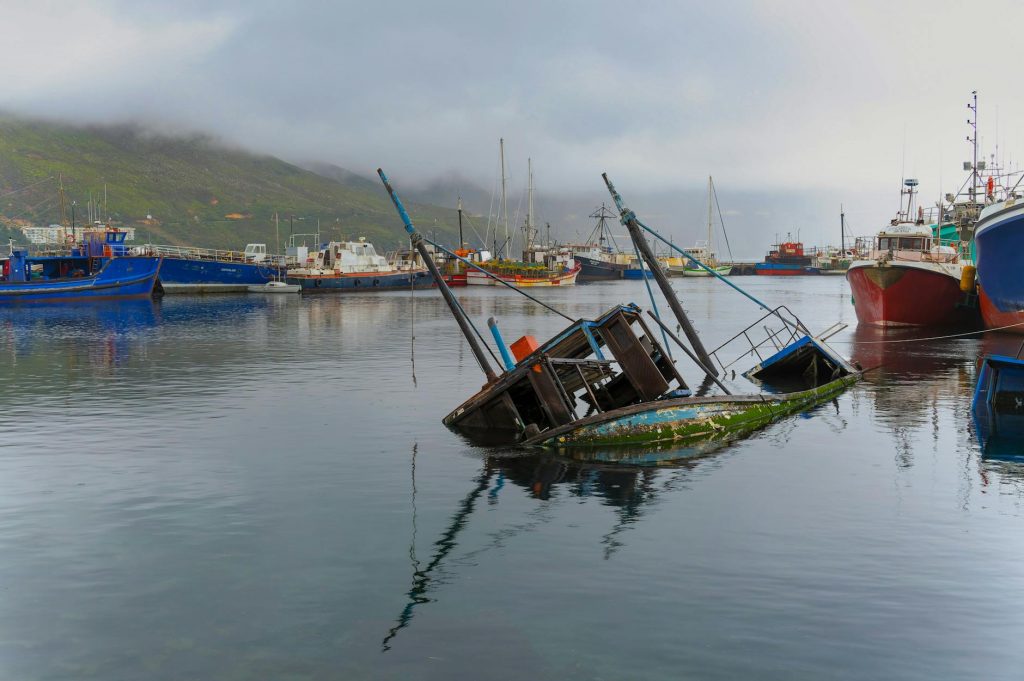
Urgent Permission Given to IRIS Dena
India granted emergency docking approval to the Iranian vessel IRIS Dena at Kochi’s port just days before the ship sank in the Arabian Sea. The quick authorization came after the Iranian authorities requested urgent assistance for the cargo vessel.
The decision meant Indian port authorities expedited their normal clearance procedures. Usually, such approvals take time—but this one was processed rapidly, highlighting the maritime emergency protocols between India and Iran.
Why This Matters Now
The IRIS Dena later encountered severe weather conditions and ultimately sank while at sea. The quick docking approval raised questions about what could have been done differently if the ship had made it to port earlier.
India maintains significant maritime trade relationships with Iran despite international sanctions. Both nations cooperate on port operations and ship safety matters, making such emergency approvals not unusual but certainly notable when disasters follow.
The sinking of the vessel also highlighted how quickly maritime situations can deteriorate. A ship approved for docking one day can face catastrophic conditions the next, reminding us how unpredictable the sea remains despite modern technology.
What This Means for Indian Shipping
This incident puts a spotlight on India’s port safety protocols and emergency response systems. When foreign vessels request urgent docking, Indian ports must balance quick action with proper verification and safety checks.
For Indian seafarers and the shipping industry, it underscores the dangers they face regularly. The Arabian Sea and Indian Ocean witness numerous vessels passing through annually—each facing potential risks from weather, mechanical failures, or other emergencies.
The episode also reflects India’s diplomatic flexibility in port operations. New Delhi manages relationships with multiple nations through its ports, and emergency approvals like this one demonstrate how maritime cooperation works in real-time situations.
Shipping industry experts are likely reviewing what happened to understand if faster port access could have prevented the tragedy. The conversation around maritime safety, emergency protocols, and international cooperation will probably intensify in coming weeks.
For ordinary Indians, this story reminds us that global trade depends on thousands of ships constantly moving goods across oceans. Behind every product imported or exported is a vessel and crew navigating unpredictable waters—something we rarely think about until something goes wrong.
The Indian government and port authorities will likely continue investigating the circumstances surrounding the IRIS Dena sinking and review whether their emergency approval processes need any adjustments.