
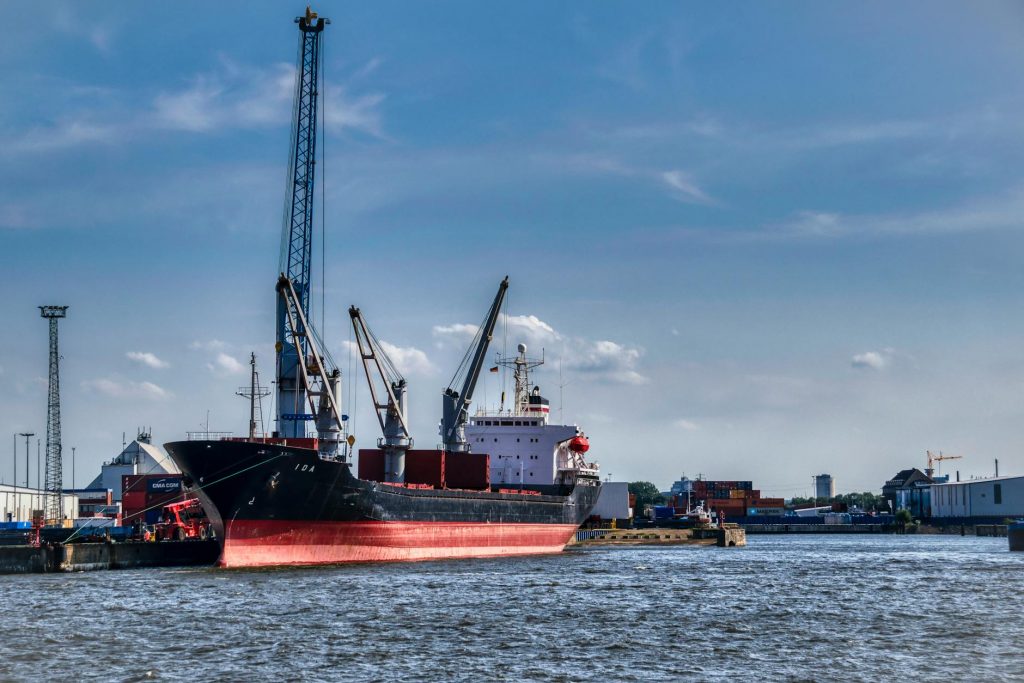
So here’s the question everyone’s asking — why is India allowing Iranian ships to dock at its ports when tensions between the US and Iran keep getting messier?
The simple answer: India has its own diplomatic calculations to make, and port access is part of that strategy.
Another Iranian vessel, more crew arriving
Before the recent Dena incident that grabbed headlines, another Iranian ship carrying 183 crew members was already permitted to dock in Kochi. This happened quietly, but it tells us something important about how India handles these situations.
India isn’t exactly rushing to join an anti-Iran alliance. Instead, the government evaluates each case individually — looking at maritime law, humanitarian concerns, and yes, geopolitical consequences too.
Why this matters for India
Here’s the thing: Iran and India have deep trade and energy ties going back decades. Iran supplies oil to Indian refineries. Indian ports have historically been crucial transit points for Iranian commerce. Completely shutting the door would hurt India’s own interests.
At the same time, India walks a tightrope. It maintains relationships with both the US and Iran. Every decision about letting Iranian ships dock gets scrutinized — by Washington, by New Delhi’s strategic community, and by ordinary Indians who wonder what’s actually going on.
The crew members on these vessels aren’t pawns in a geopolitical game though. They’re sailors doing their jobs, often stuck in limbo when their ships face restrictions. India has maritime obligations under international law to ensure they’re treated decently.
When crew members get stranded at ports due to international sanctions or political tensions, countries like India have to decide whether they’ll enforce strict restrictions or allow necessary port facilities. It’s not a black-and-white call.
The Dena incident specifically created waves because it highlighted just how complicated these situations have become. Ships need fuel, maintenance, and supplies. Crew members need medical care and basic amenities. International shipping doesn’t pause for political drama.
India’s approach has been pragmatic rather than ideological. The government allows Iranian vessels to enter Indian ports when there’s no specific international sanction preventing it, while being careful not to cross lines that might trigger serious consequences.
What’s clear is that India isn’t taking orders from anyone on this — not from the US, not from Iran. New Delhi is charting its own course, balancing its economic interests, humanitarian responsibilities, and strategic partnerships.
As these maritime incidents continue, watch how India handles the next Iranian vessel. Each decision reveals a bit more about where India actually stands in this complex global situation.