
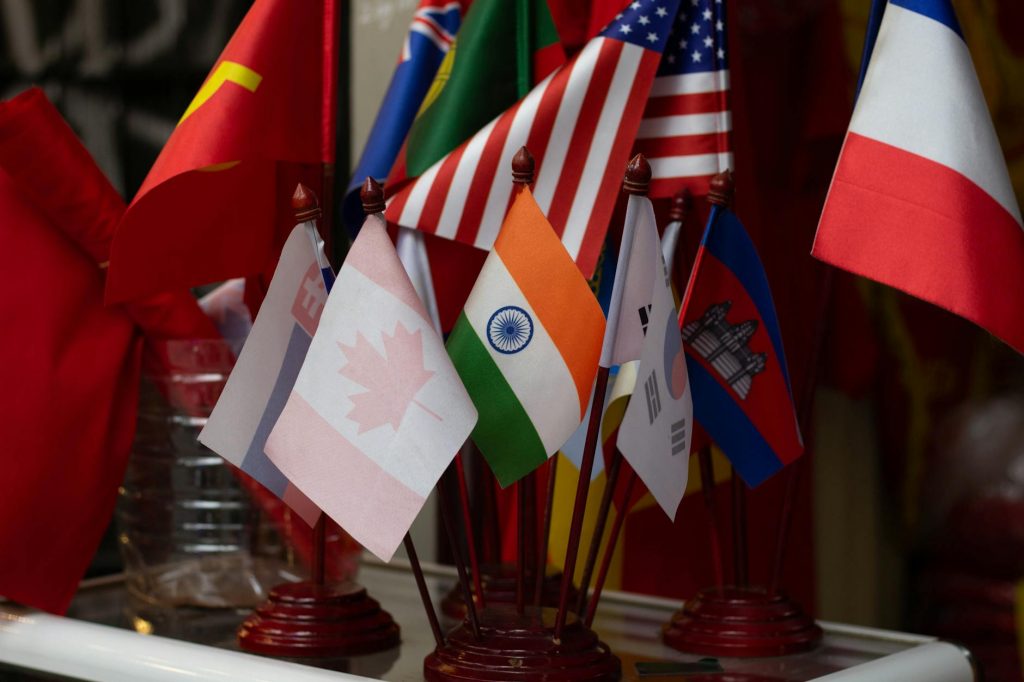
What’s happening at the India-Myanmar border? Are the two nations strengthening their ties with a fresh series of talks?
India and Myanmar have been engaging in high-level diplomacy, and their latest meeting focused on key areas like trade, security, connectivity, and border management.
India-Myanmar Ties: A Historical Perspective
The history of India-Myanmar relations dates back to the early 20th century, with the two nations sharing a 1,643 km-long border. Over the years, they have cooperated on various fronts, including defense, trade, and culture.
However, the relationship has not been without challenges. The Rohingya crisis in 2017 led to a significant deterioration in ties, with Myanmar facing international criticism for its handling of the situation. India, being a key player in the region, has been trying to balance its ties with both Myanmar and Bangladesh.
In recent years, India has been working to strengthen its economic and strategic ties with Myanmar. The country has invested heavily in Myanmar’s infrastructure development, including the construction of a new airport and a major highway.
The latest talks between India and Myanmar have focused on further deepening their bilateral ties. The two nations have agreed to enhance their trade relations, with India offering to provide Myanmar with a $250 million line of credit for infrastructure development.
Security Cooperation: A Key Area of Focus
Security cooperation has been a key area of focus for India and Myanmar, with the two nations cooperating on counter-terrorism and counter-insurgency operations. India has been providing training to Myanmar’s military personnel, and the two nations have also been cooperating on intelligence sharing.
The security cooperation between India and Myanmar has been particularly significant in the context of the ongoing conflict in the region. The Arakan Army, a rebel group operating in western Myanmar, has been carrying out attacks on Indian targets, including the Indian Army’s 23rd Battalion of the Para (Special Forces).
India has been working closely with Myanmar to counter the Arakan Army’s activities, and the two nations have been sharing intelligence and coordinating their military operations. The cooperation has been seen as a significant step towards strengthening India’s security in the region.
Connectivity and border management have also been key areas of focus for India and Myanmar. The two nations have agreed to enhance their connectivity, with India offering to provide Myanmar with a $100 million credit for the development of the Kaladan Multi-Modal Transit Transport Project.
What’s Next for India-Myanmar Relations?
The latest talks between India and Myanmar have been seen as a significant step towards strengthening their bilateral ties. The two nations have agreed to enhance their trade relations, security cooperation, and connectivity.
However, the road ahead will not be easy. The Rohingya crisis is still a major sticking point in India-Myanmar relations, and the Indian government will need to navigate this complex issue carefully.
Despite the challenges, the potential for growth in India-Myanmar relations is significant. With the two nations cooperating on key areas like trade, security, and connectivity, the future looks bright for the relationship.
As the two nations continue to deepen their ties, Indians can expect to see more Indian companies investing in Myanmar and more Indian tourists visiting the country. The enhanced connectivity and trade will also create new opportunities for Indian businesses and entrepreneurs.
Ultimately, the strengthening of India-Myanmar ties will have a positive impact on the region as a whole. It will help to promote peace and stability, and create new opportunities for growth and development.
The journey ahead will be challenging, but with the right approach, India and Myanmar can build a stronger, more sustainable relationship that benefits both nations and the broader region.
In conclusion, the recent talks between India and Myanmar have been a significant step towards strengthening their bilateral ties. The two nations have agreed to enhance their trade relations, security cooperation, and connectivity, and the potential for growth in the relationship is significant.
As Indians, we should be proud of the progress made by our government in strengthening India-Myanmar ties. The relationship has the potential to create new opportunities for growth and development, and promote peace and stability in the region.
India and Myanmar have come a long way in their bilateral relations, and there is much more to be achieved. With the right approach and a commitment to cooperation, the two nations can build a brighter future for themselves and the broader region.