
Are India’s rivers causing chaos in Pakistan? Not according to India’s government, which has dismissed allegations that the Chenab river surge was caused by India’s water management.
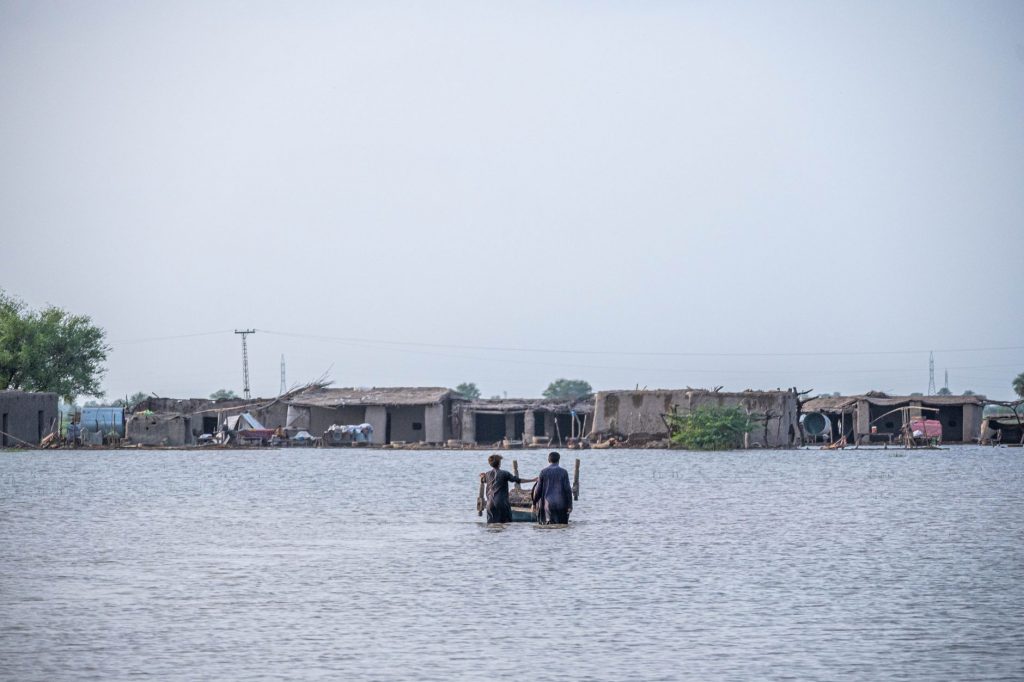
The recent floods in Pakistan have left thousands homeless and have sparked a bitter dispute with India over the cause of the disaster. But India’s Ministry of External Affairs has shot down Pakistan’s claims, saying that the heavy monsoon rainfall is the sole reason behind the floods.
India’s statement comes after Pakistan’s government accused India of releasing excess water from its dams, causing the Chenab river to swell and leading to the floods. Pakistan’s Prime Minister Shehbaz Sharif had even summoned an emergency meeting of the National Security Committee to discuss the matter.
The Chenab River Dispute: A Long-Standing Issue
The dispute over the Chenab river is not new. The river forms the boundary between the Indian union territory of Jammu and Kashmir and Pakistan’s Punjab province. In the past, India and Pakistan have clashed over the sharing of water resources and the management of the river.
In 2014, India and Pakistan had agreed to a landmark treaty on the sharing of water resources, including the Chenab river. The treaty, known as the Indus Waters Treaty, was brokered by the World Bank and has been in place since 1960. Under the treaty, India has the right to use the waters of the Chenab river for non-potable purposes, such as irrigation and power generation.
However, Pakistan has always been wary of India’s intentions and has accused India of violating the treaty. Pakistan has claimed that India’s construction of the Ratle hydropower project on the Chenab river is a threat to its water security and has demanded that India stop the project.
Monsoon Rainfall: The Real Culprit?
India’s Ministry of External Affairs has cited the heavy monsoon rainfall as the main reason behind the Chenab river surge. The ministry said that the rainfall in the catchment areas of the Chenab river has been unusually high this year, leading to a significant increase in the river’s water flow.
India’s statement is backed by data from the India Meteorological Department, which shows that the monsoon rainfall in the Chenab river catchment area has been above normal this year. The data also shows that the rainfall has been more intense in the upper reaches of the river, which has contributed to the surge.
India’s stance on the matter is not just about deflecting blame, but also about highlighting the importance of monsoon rainfall in the region. The monsoon is a vital source of water for India’s agriculture and hydroelectric power generation, and a good monsoon is crucial for the country’s economy.
What’s Next for India and Pakistan?
The dispute over the Chenab river is likely to continue, with Pakistan demanding that India stop the Ratle hydropower project and India claiming that it is within its rights under the Indus Waters Treaty. However, the recent floods have put a fresh perspective on the issue, with both countries needing to work together to address the humanitarian crisis.
India’s rejection of Pakistan’s allegations is a significant development in the ongoing dispute over the Chenab river. While the issue is complex and emotional, India’s stance on the matter is clear: the monsoon rainfall is the primary cause of the floods, and India will not be held responsible for something that is beyond its control.
As the situation unfolds, it remains to be seen how India and Pakistan will move forward on this issue. Will they be able to put aside their differences and work together to address the humanitarian crisis, or will the dispute continue to simmer, threatening regional stability?