
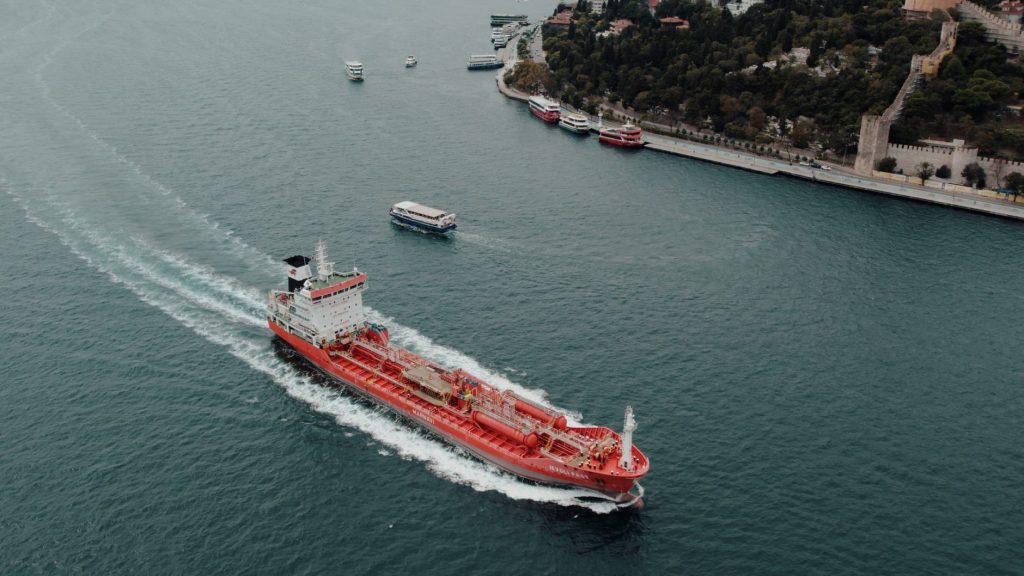
Three Indian-flagged oil tankers have successfully sailed through the strategically important Strait of Hormuz, a narrow waterway that connects the Persian Gulf to the Gulf of Oman. This achievement is a significant milestone in the wake of rising tensions in the region.
The Strait of Hormuz is a critical chokepoint for global energy supplies, with a third of the world’s seaborne oil passing through it. The recent incidents of oil tanker seizures and attacks have heightened concerns about the safety of navigation in this region.
Background: Why is the Strait of Hormuz Important?
The Strait of Hormuz is a 90-mile-wide waterway that connects the Persian Gulf to the Gulf of Oman, making it a vital route for international trade and energy supplies. The region is home to some of the world’s largest oil reserves, and the Strait of Hormuz serves as a lifeline for oil production and export.
The importance of the Strait of Hormuz cannot be overstated. It is estimated that over 20% of the world’s oil production passes through this narrow waterway. Any disruption to the flow of oil through the Strait of Hormuz could have far-reaching consequences for global energy markets.
The region has been plagued by tensions in recent years, with Iran and the United States engaging in a series of escalations that have raised concerns about the safety of navigation in the region. The seizure of oil tankers and attacks on shipping vessels have highlighted the risks of doing business in this region.
What are the Implications of Indian Oil Tankers Sailing Through Hormuz?
The successful transit of three Indian-flagged oil tankers through the Strait of Hormuz is a significant achievement that underscores India’s commitment to the safety and security of its energy supplies. This development is likely to have several implications for India and the global energy market.
Firstly, it demonstrates India’s ability to navigate the complex geopolitical landscape of the region and ensure the safe passage of its energy supplies. This achievement will boost India’s credibility as a major player in the global energy market.
Secondly, it highlights the importance of diversifying energy supplies and reducing dependence on any single region or supplier. India’s ability to source energy from multiple regions, including the Middle East, Africa, and the Americas, will help reduce its vulnerability to disruptions in the global energy market.
What Does this Mean for Indians?
The successful transit of Indian oil tankers through the Strait of Hormuz is a welcome development for Indians who rely on affordable and reliable energy supplies. This achievement will help ensure the stability of the global energy market and reduce the risks associated with oil imports.
The Indian economy is heavily dependent on energy imports, and any disruption to the flow of oil could have far-reaching consequences for the country’s economic growth and development. The successful transit of Indian oil tankers through the Strait of Hormuz is a significant step towards ensuring the security and stability of India’s energy supplies.
In conclusion, the successful transit of three Indian-flagged oil tankers through the Strait of Hormuz is a significant achievement that underscores India’s commitment to the safety and security of its energy supplies. This development has far-reaching implications for India and the global energy market, and it is likely to have a positive impact on the country’s economic growth and development.