
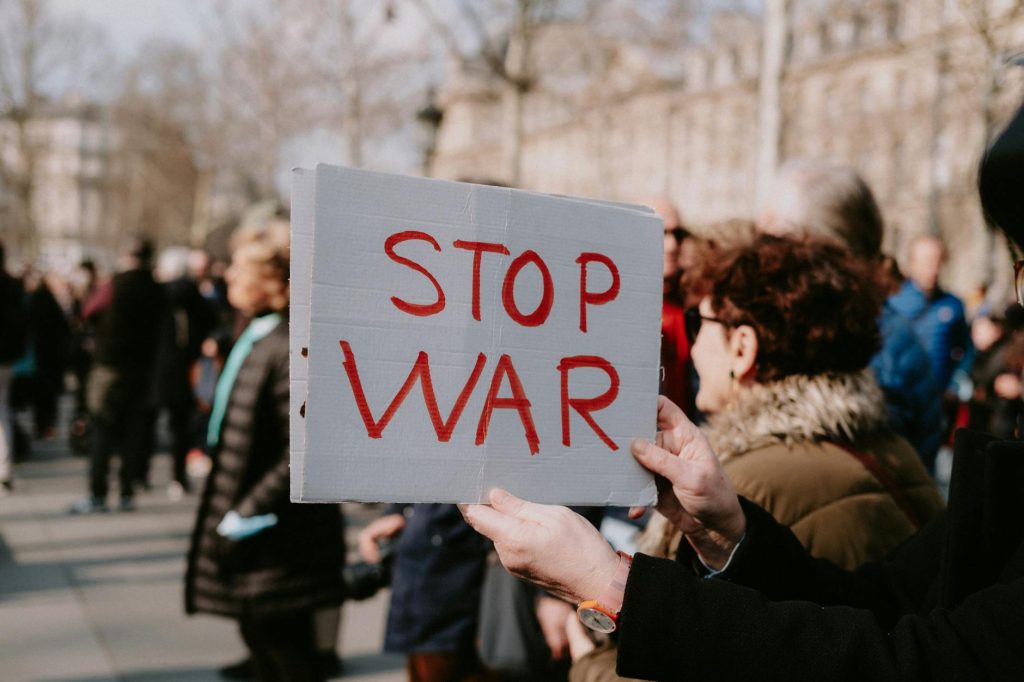
Are we on the brink of another war in the Middle East? This is the question on everyone’s mind as tensions between Iran, Israel, and the United States continue to rise. However, in a recent update, President Trump announced that talks with Iran are ongoing, and Israel and Hezbollah have agreed to hold off on any new military action. But what does this mean for the region, and how did we get here?
Understanding the Conflict
To understand the current situation, we need to take a step back and look at the history of the conflict. The relationship between Iran, Israel, and the United States is complex, with each country having its own interests and agendas. Iran, a predominantly Shia Muslim country, has been at odds with Israel, a Jewish state, for decades. The United States, on the other hand, has been a long-time ally of Israel, while also having a complicated relationship with Iran.
In recent years, tensions between the United States and Iran have escalated, particularly after the US withdrew from the Iran nuclear deal in 2018. The deal, which was signed in 2015, aimed to limit Iran’s nuclear program in exchange for relief from economic sanctions. However, the US withdrawal from the deal and the reimposition of sanctions have led to a significant escalation of tensions between the two countries.
The Role of Israel and Hezbollah
Israel and Hezbollah, a Shia Islamist militant group based in Lebanon, have also been involved in the conflict. Israel has long considered Iran a threat to its national security, and has been concerned about Iran’s growing influence in the region. Hezbollah, which is backed by Iran, has been involved in several conflicts with Israel, including a war in 2006.
In recent months, there have been reports of increased military activity between Israel and Hezbollah, with both sides exchanging blows along the border. However, according to President Trump’s recent update, both Israel and Hezbollah have agreed to hold off on any new military action. This is a significant development, as it could potentially prevent a wider conflict in the region.
What’s Next?
So, what does the future hold for the region? While the agreement between Israel and Hezbollah to hold off on military action is a positive development, it is unclear how long this will last. The conflict between Iran, Israel, and the United States is complex and multifaceted, and there are many variables at play.
One thing is certain, however: the international community will be watching the situation closely. The United Nations and other global organizations have called for calm and restraint, and have urged all parties to engage in diplomatic efforts to resolve the conflict. The European Union, in particular, has been working to salvage the Iran nuclear deal, and has called on all parties to return to the negotiating table.
For India, the conflict in the Middle East has significant implications. As a major importer of oil, India is heavily reliant on the region for its energy needs. Any disruption to oil supplies could have a significant impact on the Indian economy. Furthermore, the conflict also has implications for India’s own national security, as it could potentially lead to an increase in terrorism and extremism in the region.
In conclusion, the situation in the Middle East is complex and fluid, and it is difficult to predict what will happen next. However, one thing is certain: the international community must come together to find a diplomatic solution to the conflict. The alternative – a wider war in the region – is too terrible to contemplate. As the world watches the situation unfold, one thing is clear: the fate of the Middle East, and indeed the world, hangs in the balance.