
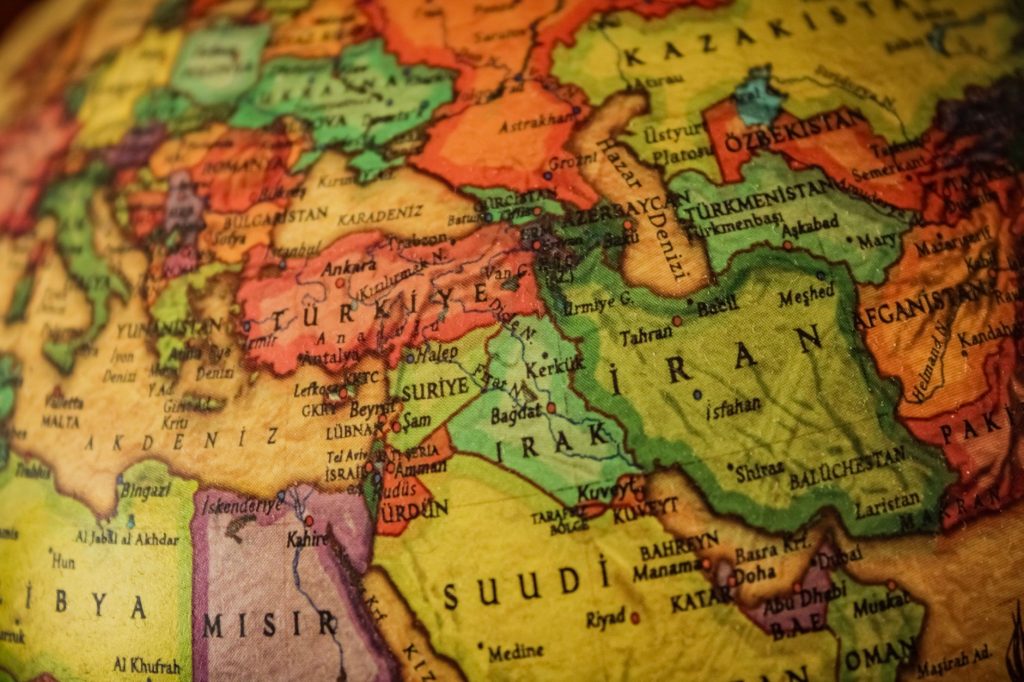
Imagine a game of chess, where every move is calculated, every piece strategically placed. For many of us in India, following international politics can feel like watching such a game unfold, distant yet impactful. Now, picture Iran, a nation often in the global spotlight, playing a particularly masterful game, one that a recent analysis suggests has seen it achieve significant victories on the world stage, not through brute force, but through smart, long-term strategy.
Deft Diplomacy, Not Just Defence
While headlines often focus on Iran’s military might or its nuclear program, a deeper look reveals a sophisticated foreign policy at play. The New York Times’ opinion piece argues that Tehran has been remarkably successful in advancing its interests by leveraging its regional influence, fostering alliances, and skillfully navigating complex geopolitical landscapes. This isn’t about winning battles, but about winning influence and securing its position in a volatile Middle East.
Building Bridges, One Ally at a Time
Instead of direct confrontation, Iran has focused on building a network of proxies and allies across the region. Think of it like building a strong neighbourhood watch, where everyone has a stake and a role. This strategy has allowed Tehran to project power and counter rivals without necessarily engaging in direct, costly conflicts. From Lebanon to Yemen, these relationships have become crucial tools in Iran’s foreign policy arsenal, giving it leverage in negotiations and a significant say in regional affairs.
Expert Analysis: A Shift in Power Dynamics
According to experts who analyze these trends, Iran’s success lies in its patience and its ability to exploit the weaknesses and divisions among its adversaries. While Western powers have often focused on sanctions and military deterrence, Tehran has quietly been consolidating its influence through economic ties, political support, and ideological appeal. This approach has allowed it to achieve outcomes that might have seemed impossible just a few years ago, effectively reshaping regional power dynamics in its favour.
This strategic approach has not gone unnoticed. It suggests a paradigm shift in how nations can achieve their foreign policy objectives, moving beyond traditional military might to embrace multifaceted diplomatic and economic engagement. For India, observing these developments is crucial as it navigates its own relationships in the region and seeks to maintain stability and economic ties.