
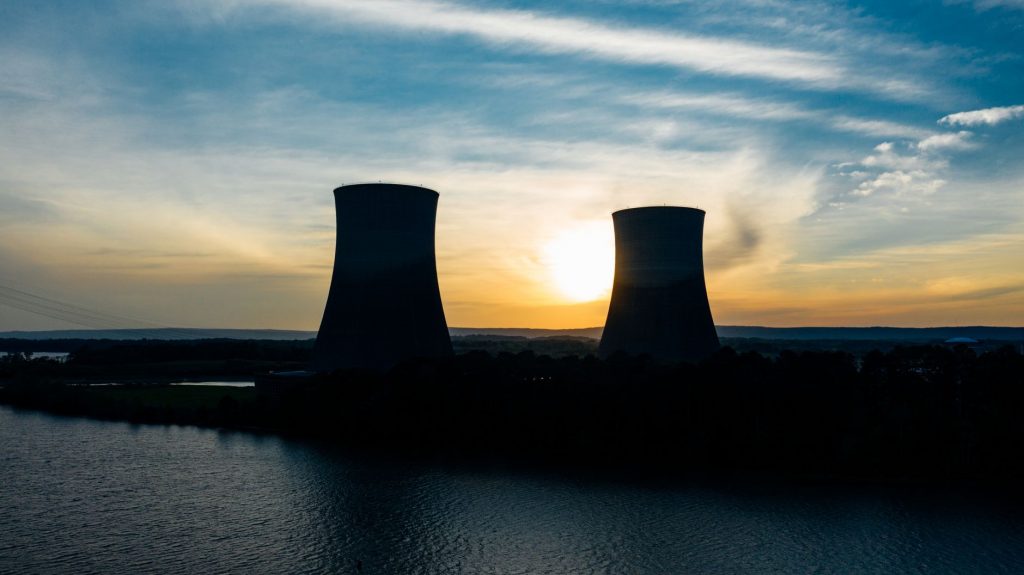
Is Iran’s nuclear programme truly for peaceful purposes, or does it harbor ambitions beyond energy generation? This question hangs heavy in the air as diplomatic efforts intensify, with key regional players like Saudi Arabia now engaged in dialogue with Tehran.
Recent pronouncements from Iran assert a steadfast commitment to a civilian nuclear agenda, aimed primarily at meeting its growing energy needs. This comes amidst heightened global scrutiny, particularly from Western nations, who harbor suspicions about the dual-use potential of Iran’s nuclear technology. The Islamic Republic has consistently maintained that its programme is under the watchful eye of the International Atomic Energy Agency (IAEA) and adheres strictly to international safeguards.
Regional Diplomacy Takes Centre Stage
The unfolding developments are significant not just for Iran’s internal policies but also for the broader geopolitical landscape of the Middle East. The presence of allies in Riyadh, engaging with Iranian representatives, signals a potential thaw in long-strained relations. This shift towards dialogue, away from outright confrontation, is being closely observed by global powers and regional actors alike. For years, tensions have simmered, fueled by concerns over Iran’s ballistic missile programme and its regional influence. Now, the focus appears to be on de-escalation and finding common ground, with the nuclear issue forming a central plank of these discussions.
The Nuclear Question: A Lingering Concern
Despite Iran’s assurances, the international community remains cautious. The historical context of Iran’s nuclear journey, marked by periods of opacity and international pressure, fuels this skepticism. While Iran points to its energy requirements and the peaceful applications of nuclear technology, the potential for weaponization remains a persistent worry. The success of current diplomatic overtures hinges on transparency and verifiable assurances that will allay these deeply entrenched fears and pave the way for a more stable regional order.