
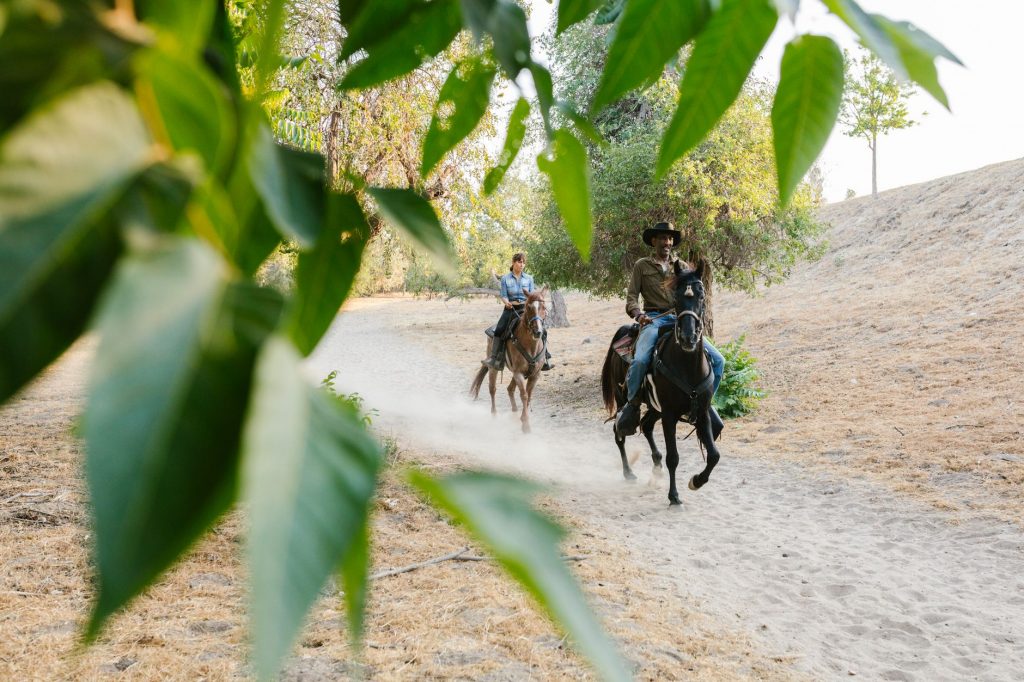
So, there’s this streamer on Kick, right? Goes by JollyRancherZoo. He recently posted a video of himself riding a horse in India, and let’s just say it’s not exactly a happy-go-lucky situation for him. The clip went super viral, but not in the way he probably hoped. People are seriously calling him out, and the whole thing has blown up into a major controversy.
What’s the Big Deal with the Horse Ride?
The issue isn’t just about someone enjoying a horse ride. The video, which surfaced online, shows the streamer seemingly interacting with the horse in a way that many viewers found disrespectful and potentially harmful to the animal. While the exact details of his actions are being debated, the general sentiment is that he treated the horse poorly. In India, where animals, especially cows and horses, often hold a special cultural and sometimes religious significance, such perceived mistreatment can trigger strong emotional responses. This isn’t just about animal welfare in the abstract; it taps into deeply held values for many Indians.
The Backlash and What It Means
The internet, as we know, can be a wild place, and the backlash against JollyRancherZoo has been intense. Social media platforms are flooded with comments from users expressing anger, disappointment, and demanding an apology or even action against him. This kind of online outrage isn’t new, but when it involves a foreign national interacting with local culture and animals in a way that’s perceived as offensive, it can quickly escalate. For us in India, it highlights the importance of cultural sensitivity and responsible online behavior, especially when showcasing interactions in a different country. It’s a reminder that our actions, even if seemingly minor, can have significant repercussions when viewed through the lens of another culture.
This whole incident serves as a stark reminder for all content creators, especially those venturing into new territories. It underscores the need to be mindful of local customs, traditions, and importantly, animal welfare practices. What might be acceptable or overlooked in one part of the world can be a major point of contention elsewhere. The viral nature of such clips means that a single misstep can reach millions instantly, leading to widespread criticism and potential damage to a creator’s reputation. It’s a digital age lesson in empathy and respect, played out on a global stage.