
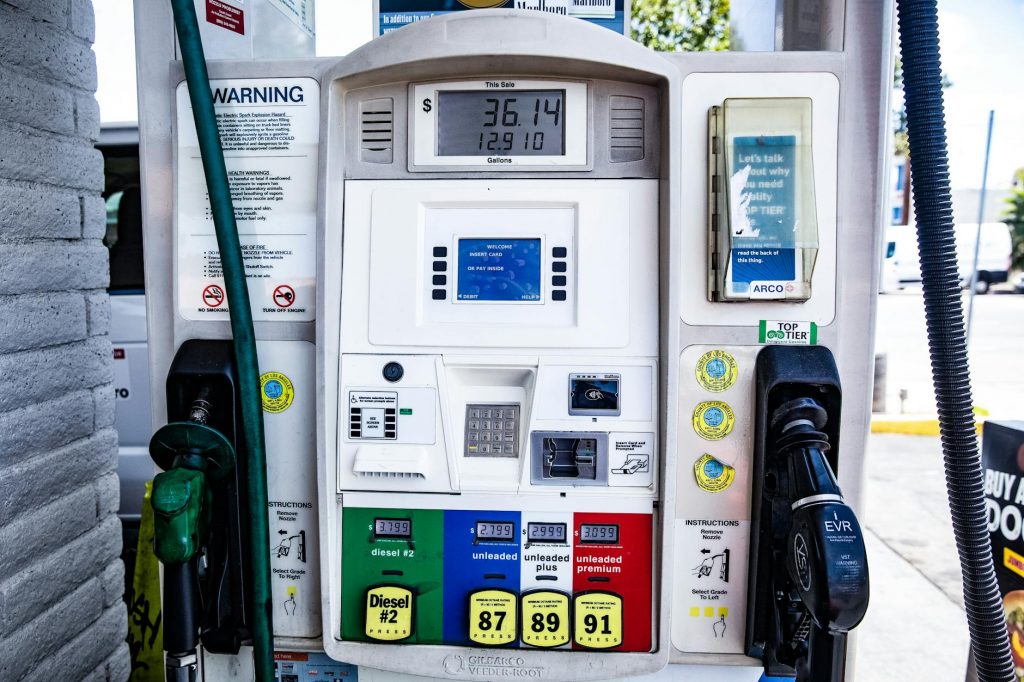
If you’ve filled up your diesel tank recently in Lucknow, you’ve probably noticed the numbers climbing at the pump. Diesel prices in the city continue to reflect the volatile global oil market, and understanding what’s happening can help you plan your fuel budget better.
Why Diesel Prices Keep Changing
Diesel prices in India aren’t set by individual petrol pumps — they’re determined by the government based on crude oil costs in the global market. When crude oil gets expensive internationally, Indians pay more at the pump. When it drops, we see some relief.
Lucknow, like most of Uttar Pradesh, follows the national pricing structure. The price you see today includes the cost of crude oil, refining charges, transportation, taxes, and the dealer’s margin. State taxes also play a role — different states charge different amounts.
What This Means for Your Wallet
For daily commuters and commercial vehicle owners, diesel costs directly impact your budget. A truck driver spending ₹5,000 monthly on fuel might see that jump to ₹5,500 if prices spike — that’s real money out of someone’s pocket.
Auto-rickshaw drivers in Lucknow often adjust their fares based on fuel prices, which means passengers feel the impact too. When diesel costs rise, travel becomes expensive for everyone.
The good news? You can now check current diesel rates online before heading to the pump. Many websites and apps provide real-time pricing across Indian cities, helping you plan ahead.
The Bigger Picture
Diesel is crucial for India’s economy. It powers trucks that transport goods, generators that provide backup power, and farm equipment in rural areas. When diesel becomes expensive, everything becomes expensive — from groceries to construction materials.
The government occasionally intervenes through subsidies or tax adjustments during extreme price spikes, but generally, prices follow global trends. India imports a significant portion of its oil, so we’re vulnerable to international market movements.
For Lucknow residents, keeping track of diesel prices helps with financial planning. If you’re buying a vehicle, knowing fuel trends might influence whether you choose diesel or petrol. If you’re running a business, higher fuel costs mean tighter margins.
The reality is that fuel prices will continue fluctuating based on global oil markets, geopolitical events, and supply chain disruptions. What matters for you right now is checking today’s rate before you fuel up and considering how fuel costs fit into your monthly expenses.
Stay informed about price movements — they affect everything from your commute to the food you buy.