
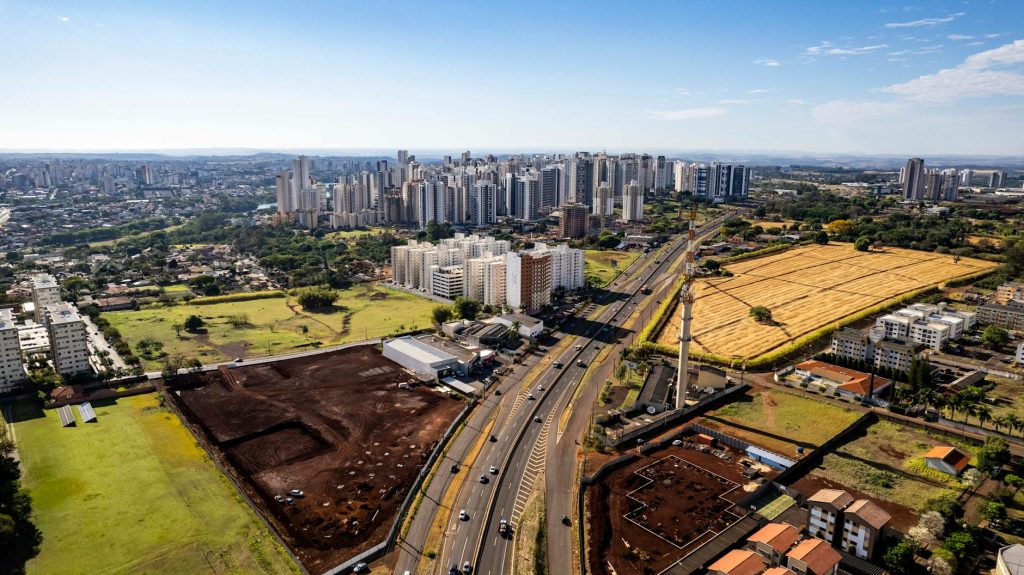
Remember when Lucknow was known mainly for its biryani and historical monuments? Things are changing fast. The city is now being positioned as a symbol of modern India—a place where old-world charm meets 21st-century infrastructure and opportunity.
Chief Minister Yogi Adityanath recently highlighted how Lucknow is undergoing rapid transformation. New metro systems, business districts, and tech hubs are coming up alongside the city’s famous Mughal heritage. It’s not just about breaking records anymore—it’s about creating a city where young professionals want to live and work.
What’s Actually Changing on the Ground
If you’ve visited Lucknow recently, you’d notice the development rush. Metro corridors are expanding, connecting different parts of the city faster than before. New startup ecosystems are emerging in tech parks. Better roads, improved water supply, and cleaner neighborhoods are becoming the norm rather than the exception.
The focus isn’t just on big projects. The government is also working on making city services more efficient—from property registration to business licensing. These changes might seem small, but they matter when you’re trying to move or start something new.
Employment is another big story. Manufacturing units, IT companies, and service sectors are setting up offices in Lucknow. Young graduates no longer feel they must leave for Delhi or Bangalore to build careers. That’s a genuine shift happening right now.
Why This Matters for the Rest of India
Lucknow’s transformation reflects a larger pattern across India. Tier-2 and Tier-3 cities are no longer sleeping towns waiting for investment. They’re becoming genuine alternatives to overcrowded metros. Better connectivity, lower costs, and improving quality of life are making them attractive.
The vision here is straightforward: distribute growth more evenly across the country instead of concentrating everything in Mumbai, Delhi, or Bangalore. When a city like Lucknow develops, it creates opportunities for surrounding areas too. Schools improve, hospitals get better equipped, and businesses flourish.
There’s also a cultural angle. Lucknow has centuries of history—the Awadhi language, classical music traditions, architectural gems. The idea is to preserve and celebrate this heritage while building modern infrastructure around it. That’s trickier than it sounds, but it’s the challenge city planners are taking on.
Real estate investors are already paying attention. Property prices are rising as confidence in the city’s future grows. It’s attracting both local investors and those looking beyond traditional hotspots.
None of this happens overnight. Cities take years—sometimes decades—to truly transform. But what’s clear is that Lucknow isn’t waiting on the sidelines anymore. It’s actively positioning itself as a modern city with roots, and that could be a template other Indian cities follow.