
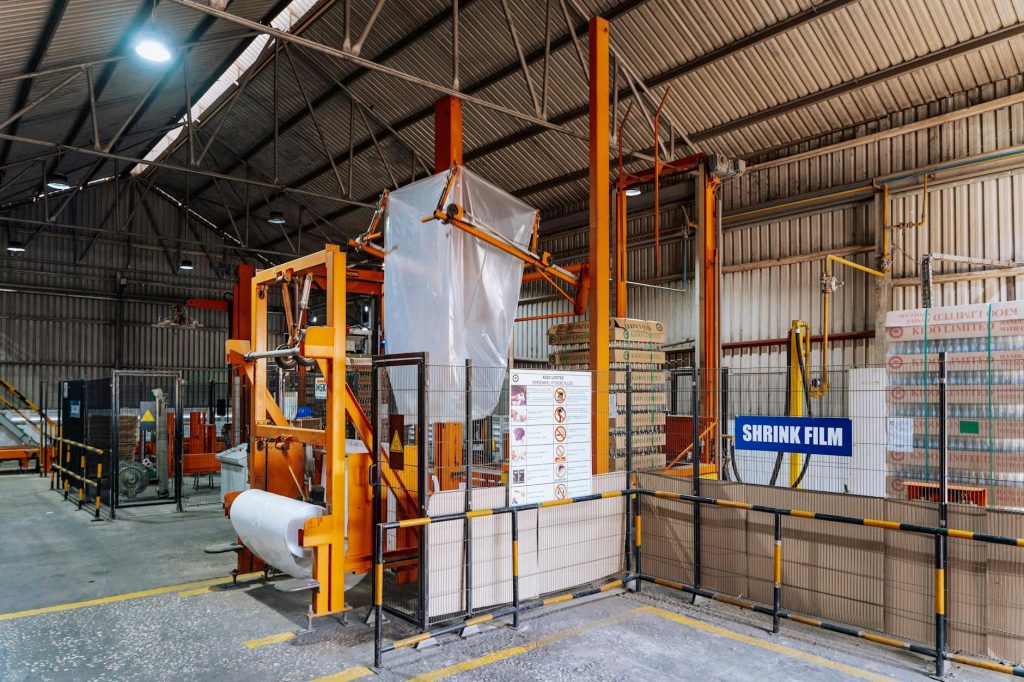
Mahindra has announced plans to build its largest manufacturing facility in Nagpur, Maharashtra. The company will invest significantly in this state-of-the-art factory, with production expected to kick off from 2028 onwards.
This isn’t just another factory announcement. Mahindra is betting big on India’s automotive future, and Nagpur is where they’re placing their chips.
Why This Matters for India
India’s automobile industry is shifting gears. With electric vehicles becoming mainstream and global companies relocating supply chains from China, domestic manufacturers need bigger, smarter factories.
Mahindra’s new facility in Nagpur will be their largest manufacturing base. This means thousands of jobs—from skilled engineers to factory workers to support staff. The ripple effects will benefit local communities, suppliers, and ancillary industries.
The facility will also position India as a global manufacturing hub. When international investors see major Indian companies investing heavily in domestic production, it sends a strong signal about India’s manufacturing capabilities and stability.
What Gets Made Here?
While details are still emerging, such large facilities typically produce multiple vehicle segments—SUVs, passenger cars, and potentially electric vehicles. Given Mahindra’s push into EVs and their portfolio of mass-market vehicles, expect a mix of conventional and electric models to roll out from this Nagpur plant.
The timing is strategic too. By 2028, electric vehicle adoption in India should be significantly higher than today. Mahindra will be ready to serve that demand with locally manufactured EVs, which means cheaper vehicles for Indian buyers.
What Happens Next?
From now until 2028, Mahindra will be setting up infrastructure, hiring talent, and installing equipment. The company will likely partner with local suppliers and vendors in Maharashtra, creating an entire ecosystem around the facility.
Government approvals and land acquisition are probably already underway. Construction of such a massive facility typically takes 2-3 years, which aligns with the 2028 production timeline.
For consumers, this is good news. More manufacturing capacity means more vehicle options, better prices due to local production, and faster delivery times. More jobs mean more people can afford to buy cars, which boosts the entire sector.
Mahindra’s Nagpur facility represents India’s growing confidence in its manufacturing prowess and the automotive industry’s transformation. The next few years will be crucial as the company builds what could become a benchmark for modern Indian manufacturing.