
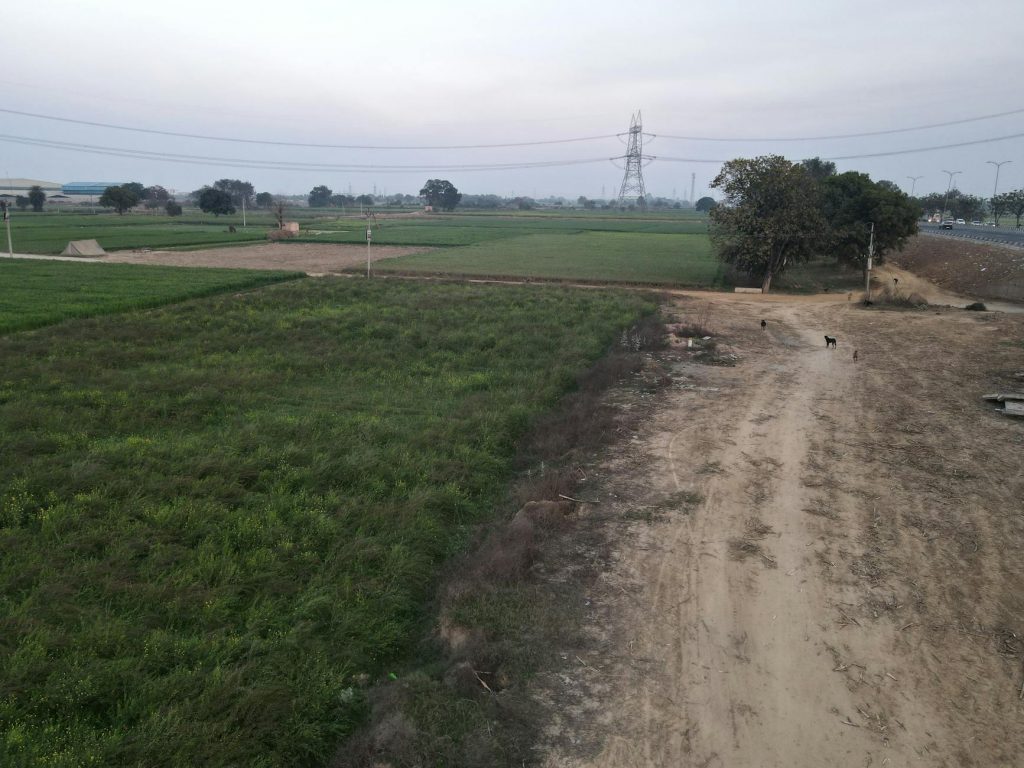
Is your city hotter than Nagpur right now? Probably not. The Maharashtra city just recorded 44.7 degrees Celsius, making it the hottest place in India at the moment. That’s the kind of heat that makes stepping outside feel like walking into an oven.
Nagpur, located in central India, regularly faces intense summer temperatures. But this reading is particularly severe, and it’s a wake-up call about how extreme our weather is becoming. For people living there, this heat means real challenges—from staying hydrated to keeping electricity bills manageable.
Why Is Nagpur So Hot?
Nagpur’s position in central India puts it in a region that gets scorching summers. The city sits away from coastal breezes that could provide some relief. During April and May, temperatures regularly soar above 40 degrees Celsius. This year seems to be pushing even those limits.
The broader context matters too. Much of India is experiencing an intense heat wave. Cities across Maharashtra, Madhya Pradesh, and other states are all reporting uncomfortably high temperatures. Climate patterns and seasonal weather cycles are combining to create this extreme situation.
What Does This Mean for People?
When temperatures hit 44-45 degrees, it’s not just uncomfortable—it becomes a health risk. Heat exhaustion and heat stroke become real dangers, especially for outdoor workers, elderly people, and children. The local administration usually advises people to stay indoors during peak afternoon hours, drink lots of water, and check on vulnerable neighbors.
Power consumption also spikes dramatically as everyone runs air conditioners and coolers. This puts strain on electricity grids across the state. Water supply can become an issue too, as demand skyrockets.
For daily life, this heat changes everything. Schools sometimes declare holidays. Construction work gets shifted to early mornings and evenings. People change their entire routine just to survive comfortably.
Business and economy also feel the impact. Agriculture suffers when temperatures get this extreme. Industries that depend on outdoor work slow down significantly.
What Happens Next?
Meteorologists are watching the weather patterns closely. Typically, monsoon rains are expected to arrive in the coming weeks, which would bring relief. Until then, people in Nagpur and other hot cities need to take precautions seriously.
The bigger question is whether these extreme temperatures are becoming more frequent. Climate scientists suggest that heat waves are intensifying across India. This means cities need better cooling centers, improved water management, and stronger warning systems.
If you’re in a hot region, stay hydrated, avoid unnecessary outdoor activities during peak heat hours, and look out for signs of heat-related illness in those around you. The next few weeks will test how well we’ve adapted to India’s changing climate.