
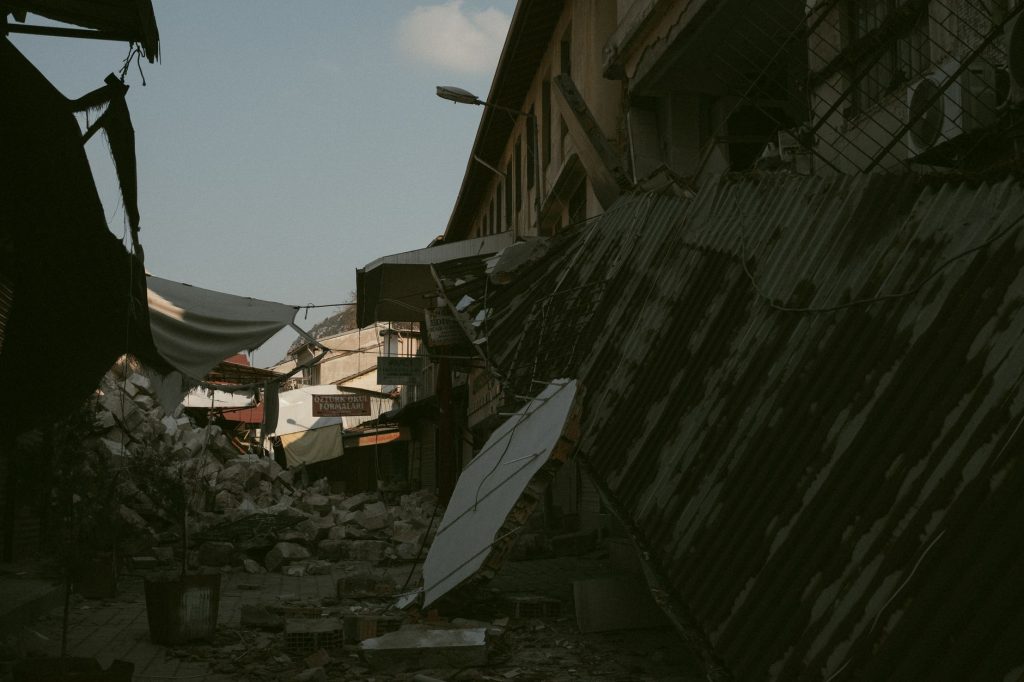
A powerful earthquake struck off the coast of Mindanao in the Philippines, sending shockwaves across the region and prompting tsunami warnings in several countries, including Japan, Malaysia, and Indonesia.
The massive quake, measuring 7.6 on the Richter scale, is one of the strongest to hit the Philippines in recent years, and its impact was felt thousands of miles away.
The Philippines is a country prone to earthquakes and volcanic eruptions due to its location in the Pacific Ring of Fire, where several tectonic plates meet, causing frequent seismic activity.
What Triggered the Quake?
The earthquake is believed to have been caused by movement along a fault line in the ocean floor, where the Philippine Sea plate is being pushed beneath the Eurasian plate.
This process, known as subduction, is a common geological phenomenon in the region, where the Pacific plate is being forced beneath other plates, resulting in earthquakes and volcanic activity.
Experts say that the quake was a reminder of the country’s vulnerability to natural disasters, particularly earthquakes, which can have devastating consequences for communities and infrastructure.
Tsunami Warnings Issued Across the Region
The Philippine Institute of Volcanology and Seismology (PHIVOLCS) issued a tsunami warning for several provinces in the country, advising residents to move to higher ground immediately.
Tsunami warnings were also issued in Japan, Malaysia, and Indonesia, where authorities are on high alert, ready to respond to any potential threat.
The Indian Ocean Tsunami Warning System, which is a network of monitoring stations and warning centres in several countries, is also on high alert, monitoring the situation closely.
What Does This Mean for Indians?
The earthquake and tsunami warnings in the Philippines remind us of the importance of disaster preparedness and emergency response in India.
India is also located in the Pacific Ring of Fire and is prone to earthquakes, tsunamis, and other natural disasters.
Experts say that the country needs to invest in disaster mitigation and preparedness measures, including early warning systems, evacuation drills, and emergency response plans, to protect its citizens and infrastructure.
The government and authorities must also work together to raise awareness about disaster risks and promote public education campaigns to prepare communities for potential disasters.
Moreover, the Indian Navy and Coast Guard must be equipped to respond quickly and effectively to any tsunami threat, working closely with international partners to provide timely warnings and support.
Ultimately, the earthquake in the Philippines serves as a wake-up call for India to take proactive steps to disaster preparedness and mitigation, ensuring the safety and well-being of its citizens.