
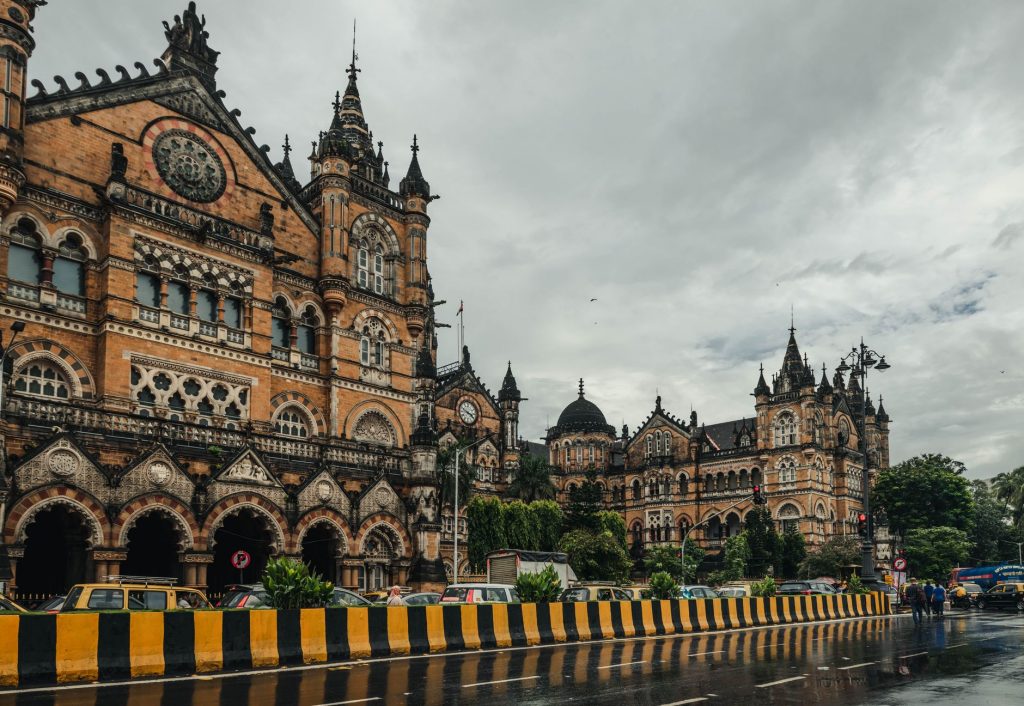
The city of Mumbai is facing its worst nightmare as heavy rains continue to batter the metropolis for the third consecutive day. The downpour has caused widespread disruption, bringing the city to a grinding halt and prompting emergency teams to spring into action.
Rain-Soaked Mumbai: The Situation on the Ground
Reports from the ground indicate that the situation is dire, with flooded roads, submerged vehicles, and stranded commuters being the norm. The city’s usually efficient public transportation system has been severely disrupted, leaving thousands of people stranded and frustrated. The rains have also caused a power blackout in many areas, plunging residents into darkness.
Emergency teams, including the Mumbai Municipal Corporation, the Indian Navy, and the National Disaster Response Force (NDRF), have been deployed across the city to assist in the relief efforts. These teams are working tirelessly to clear the roads, restore power, and provide assistance to those affected by the floods.
The rains have also caused significant damage to property, with many buildings and homes being flooded. Residents are being forced to evacuate their homes, and many have taken shelter in Relief Camps set up by the authorities. The government has also announced a compensation package for those affected by the floods.
The Indian Meteorological Department (IMD) has warned of more rains in the coming days, with some areas expected to receive up to 200 mm of rainfall. This has raised concerns about the city’s drainage system, which is already under immense pressure.
The situation in Mumbai is a stark reminder of the city’s vulnerability to extreme weather events. With a population of over 12 million, Mumbai is one of the most densely populated cities in the world. The city’s infrastructure is already overburdened, and the rains have exposed its weaknesses.
Why Mumbai’s Rains Matter
The Mumbai rains may seem like a local issue, but they have far-reaching implications for the country as a whole. Mumbai is the financial capital of India, and a prolonged disruption to the city’s economic activities can have a ripple effect on the entire economy.
The rains have also highlighted the need for better preparedness and infrastructure planning in the country. India is vulnerable to a range of natural disasters, including floods, droughts, and heatwaves. The government needs to take a more proactive approach to disaster management and infrastructure development.
The Mumbai rains are a wake-up call for the country to invest in disaster resilience and infrastructure development. By doing so, we can mitigate the impact of extreme weather events and ensure that our cities are better equipped to handle them.
The situation in Mumbai is a complex one, requiring a multi-faceted approach to address the challenges posed by the rains. The government, the public, and the private sector need to come together to support the relief efforts and work towards a more resilient future for the city.
What’s Next for Mumbai?
As the rains continue to batter the city, the focus shifts to relief and rehabilitation. The authorities are working to restore power, clear roads, and provide assistance to those affected by the floods.
The government has announced a series of measures to support the affected residents, including compensation packages, food aid, and shelter. The private sector has also stepped in, with many companies offering support and resources to the relief efforts.
As the city slowly returns to normal, the focus will shift to rebuilding and recovery. The government and the public will need to work together to ensure that the city is better prepared for future extreme weather events.
The Mumbai rains are a stark reminder of the importance of disaster resilience and infrastructure development. By learning from this experience, we can build a more resilient future for our cities and ensure that they are better equipped to handle the challenges posed by extreme weather events.