
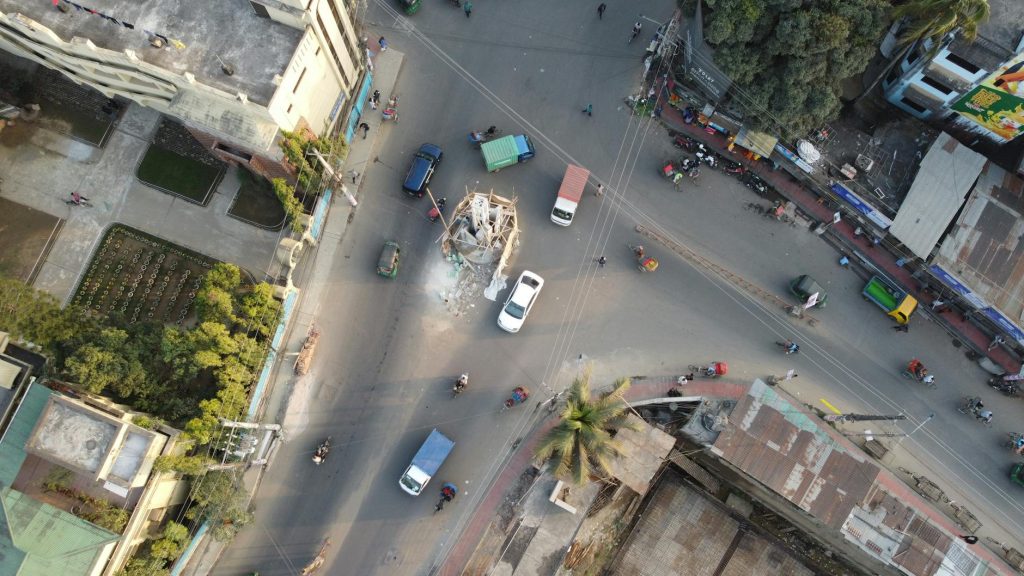
Picture this: a busy evening in Nagpur turns chaotic within minutes. Shops down shutters, families rush home, and the streets fill with tension. This isn’t a hypothetical scenario anymore. The city witnessed serious communal violence recently, and now Maharashtra’s political leadership is locked in a blame game that reveals deep fault lines in the state’s governance.
Deputy Chief Minister Devendra Fadnavis has called the Nagpur violence a “well-planned attack,” suggesting that the unrest wasn’t spontaneous but orchestrated with deliberate intent. His statement carries weight—he’s been vocal about maintaining law and order, and this characterization signals his government’s view that external forces may have triggered the violence rather than local tensions spiraling out of control.
The Opposition, however, isn’t buying this narrative. They’ve quickly pivoted to blame the government itself, arguing that administrative failures and communal polarization created the conditions for violence to erupt. This counter-accusation strikes at the heart of Maharashtra politics: can the government maintain peace, or is it complicit in allowing tensions to boil over?
The Pattern That Troubles Citizens
What’s troubling for ordinary Nagpur residents is that this finger-pointing has become predictable. Every communal flare-up triggers the same cycle: authorities claim it’s organized trouble, the Opposition blames governance failures, and meanwhile, the real victims—shopkeepers who lost stock, families traumatized by violence, and communities living in fear—are left without answers.
Fadnavis’s assertion of a “well-planned” attack does raise legitimate questions about intelligence and prevention. If there were advance warnings, why weren’t they acted upon? If not, how prepared is the state’s security apparatus? These aren’t rhetorical questions—they directly affect whether citizens feel safe in their neighborhoods.
What Happens Next Matters
The Opposition’s argument that the government bears responsibility for the environment in which violence occurs also deserves scrutiny. Political rhetoric, administrative apathy toward minor communal tensions, and delayed action on complaints can collectively create a powder keg.
Here’s what’s clear: Maharashtra’s leadership needs to move beyond blame quickly. The state has weathered communal tensions before, but each incident erodes public confidence in institutions. Whether the violence was planned or spontaneous, whether it stems from government inaction or orchestration, the people affected deserve accountability and protection.
As investigations unfold and more details emerge, both the government and Opposition must focus on preventing the next incident rather than winning the current argument. Nagpur’s stability—and Maharashtra’s reputation as a progressive state—depends on it.