
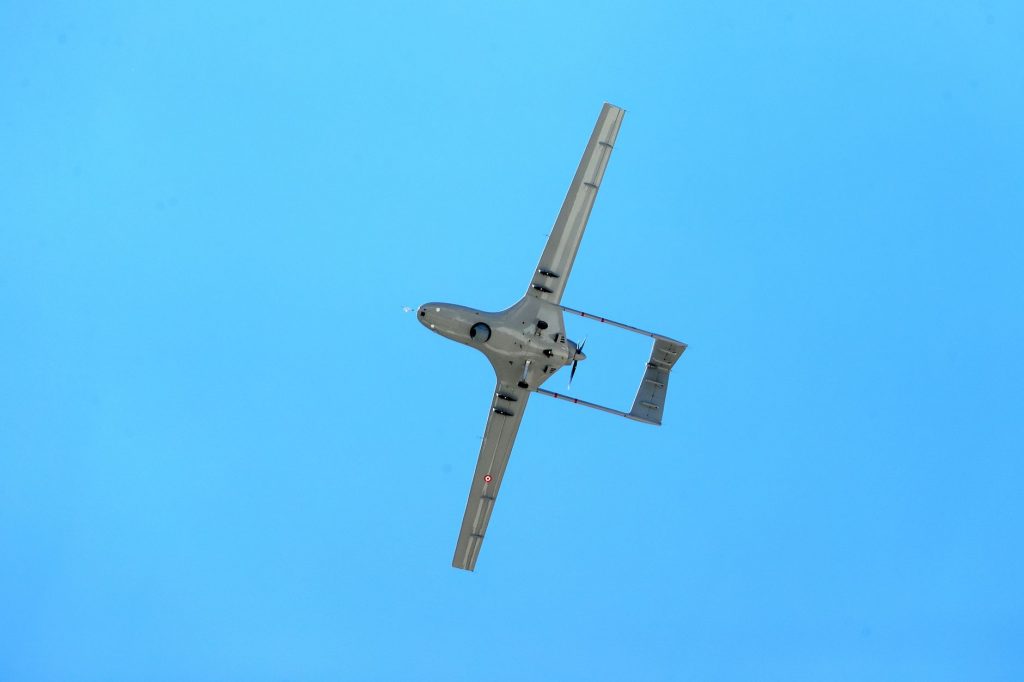
A major incident shook the Indian Navy yesterday when one of its Unmanned Aerial Vehicles (UAVs) crashed in a remote area near Porbandar in Gujarat. According to sources, the drone was on a routine surveillance mission when it lost contact with the ground control station.
The incident occurred in the evening, around 7 pm, when the UAV was flying over the coastal region of Porbandar. Eyewitnesses claim that the drone suddenly plummeted to the ground, leaving behind a trail of debris. Fortunately, no one was injured in the crash, and the cause of the incident is yet to be determined.
What Could Have Gone Wrong?
While the Indian Navy has a reputation for being one of the most advanced and efficient armed forces in the world, the recent UAV crash raises questions about the safety and reliability of its equipment. The incident has sparked concerns about the potential risks associated with the use of drones in military operations.
Experts point out that the Indian Navy’s UAVs are equipped with state-of-the-art technology, including advanced sensors and communication systems. However, they also note that the reliability of these systems can be affected by various factors, including weather conditions, human error, and technical malfunctions.
The incident has also highlighted the need for the Indian Navy to invest in more robust and reliable UAVs. With the increasing use of drones in military operations, the need for advanced and reliable technology has become more pressing than ever before.
What’s Next?
The Indian Navy has launched an investigation into the incident, and officials are working to determine the cause of the crash. In the meantime, the Navy has suspended all UAV operations in the region until further notice.
While the incident is a setback for the Indian Navy, it also presents an opportunity for the force to learn from its mistakes and improve its procedures. As the use of drones continues to grow, the Navy will need to adapt and evolve to stay ahead of the curve.
The incident serves as a reminder of the importance of investing in advanced technology and ensuring the safety and reliability of military equipment. As the Indian Navy continues to play a critical role in national security, it will need to prioritize innovation and risk management to stay ahead of the competition.
A Lesson in Safety and Reliability
The recent UAV crash near Porbandar serves as a timely reminder of the importance of safety and reliability in military operations. As the Indian Navy continues to invest in advanced technology, it will need to prioritize the well-being of its personnel and the safety of its equipment.
The incident highlights the need for a more robust and reliable UAV fleet, as well as the importance of investing in advanced training and maintenance procedures. By learning from its mistakes, the Indian Navy can improve its procedures and ensure that such incidents are avoided in the future.
As the use of drones continues to grow, the Indian Navy will need to stay ahead of the curve and prioritize innovation and risk management. By doing so, it can ensure the safety and reliability of its equipment and continue to play a critical role in national security.