
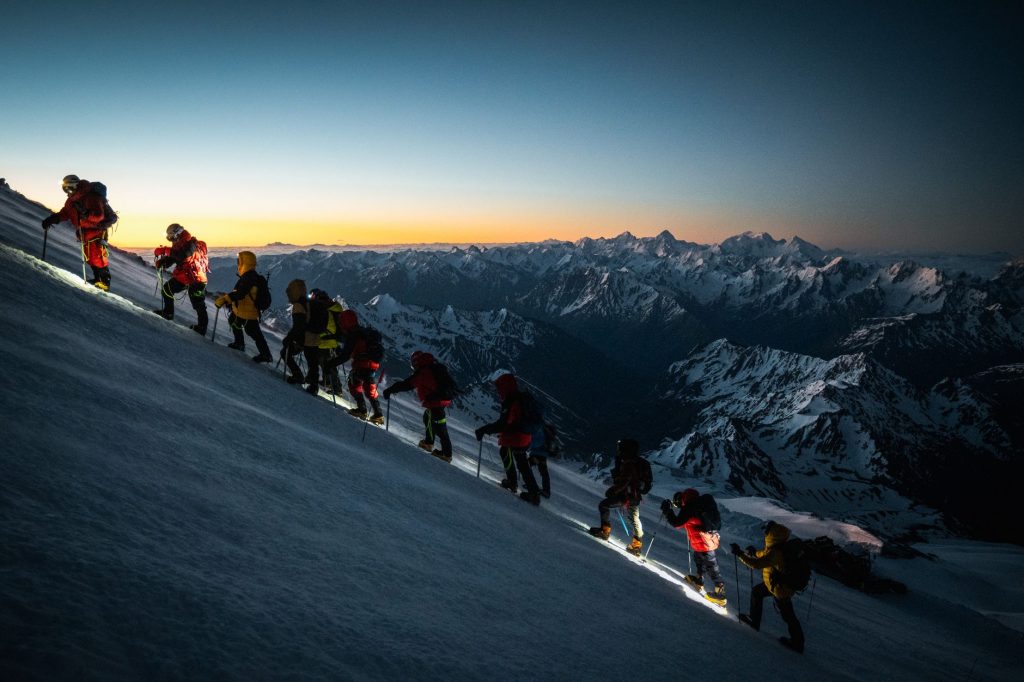
A devastating avalanche in the mountainous region of Pakistan has claimed the lives of 10 people, including Nirmal ‘Nims’ Purja, a renowned Nepali mountaineer who has conquered some of the world’s highest peaks.
Purja, a former British Gurkha soldier and holder of the Guinness World Record for climbing the 14 highest peaks in the world in just 6 months and 6 days, was part of an expedition team that was attempting to ascend the treacherous Nanga Parbat mountain when the avalanche struck.
The disaster occurred on a remote mountain slope in the Gilgit-Baltistan region, where extreme weather conditions and rugged terrain often make it challenging for climbers to navigate.
Pakistan’s military confirmed the incident, stating that rescue teams were dispatched to the location, but unfortunately, they were unable to reach the stranded climbers in time.
Nanga Parbat, also known as the ‘Killer Mountain,’ is one of the highest peaks in Pakistan and has claimed the lives of many climbers over the years due to its steep slopes and unpredictable weather.
Nirmal Purja: A Climbing Legend
Nirmal Purja, 43, has made headlines globally for his record-breaking climbs. Born in Myagdi, Nepal, he served in the British Army for over a decade before transitioning to a career in mountaineering.
Purja’s most notable achievement was climbing the 14 highest peaks in the world, a feat he accomplished in an unprecedented 6 months and 6 days. This record earned him international recognition and several awards, including the prestigious Piolet d’Or.
Nirmal Purja was also an inspiration to many young climbers in India, who looked up to him as a role model for his determination and skill.
What Does This Mean for Indians?
The loss of Nirmal Purja is a tragic reminder of the risks and challenges that climbers face when tackling the world’s highest peaks.
For Indians, this incident serves as a wake-up call to re-evaluate their own climbing expeditions and take necessary precautions to ensure their safety.
As India continues to emerge as a major player in global mountaineering, it’s essential to learn from international best practices and invest in the development of specialized climbing infrastructure and training programs.
In the aftermath of this tragic incident, the Indian government and mountaineering community must come together to provide support to Purja’s family and loved ones, while also reiterating the importance of safety and responsible climbing practices.
The passing of Nirmal Purja is a significant loss for the climbing community worldwide, and his legacy will continue to inspire future generations of climbers to push beyond their limits and achieve greatness.
As we mourn the loss of this incredible mountaineer, we must also take a moment to reflect on the risks and challenges that climbers face, and work towards creating a safer and more supportive environment for all climbers.