
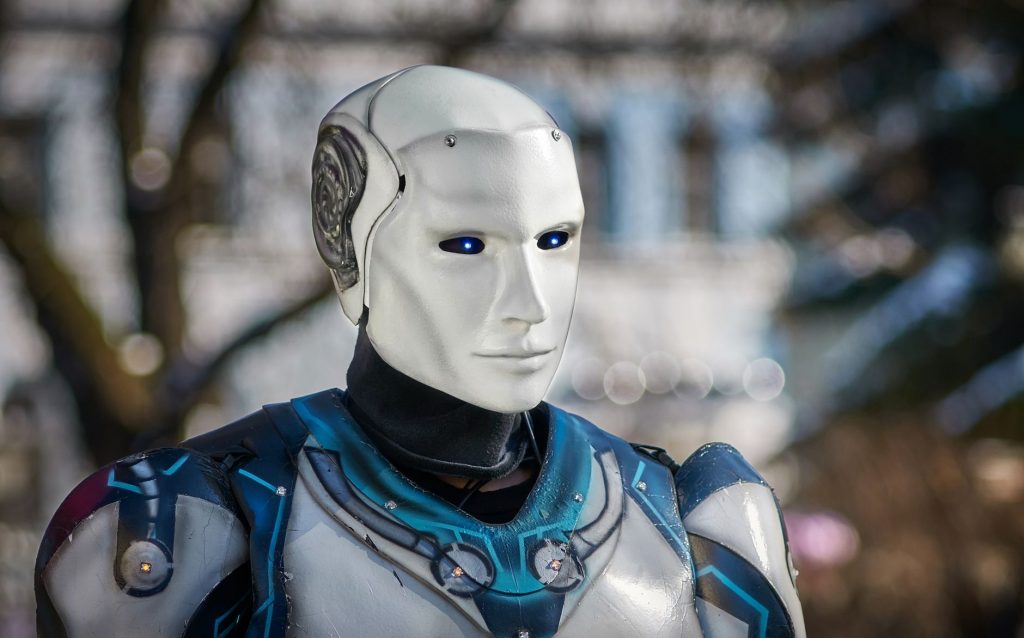
Imagine walking into a crowded street in Mumbai, surrounded by billboards and street vendors. But amidst all the hustle and bustle, there’s a subtle threat lurking in the shadows. It’s not a thief or a pickpocket, but a force that’s changing the way we live, work, and interact with each other – Artificial Intelligence (AI).
Acclaimed director Christopher Nolan, known for his thought-provoking films like ‘Inception’ and ‘Interstellar’, has sounded a warning about the dangers of AI. In a recent interview, Nolan drew parallels between AI and the ancient Greek myth of the Trojan Horse. For those who may not be familiar, the Trojan Horse was a clever ruse by the Greeks to infiltrate the city of Troy. It was a giant wooden horse that looked harmless from the outside, but hid a deadly secret – a group of Greek warriors inside, waiting to strike.
A Glass Trojan Horse: Nolan’s Warning
Nolan compared AI to a ‘glass Trojan Horse’, implying that just as the Greeks were hiding inside the wooden horse, AI may be hiding its true intentions behind a façade of convenience and efficiency. The director’s concern is that AI has become so pervasive in our lives that we’re no longer thinking critically about its implications. We’re like the Trojans, welcoming the ‘gift’ of AI without realizing the potential risks it poses.
The warning signs are already there. From self-driving cars to personalized recommendations on Netflix, AI is seamlessly integrating itself into our daily lives. But Nolan’s ‘glass Trojan Horse’ analogy highlights the need for caution. Just as the Greeks inside the horse were a surprise to the Trojans, AI’s true intentions may surprise us in ways we can’t even imagine.
Elon Musk’s AI Odyssey
Interestingly, Elon Musk, the visionary entrepreneur behind SpaceX and Tesla, has also been exploring the possibilities of AI. He’s even attempted to create an AI-generated version of Homer’s epic poem, ‘The Odyssey’. While Musk’s project is an impressive example of AI’s capabilities, Nolan’s warning serves as a reminder that we need to be mindful of the potential consequences of AI’s rise.
Nolan’s ‘glass Trojan Horse’ analogy is a timely warning that resonates with the Indian context. As AI becomes increasingly integrated into our lives, we need to be aware of its potential risks and consequences. We need to think critically about how AI is changing us, and whether we’re ready for the implications that come with it.
Expert opinion suggests that Nolan’s warning is more than just a metaphorical expression. ‘The analogy of the ‘glass Trojan Horse’ highlights the need for transparency and accountability in AI development,’ says Dr. Rohini Singh, a leading AI researcher at the Indian Institute of Technology (IIT) Delhi. ‘We need to ensure that AI is developed with the public’s trust in mind, rather than just its convenience and efficiency.’
What’s Next for AI?
As AI continues to shape our world, Nolan’s warning serves as a timely reminder of the need for caution. We need to be aware of the potential risks and consequences of AI’s rise, and work towards developing AI that’s transparent, accountable, and beneficial to society. The fate of AI – and our world – hangs in the balance, and it’s up to us to ensure that we’re not walking into a trap.