
Are India’s renewable energy targets a game-changer for the country’s economic future? As India continues to grapple with the challenges of climate change and energy security, Prime Minister Narendra Modi has unveiled a new ambitious plan to boost renewable energy production.
The plan, which is expected to be a major game-changer for India’s energy sector, aims to increase the share of renewable energy in the country’s energy mix from 21% to 40% by 2030. This is in line with India’s commitment under the Paris Agreement to reduce greenhouse gas emissions and mitigate the impacts of climate change.
The plan, which was announced by PM Modi at a recent event, includes a range of measures to promote the use of solar and wind power, including tax incentives, subsidies, and investment in infrastructure. The government has also set a target of generating 450 GW of renewable energy by 2030, up from the current level of 140 GW. This is expected to create millions of new jobs and stimulate economic growth in rural areas.
What’s Driving India’s Renewable Energy Ambition?
India’s renewable energy ambition is driven by a range of factors, including the need to reduce dependence on fossil fuels, mitigate the impacts of climate change, and stimulate economic growth. The country’s energy sector is expected to play a key role in achieving its development goals, including reducing poverty and inequality.
In recent years, India has made significant progress in promoting the use of renewable energy, including solar and wind power. The country has set ambitious targets for renewable energy production, including a target of generating 100 GW of solar power by 2022. However, despite these efforts, India still relies heavily on fossil fuels, which account for over 70% of the country’s energy mix.
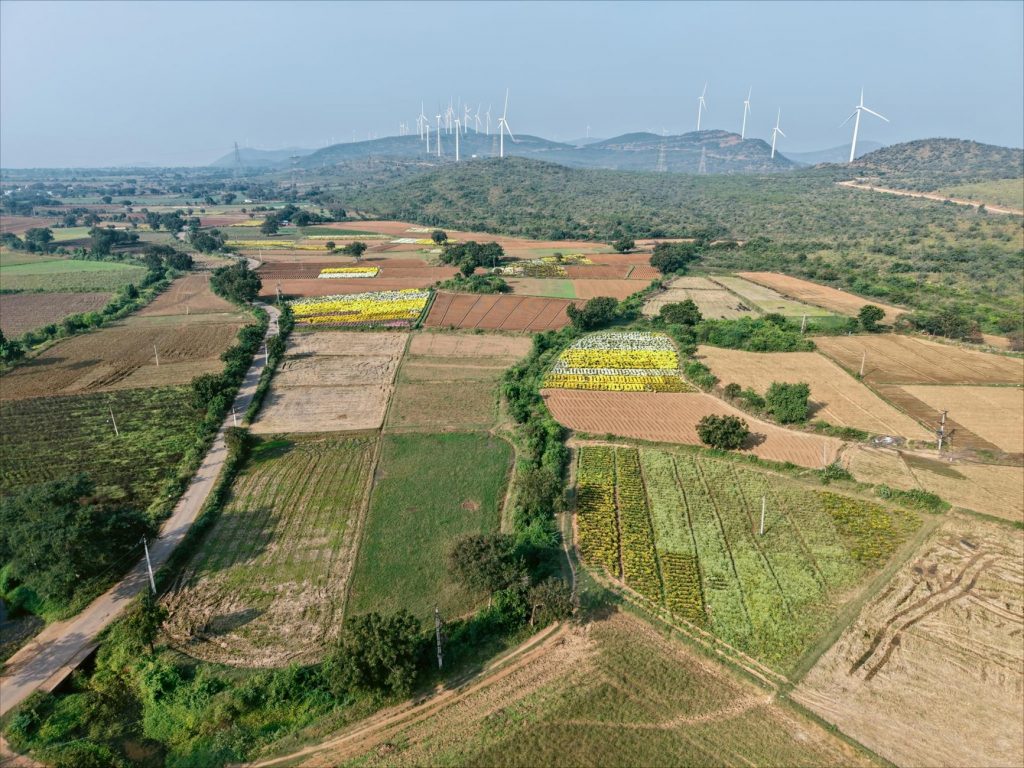
The new plan is expected to address this gap by promoting the use of renewable energy in rural areas, where access to electricity is limited. The government has also announced plans to invest in infrastructure, including transmission lines and energy storage systems, to support the growth of renewable energy.
What’s at Stake?
The success of India’s renewable energy plan is crucial for the country’s economic future. The plan is expected to create millions of new jobs, stimulate economic growth in rural areas, and reduce dependence on fossil fuels. However, the plan also faces significant challenges, including high costs, lack of infrastructure, and policy uncertainty.
In order to succeed, the government will need to address these challenges and create a favorable policy environment for the growth of renewable energy. This will require a range of measures, including tax incentives, subsidies, and investment in infrastructure. The government will also need to engage with stakeholders, including industry leaders, civil society organizations, and local communities, to build support for the plan.
Finally, the success of the plan will depend on the country’s ability to transition to a low-carbon economy. This will require significant investments in renewable energy, energy efficiency, and green infrastructure. The government will need to work with industry leaders and international partners to develop the necessary technologies and expertise to support this transition.
What’s Next?
The implementation of India’s renewable energy plan is expected to be a complex and challenging process. The government will need to work with stakeholders, including industry leaders, civil society organizations, and local communities, to build support for the plan and address the challenges that it faces.
In the coming months, the government will need to announce a range of measures to support the growth of renewable energy, including tax incentives, subsidies, and investment in infrastructure. The government will also need to engage with international partners, including the European Union, the United States, and China, to develop the necessary technologies and expertise to support the transition to a low-carbon economy.
The success of India’s renewable energy plan is crucial for the country’s economic future. The plan is expected to create millions of new jobs, stimulate economic growth in rural areas, and reduce dependence on fossil fuels. However, the plan also faces significant challenges, including high costs, lack of infrastructure, and policy uncertainty.
In order to succeed, the government will need to address these challenges and create a favorable policy environment for the growth of renewable energy. This will require a range of measures, including tax incentives, subsidies, and investment in infrastructure. The government will also need to engage with stakeholders, including industry leaders, civil society organizations, and local communities, to build support for the plan.