
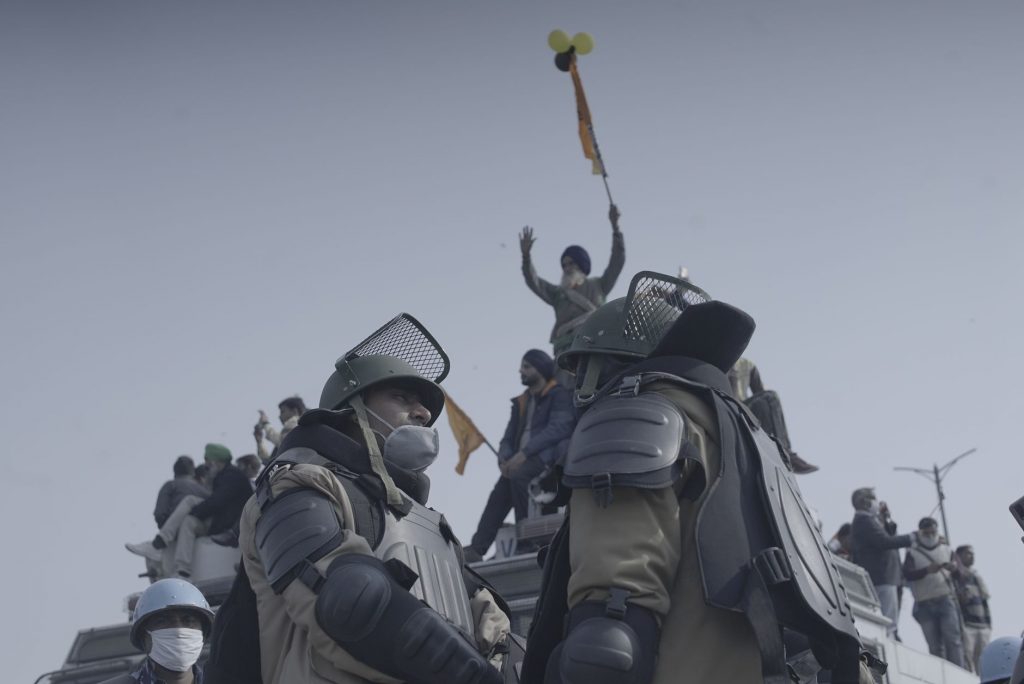
As India grapples with its contentious ‘cockroach’ protest, a question on everyone’s mind is: what does the future hold for the nation’s education system?
In recent days, a massive outcry erupted across the country as students, parents, and educators came together to condemn the government’s decision to introduce a new national education policy.
At the center of the controversy was Union Education Minister Dharmendra Pradhan, who faced widespread criticism for his handling of the situation.
Now, with Pradhan’s sudden resignation from his post, the protest has been called off, but many are left wondering whether this marks the end of the controversy or simply a new chapter in the ongoing saga.
To understand the context, it’s essential to revisit the events that led to the protest. The government’s proposed education policy aimed to bring about sweeping changes to the country’s education system, with a focus on promoting Indian knowledge systems and values.
However, critics argued that the policy would undermine the country’s existing education infrastructure and create undue obstacles for students. The protests, led by students and their families, gained momentum as the government refused to budge on its stance.
As tensions escalated, the situation began to spiral out of control, with allegations of police brutality and student violence making headlines. The government, meanwhile, insisted that it was committed to implementing the policy and that the protests were nothing more than a ‘misguided’ attempt to derail the nation’s progress.
But behind the scenes, a power struggle was brewing within the government. Sources close to the situation revealed that Pradhan’s resignation was a result of internal conflicts within the ruling party, with some leaders questioning his handling of the crisis.
The resignation has sparked a fresh debate about the government’s priorities and the future of India’s education system. While some have welcomed the decision, others have expressed concerns that the move may be a short-term solution to a long-term problem.
The ‘Cockroach’ Protests: A Brief History
The term ‘cockroach’ protests, coined by the media, refers to the widespread demonstrations and agitations that have gripped the nation. The protests, which began in the southern state of Kerala, quickly spread to other parts of the country, with students and their families taking to the streets to express their discontent.
The protests were marked by intense scenes of student violence, with reports of police brutality and vandalism making headlines. The government, meanwhile, insisted that the protests were nothing more than a ‘misguided’ attempt to derail the nation’s progress.
Despite the controversy, the ‘cockroach’ protests have also sparked a renewed debate about the country’s education system. Critics argue that the government’s policy is out of touch with the needs of Indian students, who are increasingly seeking better opportunities abroad.
The Way Forward
As the dust settles on the ‘cockroach’ protests, many are left wondering what the future holds for India’s education system. Will the government revisit its policy, or will the protests have a lasting impact on the nation’s education landscape?
One thing is certain: the controversy has highlighted the need for a more inclusive and participatory approach to education policy-making. By engaging with students, parents, and educators, the government can create a more responsive and effective education system that truly serves the needs of India’s students.
Ultimately, the ‘cockroach’ protests may have been a necessary wake-up call for the government, but they also pose a challenge for the nation’s leaders. Will they rise to the occasion and create a more inclusive and equitable education system, or will they continue to prioritize their own interests over the needs of Indian students?
Only time will tell, but one thing is clear: the ‘cockroach’ protests will have a lasting impact on India’s education landscape, and the country’s leaders would do well to take heed of the lessons learned from this controversy.
The Road Ahead
As India looks to the future, it’s essential to remember that the ‘cockroach’ protests are just the tip of the iceberg. The country faces numerous challenges, from rising inequality to environmental degradation, and a more effective education system will be crucial in addressing these issues.
By learning from the ‘cockroach’ protests, India can create a more inclusive and participatory approach to education policy-making, one that truly serves the needs of its students and the nation as a whole.