
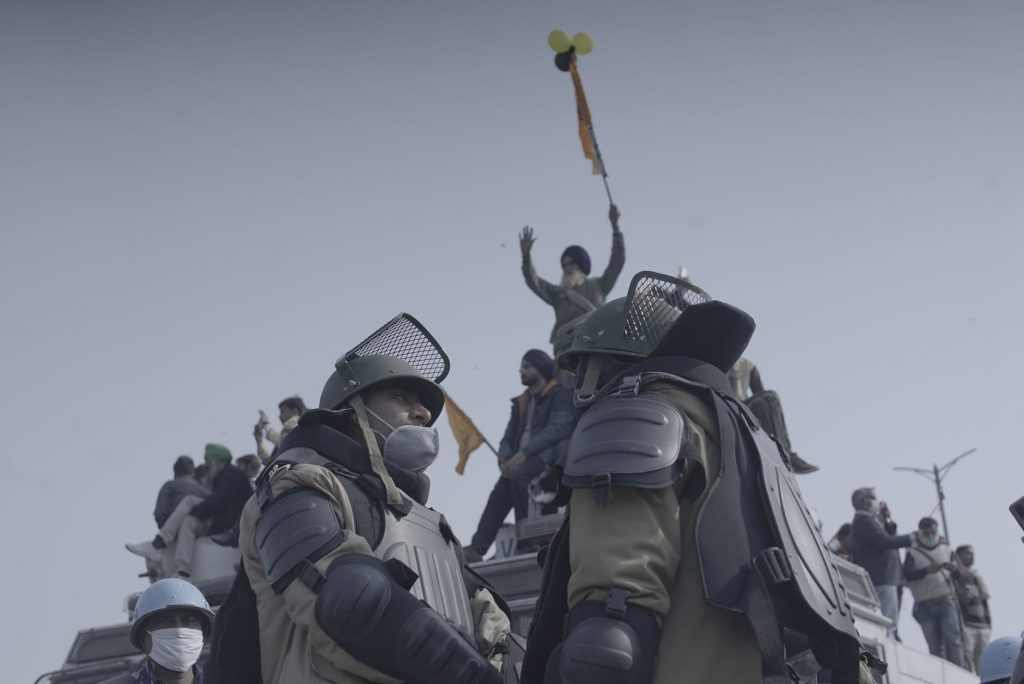
A chaotic scene unfolded in the heart of India’s capital as police clashed with protesters who took to the streets under the banner of ‘Cockroaches’, a term they use to describe the Indian government. The protests, which began as a peaceful gathering, quickly turned violent as police fired tear gas to disperse the crowd.
At the epicenter of the unrest is a group of young Indians who feel disillusioned with the current state of affairs in the country. They accuse the government of corruption, inefficiency, and a lack of empathy towards the poor and marginalized. The group’s choice of name ‘Cockroaches’ is a scathing indictment of the government’s handling of various issues, including the rising cost of living, unemployment, and inequality.
The Spark That Ignited the Protests
The protests were sparked by a series of incidents that have left the public feeling frustrated and helpless. The government’s handling of the COVID-19 pandemic has been widely criticized, with many accusing it of being slow to respond and inept in its management of the crisis. The economic downturn that has followed has only added to the growing sense of discontent among the population.
The ‘Cockroaches’ group, which has been active on social media for several months, has been at the forefront of the protests. Their message of change and reform has resonated with many young Indians who feel that the government is out of touch with their needs and concerns. The group’s leaders, who wish to remain anonymous, say that they are determined to bring about a revolution that will transform India into a more just and equal society.
The Role of Social Media
Social media has played a significant role in the protests, with the ‘Cockroaches’ group using platforms like Twitter and Facebook to spread their message and mobilize support. The group’s leaders have been active on social media, posting updates and videos that have helped to galvanize public opinion in their favor. The government, on the other hand, has been criticized for its slow response to the protests, with many accusing it of trying to silence the group through intimidation and censorship.
As the protests continue, social media has become a battleground between the ‘Cockroaches’ group and the government. The group has accused the government of trying to manipulate public opinion by spreading false information and propaganda. The government, on the other hand, has accused the group of inciting violence and promoting hatred.
The Way Forward
The future of the protests remains uncertain, with the government and the ‘Cockroaches’ group locked in a battle of wills. The government has promised to address the concerns of the protesters, but many are skeptical of its intentions. The protests are likely to continue, with the ‘Cockroaches’ group determined to bring about change and the government determined to maintain its grip on power.
In the midst of the chaos, one thing is clear: the protests are a symptom of a deeper malaise that afflicts Indian society. The country is facing a crisis of governance, with a government that is out of touch with the needs and concerns of its people. The ‘Cockroaches’ group may be a radical force, but it is also a reflection of the frustration and disillusionment that many Indians feel towards their government.
The question now is whether the government will listen to the concerns of the protesters and make meaningful reforms, or whether it will continue to try to silence them through intimidation and censorship. One thing is certain: the protests will continue until the government addresses the concerns of the people.
As the situation unfolds, one thing is clear: the future of India hangs in the balance. Will the government be able to contain the protests and maintain its grip on power, or will the ‘Cockroaches’ group succeed in bringing about the change that they seek? Only time will tell.