
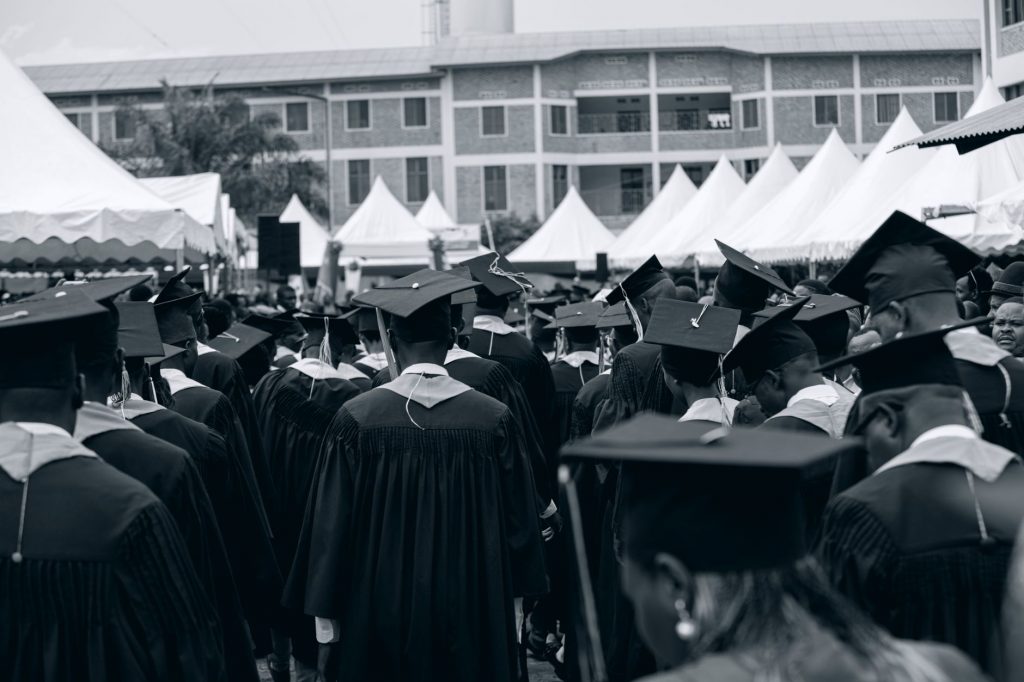
The Tata Institute of Social Sciences (TISS) has postponed its convocation ceremony, which was scheduled to take place on August 1. The decision to postpone the event was made due to concerns about potential protests that could disrupt the proceedings.
The institute had announced that the Chief Justice of India, Uday Umesh Lalit, was to be the chief guest at the convocation. The ceremony was expected to be a grand affair, with several dignitaries and guests in attendance.
Why Was the Convocation Postponed?
According to sources, the decision to postpone the convocation was taken after several student groups expressed their intent to protest against the institute’s administrative policies. The protests were reportedly planned to coincide with the start of the convocation ceremony.
While the institute has not released an official statement on the matter, insiders suggest that the authorities were aware of the potential for protests and decided to err on the side of caution. By postponing the convocation, the institute is said to be avoiding a potentially volatile situation.
TISS Students and the Protests
The Tata Institute of Social Sciences has been at the center of several controversies in recent years, with students and faculty members expressing their dissatisfaction with the institute’s policies and administration. The protests planned for the convocation are said to be a manifestation of these grievances.
Student groups have been demanding reforms in the institute’s administrative policies, including the implementation of a more transparent and accountable governance system. They have also been pushing for better infrastructure and facilities for students.
What’s Next for TISS?
The postponement of the convocation has sparked a heated debate on social media, with many students and alumni expressing their disappointment and frustration. Some have questioned the institute’s decision to postpone the event, while others have praised the authorities for taking a precautionary measure.
The institute is expected to announce a new date for the convocation soon. In the meantime, students and faculty members are likely to continue their protests and demands for reforms. The situation is likely to remain tense until a resolution is reached.
The postponement of the convocation has also raised questions about the institute’s handling of protests and dissent. Many have pointed out that the institute has a history of suppressing student voices and dissenting opinions.
As the situation unfolds, it remains to be seen how TISS will handle the protests and demands for reforms. Will the institute listen to the voices of its students and faculty members, or will it continue to maintain its strict administrative policies?