
Trump Throws Cold Water on Iran Agreement
US President Donald Trump has stunned the world by rejecting an alleged agreement between Iran and the US to end the ongoing war in the region. According to reports, Trump claims that the deal was not as rosy as Iranian state media had portrayed it, citing concerns over Iran’s nuclear programme.
The developments come at a time when tensions between the US and Iran have been escalating over the past few years, with both sides accusing each other of aggression. The conflict has its roots in 2018 when the US withdrew from the Joint Comprehensive Plan of Action (JCPOA), a landmark agreement aimed at restricting Iran’s nuclear ambitions.
The JCPOA, signed in 2015, was a result of years of negotiations between Iran, the US, and other world powers. Under the deal, Iran agreed to limit its nuclear activities in exchange for relief from economic sanctions. However, the US withdrew from the agreement in 2018, citing concerns that Iran was not complying with the terms of the deal.
Since then, tensions have continued to rise, with the US imposing harsh sanctions on Iran and Iran retaliating with missile attacks on US targets in Iraq. The situation took a turn for the worse in January 2020, when the US killed top Iranian military commander Qasem Soleimani in a drone strike, prompting Iran to launch missile attacks on US bases in Iraq.
Now, with the alleged agreement between the US and Iran, it seems that a glimmer of hope has emerged for a peaceful resolution to the conflict. However, Trump’s rejection of the deal has cast a shadow over the prospects of a lasting peace.
Background to the Conflict
The conflict between the US and Iran has its roots in 1979 when Iran’s Islamic revolution overthrew the Shah, a key US ally. Since then, the two countries have had a complex and often contentious relationship. The US has been critical of Iran’s human rights record, its support for militant groups in the region, and its nuclear ambitions.
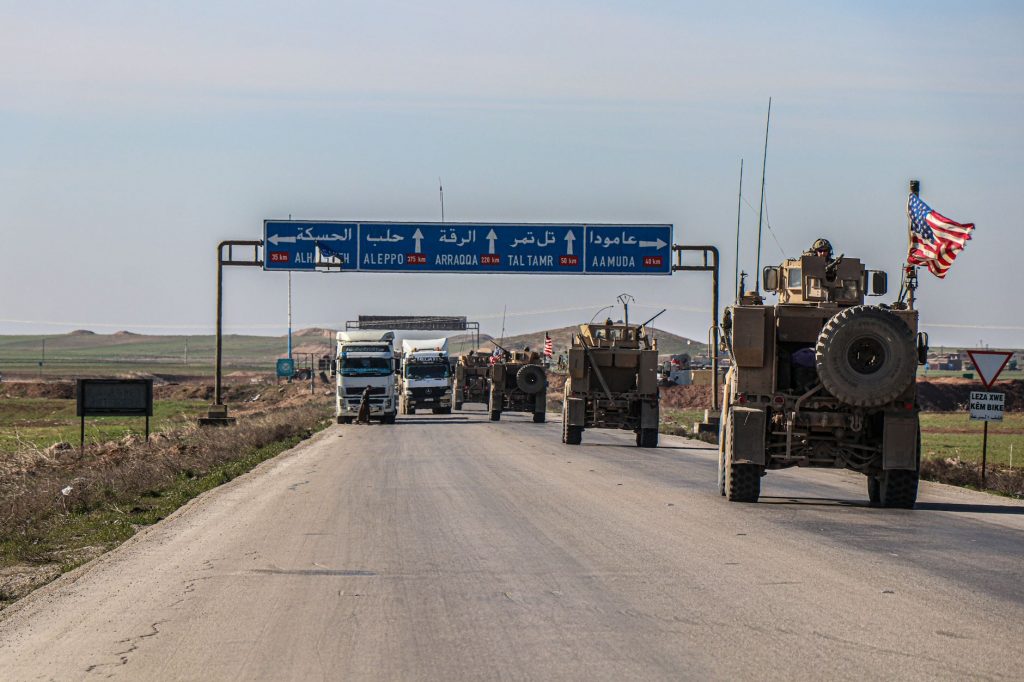
Iran, on the other hand, has accused the US of interfering in its internal affairs, supporting its enemies, and seeking to undermine its sovereignty. The conflict has been further complicated by the presence of US military forces in the region, including in Iraq and Syria.
The US withdrawal from the JCPOA in 2018 was a major turning point in the conflict, as it emboldened hardline factions in Iran to pursue a more aggressive foreign policy. The US has since imposed harsh sanctions on Iran, aiming to cripple its economy and force it to return to the negotiating table.
Iran, however, has refused to back down, insisting that its nuclear programme is for peaceful purposes only. The country has also accused the US of violating the terms of the JCPOA, citing the US withdrawal from the deal as a clear example of its bad faith.
What Does it Mean for India?
For India, the developments in the US-Iran conflict are a cause for concern. India has long maintained good relations with both the US and Iran, and has sought to maintain its independence in the face of rising tensions in the region.
India has significant economic interests in the region, including oil imports from Iran and trade ties with the US. A prolonged conflict between the two countries could have serious implications for India’s economy and security.
At the same time, India has been critical of Iran’s human rights record and its support for militant groups in the region. The country has also called for restraint from all parties involved in the conflict, seeking to maintain stability in the region.
As the situation continues to unfold, India will closely watch the developments and assess its options. The country may seek to engage with both the US and Iran, aiming to promote peace and stability in the region.
In conclusion, the rejection of the alleged agreement between the US and Iran has cast a shadow over the prospects of a lasting peace in the region. For India, the developments are a cause for concern, and the country will need to tread carefully to navigate the complex web of interests in the region.
The situation highlights the need for India to maintain its independence in foreign policy, while also engaging with key players in the region to promote peace and stability.