
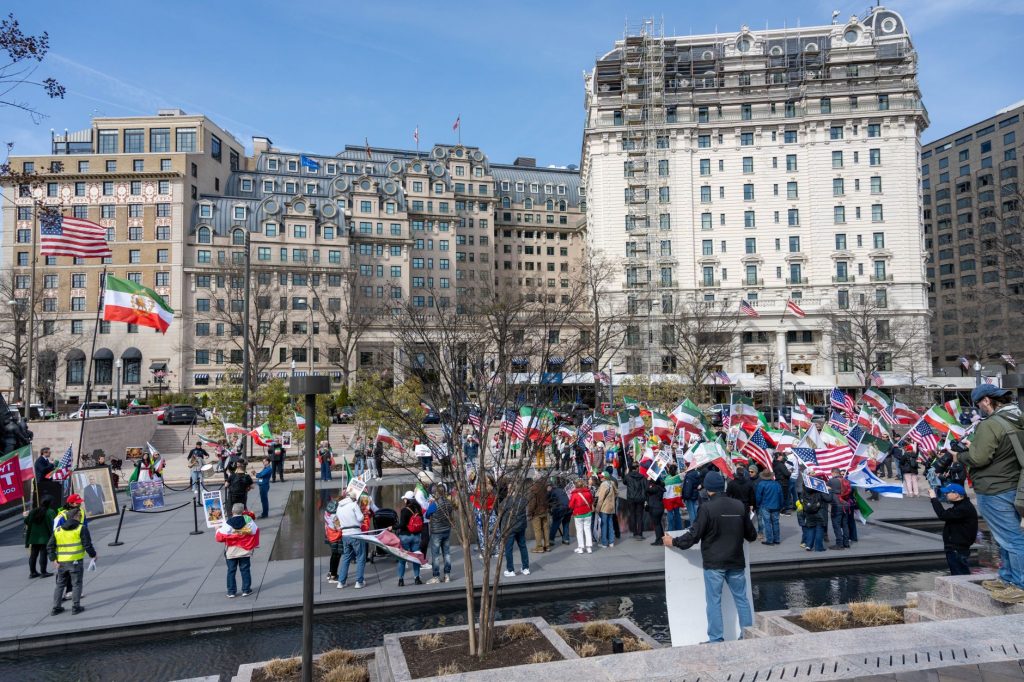
Are you wondering what’s brewing between the US and Iran? The relationship between these two nations has been tense for quite some time now, and the latest development has left many questioning what’s next. US President Trump has issued a stern warning to Iran, stating that their power plants and bridges will be destroyed if they don’t meet his latest deadline to agree to a deal. But what exactly is this deal, and why is it so crucial for both countries?
To understand the context, let’s take a step back and look at the history of US-Iran relations. The two countries have been at odds for decades, with the US imposing sanctions on Iran and accusing them of supporting terrorism. However, in recent years, there have been efforts to ease tensions and negotiate a deal that would benefit both nations. The current deal in question is related to Iran’s nuclear program, which has been a major point of contention between the two countries.
What’s at Stake?
The US has been pushing Iran to limit its nuclear program and allow for international inspections to ensure that they are not developing nuclear weapons. Iran, on the other hand, has been resisting these demands, citing their right to develop nuclear energy for peaceful purposes. The deadline set by President Trump is for Iran to agree to these terms and allow for inspections to take place. If they fail to do so, the US has threatened to take drastic action, including destroying their power plants and bridges.
This warning has sent shockwaves around the world, with many countries condemning the US for their aggressive stance. The European Union, in particular, has been critical of the US, stating that their actions are unlikely to achieve the desired outcome and may instead lead to further escalation. The EU has been working closely with Iran to try and find a peaceful solution to the crisis, and they have urged the US to reconsider their approach.
Why is this Deal so Important?
The deal between the US and Iran is crucial for several reasons. Firstly, it has the potential to prevent a nuclear arms race in the Middle East, which would have far-reaching consequences for the entire region. Secondly, it could help to reduce tensions between the US and Iran, which have been high for decades. Finally, it could also have a positive impact on the global economy, as a deal would likely lead to the lifting of sanctions on Iran, allowing them to re-engage with the international community.
So, what happens next? The ball is now in Iran’s court, and they must decide whether to agree to the US demands or risk facing the consequences. The international community is watching with bated breath, hoping that a peaceful solution can be found. The US has made it clear that they are willing to negotiate, but they will not back down on their demands. Iran, on the other hand, is facing intense pressure from their own people, who are tired of the economic sanctions and want to see an end to the crisis.
What does this Mean for India?
So, what does this mean for India? As a major player in the region, India has a significant stake in the outcome of this crisis. India has traditionally enjoyed good relations with Iran, and they have been working closely together on several projects, including the development of the Chabahar port. However, India also has close ties with the US, and they have been under pressure to reduce their dependence on Iranian oil. The current crisis has put India in a difficult position, and they must carefully navigate their relationships with both countries to avoid getting caught in the middle.
In conclusion, the situation between the US and Iran is complex and tense, with both countries refusing to back down. The warning issued by President Trump has raised the stakes, and the international community is waiting with bated breath to see what happens next. As the deadline approaches, all eyes will be on Iran, waiting to see if they will agree to the US demands or risk facing the consequences. One thing is certain, however – the outcome of this crisis will have far-reaching consequences for the entire region, and India must be careful to protect its own interests.