
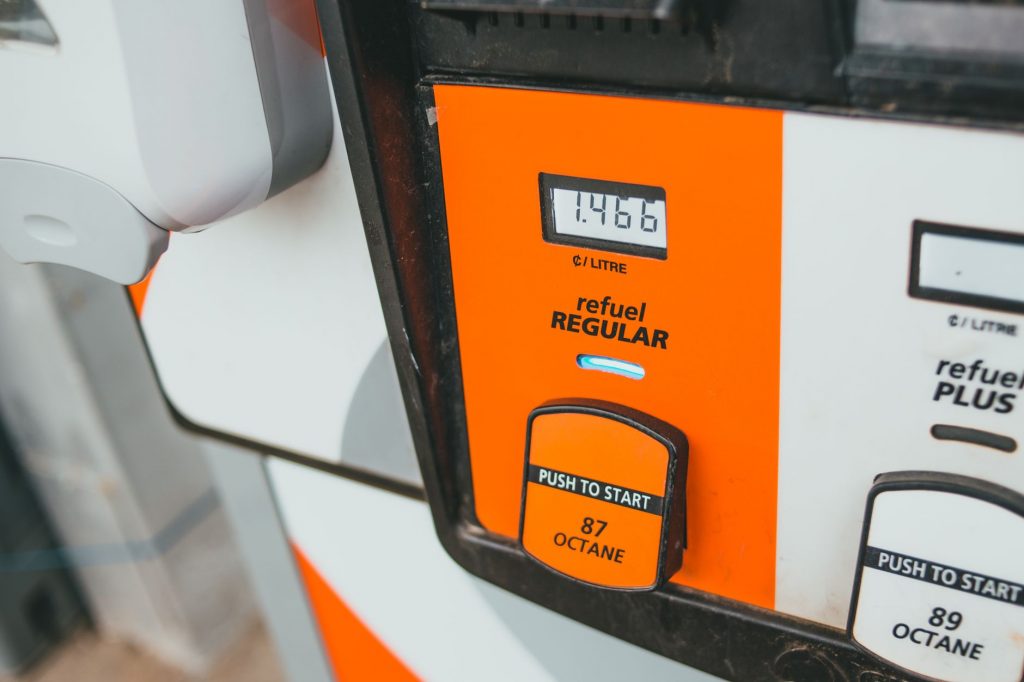
Are we facing a global energy crisis? The UK’s petrol prices have reached a 40-year high, leaving many wondering if this is a temporary spike or a long-term trend.
The UK’s petrol prices have hit a staggering £1.81 per litre, marking the highest level since the Iran-Iraq war in 1980. This sudden increase has left drivers and policymakers scrambling to understand the reasons behind it.
Global Supply Chain Disruptions
The global supply chain has been severely affected by the ongoing Ukraine-Russia conflict, which has led to a significant reduction in the supply of oil and petroleum products. This, coupled with the COVID-19 pandemic, has resulted in a shortage of refining capacity, leading to higher prices.
Analysts point out that the UK’s reliance on imported oil and petroleum products makes it particularly vulnerable to supply chain disruptions. The country’s oil refineries have reduced their production capacity, leading to a shortage of fuel for drivers.
Meanwhile, the UK’s economic recovery from the pandemic has also led to a surge in demand for oil and petroleum products, further contributing to the price hike. The country’s fuel duty, which has remained unchanged since 2011, has also failed to keep pace with inflation, adding to the woes of drivers.
Rise of Electric Vehicles
While the UK’s petrol prices continue to soar, the country is also witnessing a growing trend towards electric vehicles (EVs). As more and more drivers opt for eco-friendly options, the demand for petrol and diesel is expected to decline, leading to a decrease in prices.
However, the transition to EVs is a complex process, requiring significant investment in infrastructure and incentives for consumers. The UK government has announced plans to ban the sale of new petrol and diesel cars by 2030, a move aimed at reducing carbon emissions and promoting sustainable transport.
While the shift towards EVs is expected to benefit the environment and the economy in the long run, it also poses significant challenges for drivers who rely on petrol and diesel for their daily commute. With prices expected to remain high in the short term, drivers are advised to explore alternative modes of transport, such as public transport or cycling.
What’s Next for UK Petrol Prices?
So, what’s next for UK petrol prices? Analysts predict that prices will continue to fluctuate in the short term, influenced by global events and supply chain disruptions. However, in the long term, the UK’s transition to EVs and sustainable transport is expected to lead to a decline in petrol prices.
The UK government has announced plans to invest in renewable energy and sustainable transport, which is expected to reduce the country’s reliance on fossil fuels. However, the pace of this transition will depend on various factors, including technological advancements, government incentives, and consumer adoption.
As the UK grapples with the challenges of high petrol prices, one thing is clear: the future of transport lies in sustainable and eco-friendly options. Whether it’s electric vehicles, public transport, or cycling, the shift towards a greener future is already underway.